
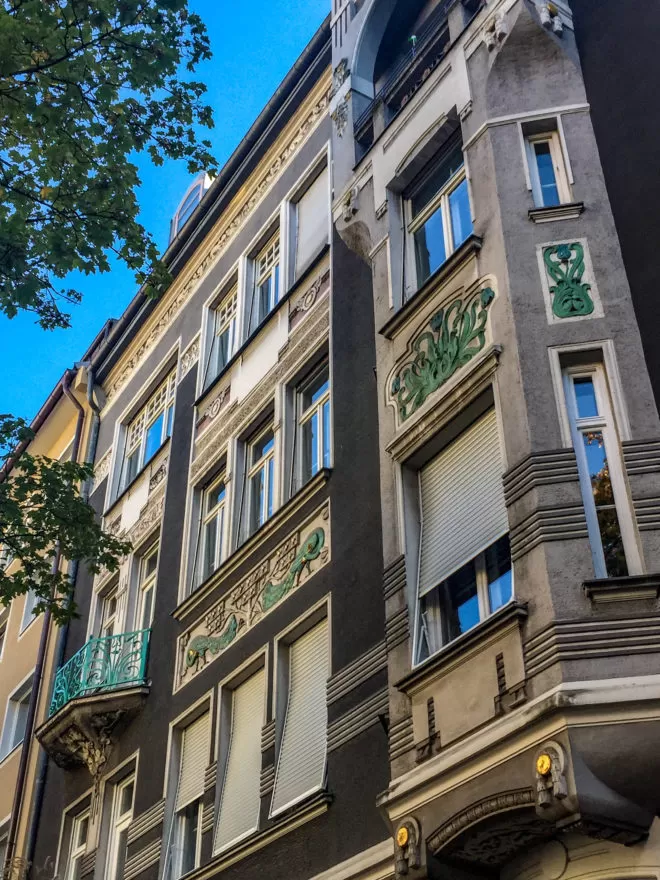
Apartment building, 1903. Architect: Ferenc Nyilas. Photo: Daniela Christmann
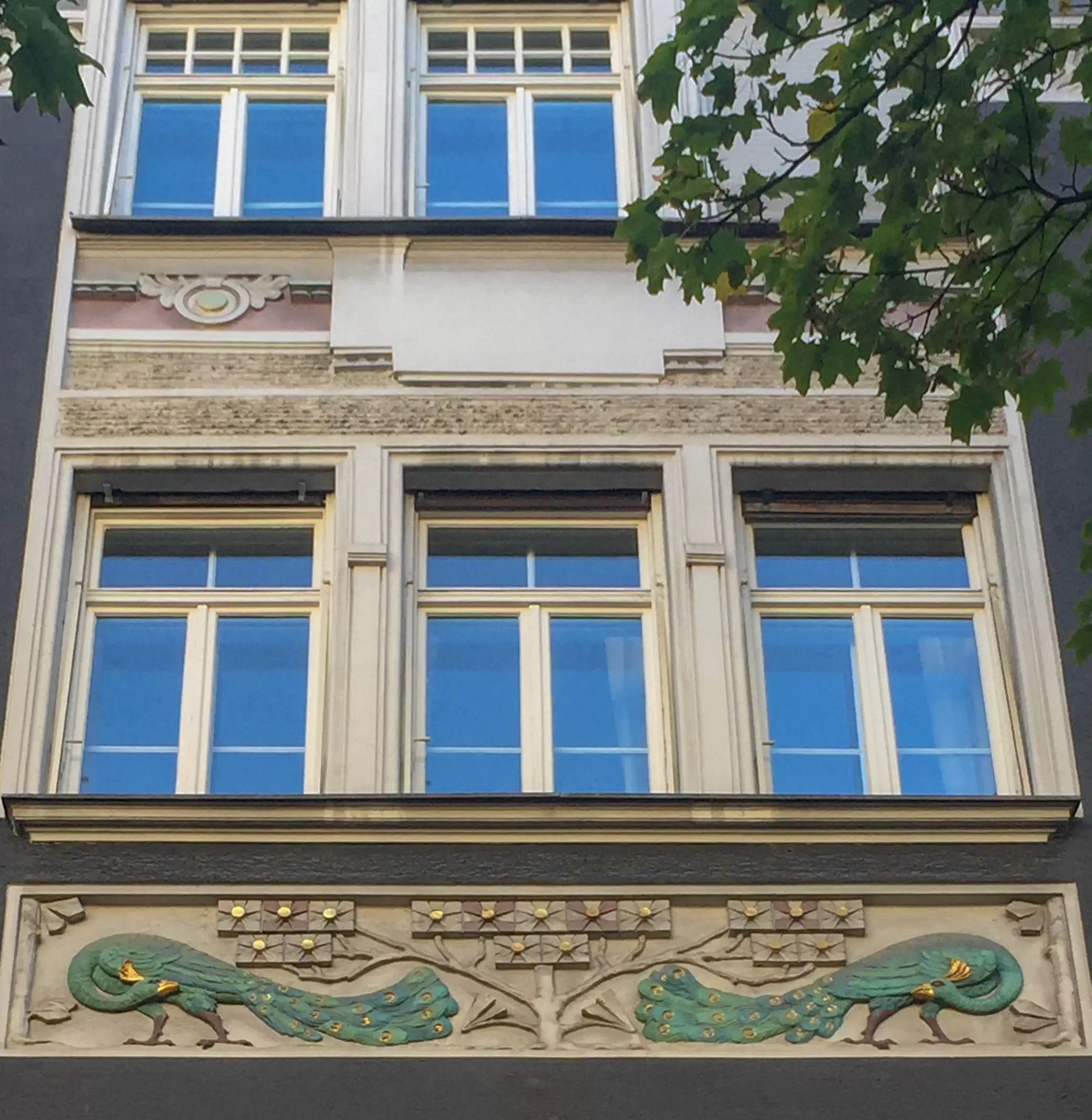
Apartment building, 1903. Architect: Ferenc Nyilas. Photo: Daniela Christmann
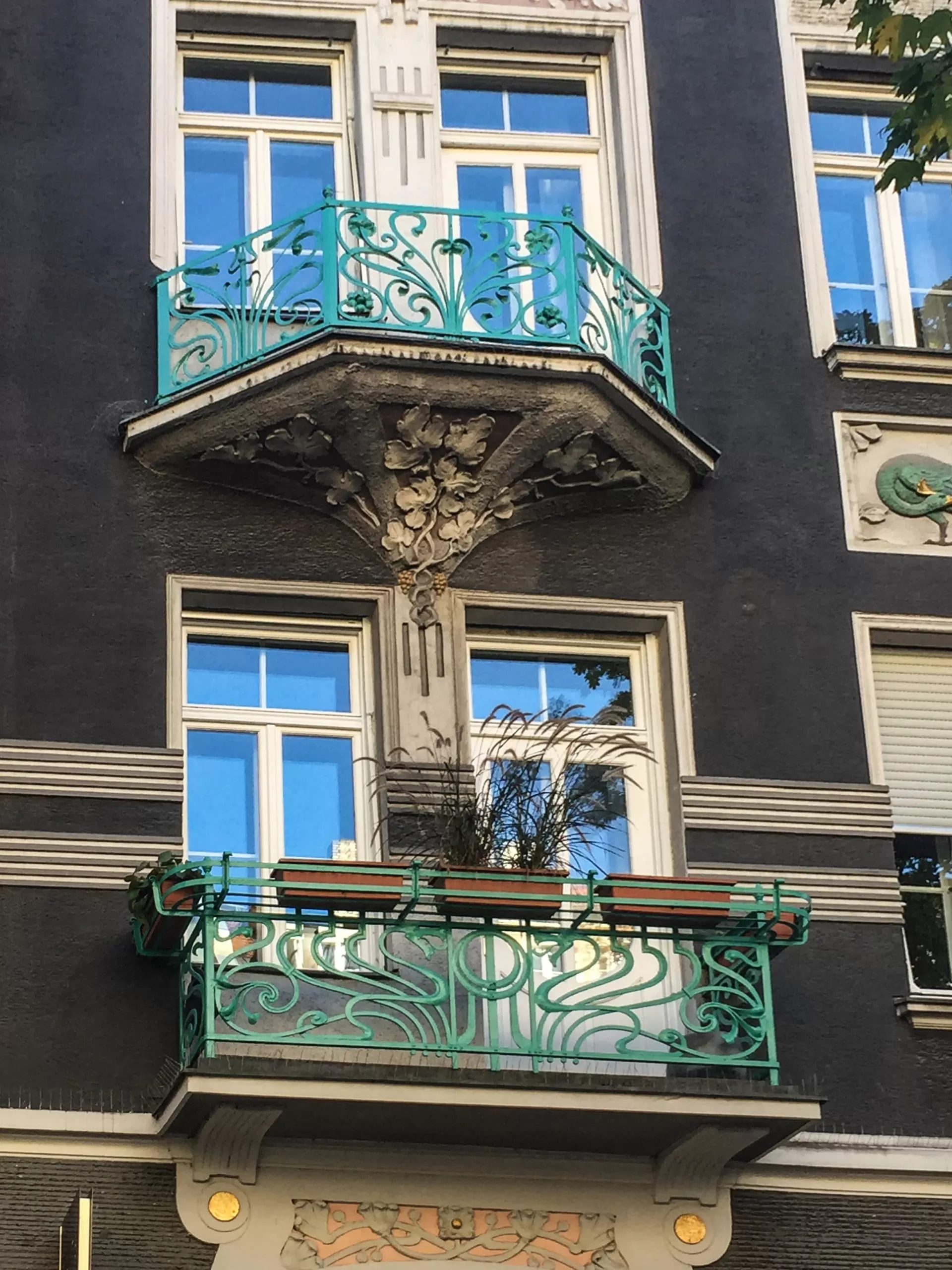
Apartment building, 1903. Architect: Ferenc Nyilas. Photo: Daniela Christmann
1903
Architect: Ferenc Nyilas
Franz-Joseph-Straße 19, Friedrichstraße 18, Munich, Germany
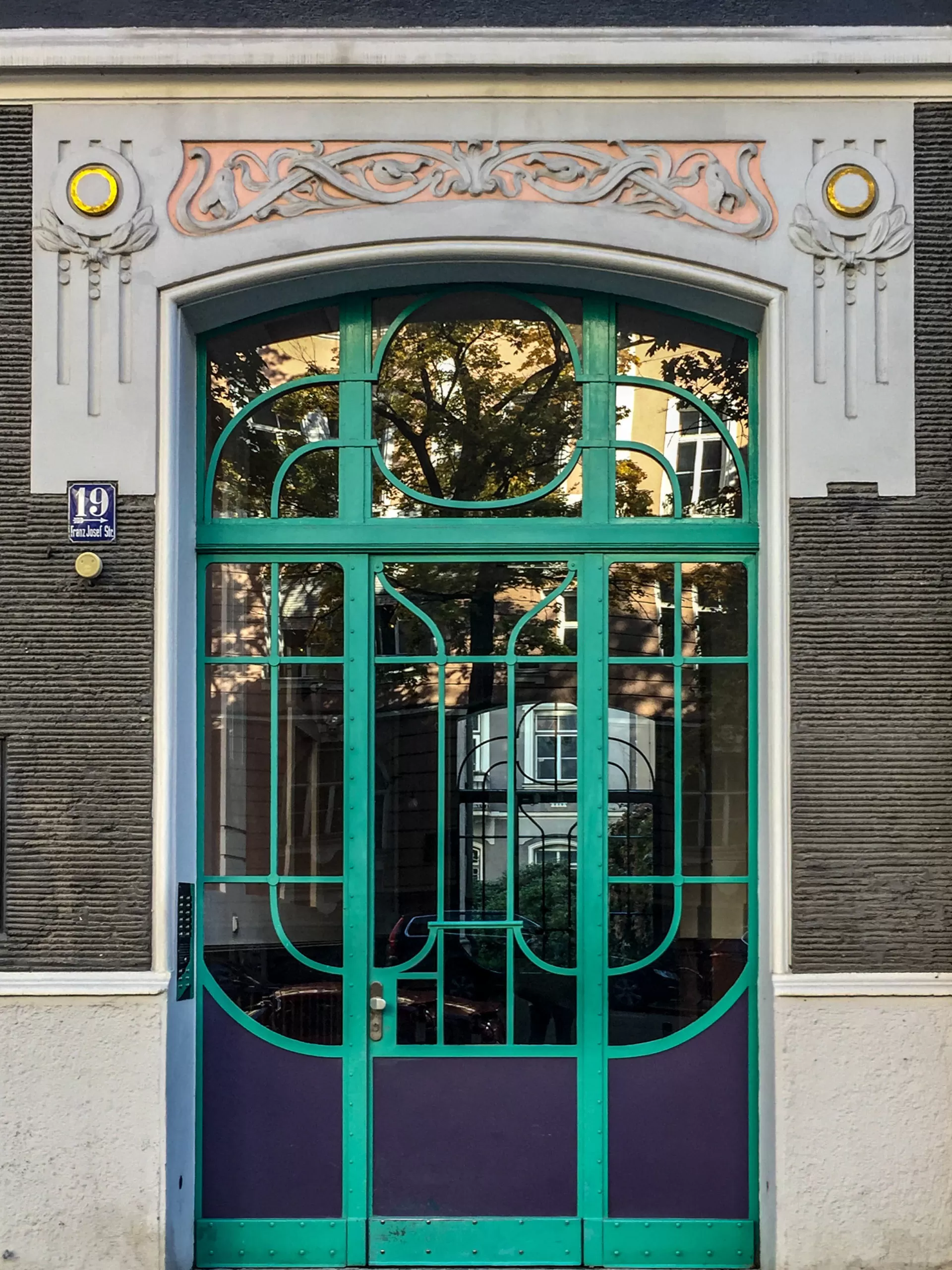
The richly stuccoed, Art Nouveau-style apartment building was completed in 1903 according to plans by Hungarian architect Ferenc (Franz) Nyilas.
Facade
The front and rear buildings facing Leopold Park in Munich-Schwabing have stucco peacock motifs, richly decorated moldings, and other ornamental elements.
Interior
Inside, the original staircase banisters, apartment doors, stuccoed ceilings, and tiled stoves have been preserved.
Schwabing
In 1890, after it was incorporated, a building boom began in Schwabing. Many new apartment buildings were constructed, and the studio apartments on the top floors were ideal for artists.
The Academy of Art was nearby, and many painting schools were located in Maxvorstadt, a neighboring neighborhood south of Schwabing.
Writers and poets
Literary figures and poets, such as Frank Wedekind, Lion Feuchtwanger, Erich Mühsam, Stefan George, and Oskar Maria Graf, left their mark on the neighborhood. Additionally, the artists’ association Der Blaue Reiter included painters such as Wassily Kandinsky, Franz Marc, Paul Klee, Gabriele Münter, and Marianne von Werefkin.
Simplicissimus and Jugend
In 1896, two influential magazines were launched – Simplicissimus and Jugend, which gave its name to the art movement of Jugendstil.
Wahnmoching
Countess Franziska zu Reventlow threw in the towel with her aristocratic family and led an unconventional life in Munich as the Countess of Schwabing. She created a literary monument to the artistic scene in her novel, Herr Dames Aufzeichnungen oder Begebenheiten aus einem merkwürdigen Stadtteil.
She coined the nickname “Wahnmoching” for Schwabing, capturing both its village-like and idealistic character.
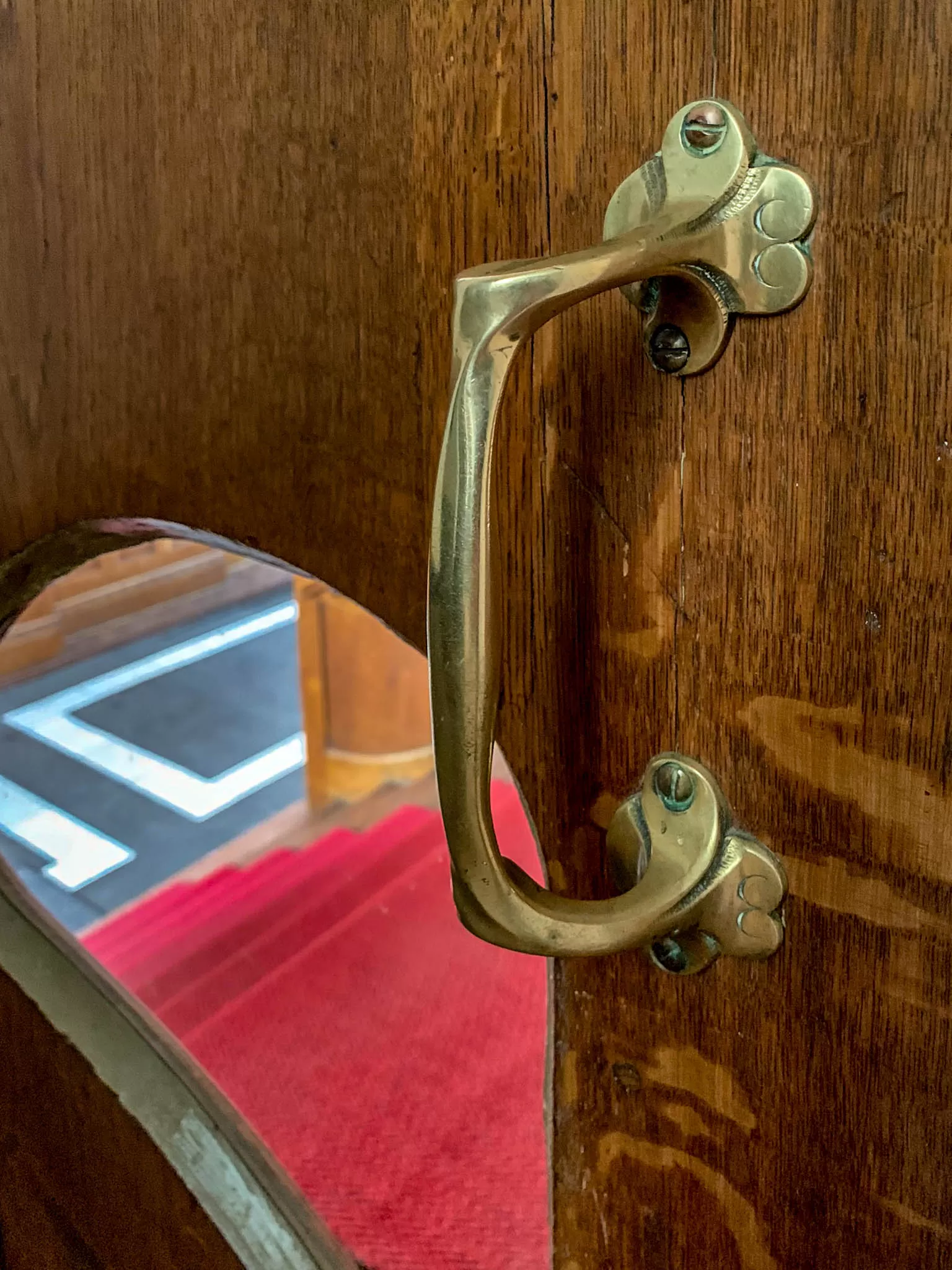
Apartment building, 1903. Architect: Ferenc Nyilas. Photo: Daniela Christmann
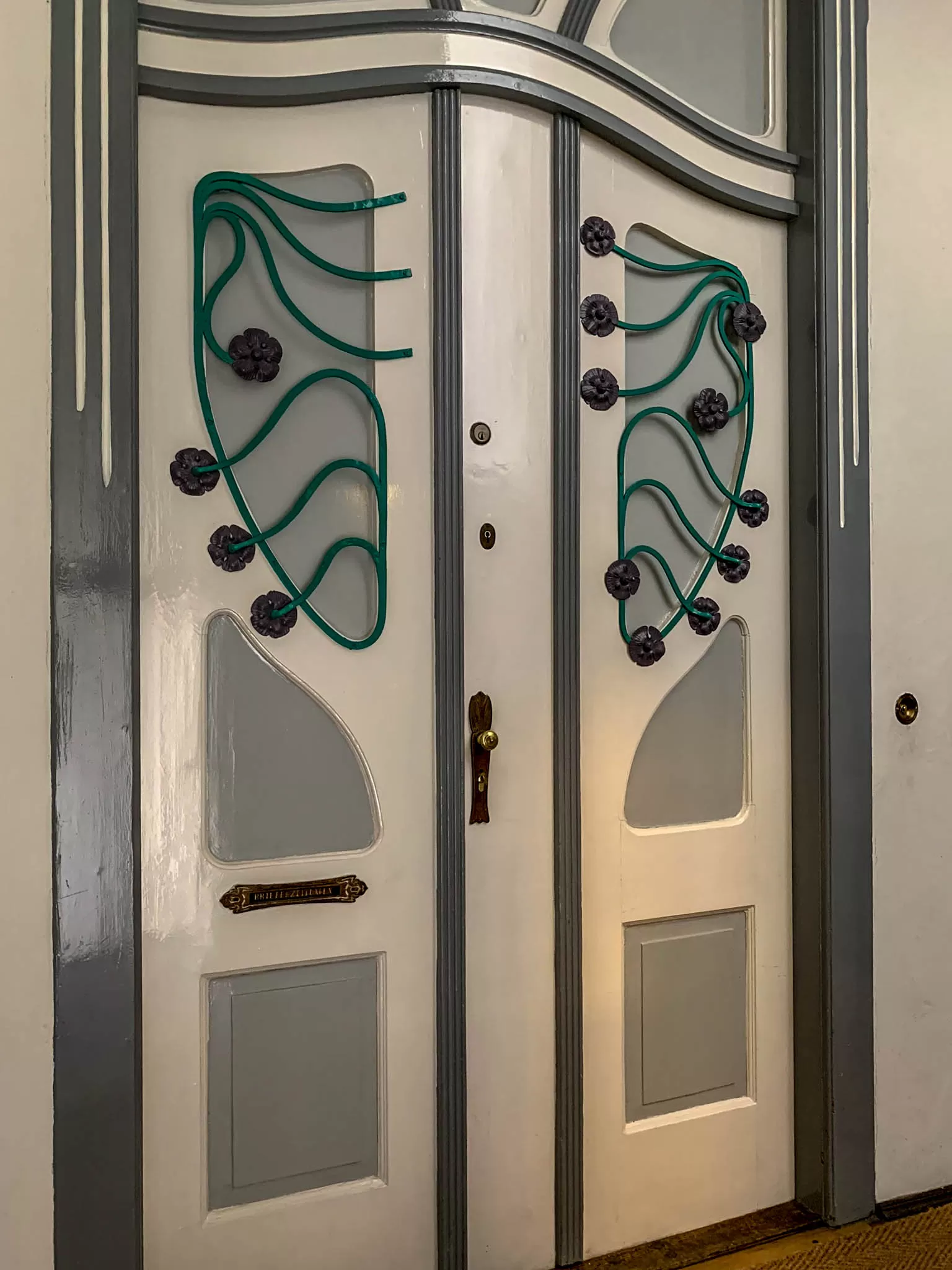
Apartment building, 1903. Architect: Ferenc Nyilas. Photo: Daniela Christmann
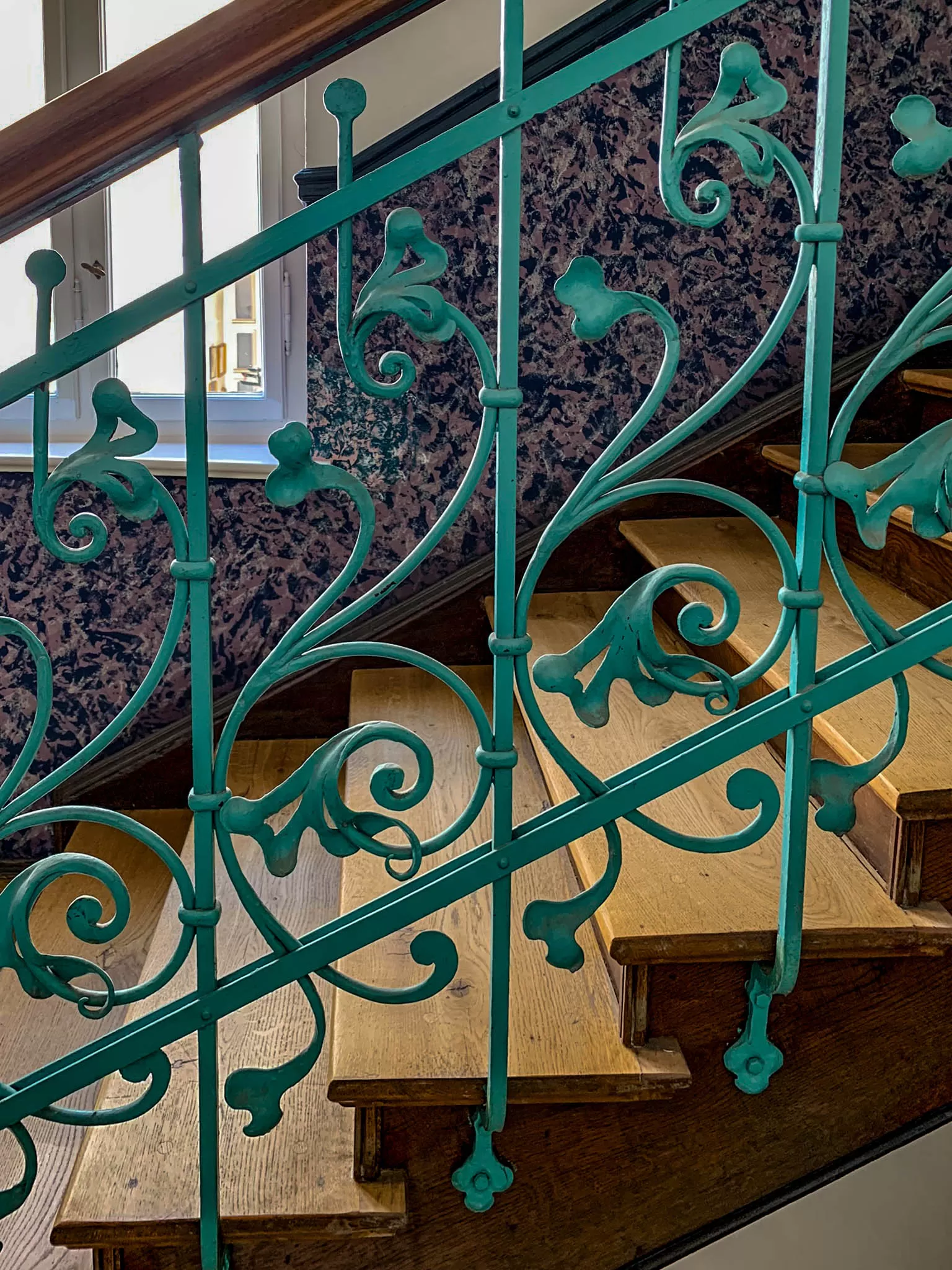
Apartment building, 1903. Architect: Ferenc Nyilas. Photo: Daniela Christmann
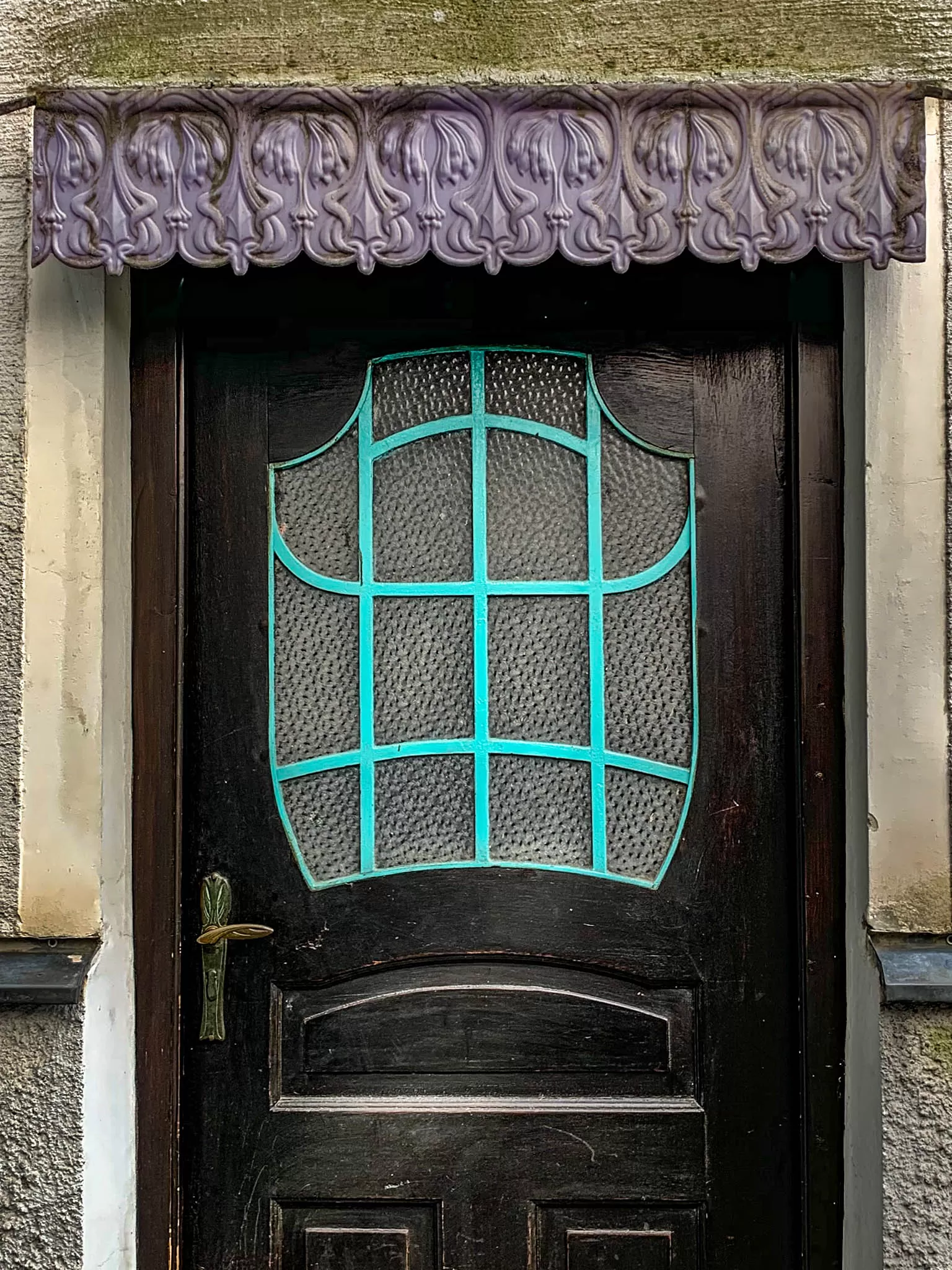
Apartment building, 1903. Architect: Ferenc Nyilas. Photo: Daniela Christmann

Apartment building, 1903. Architect: Ferenc Nyilas. Photo: Daniela Christmann
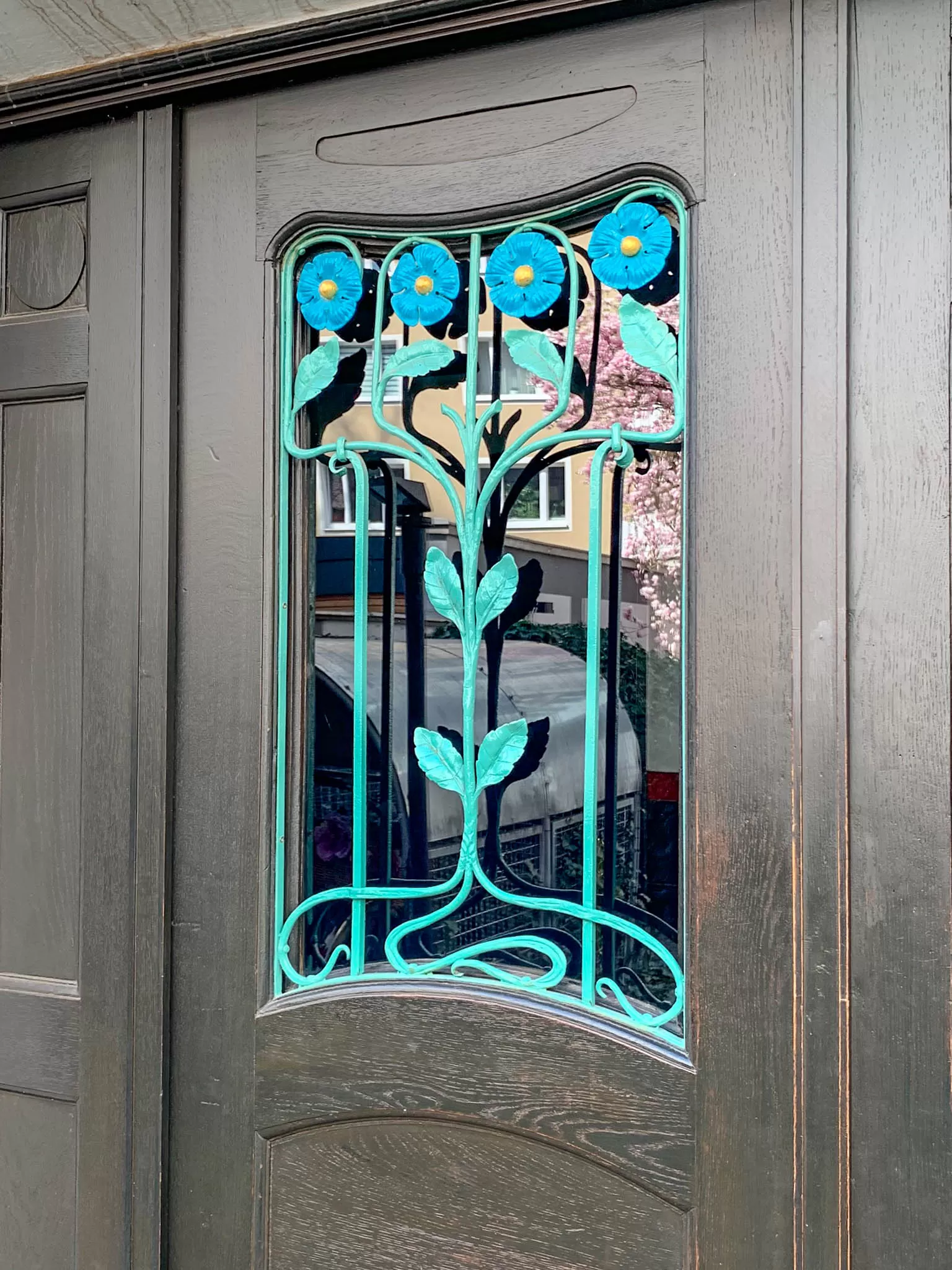
Apartment building, 1903. Architect: Ferenc Nyilas. Photo: Daniela Christmann
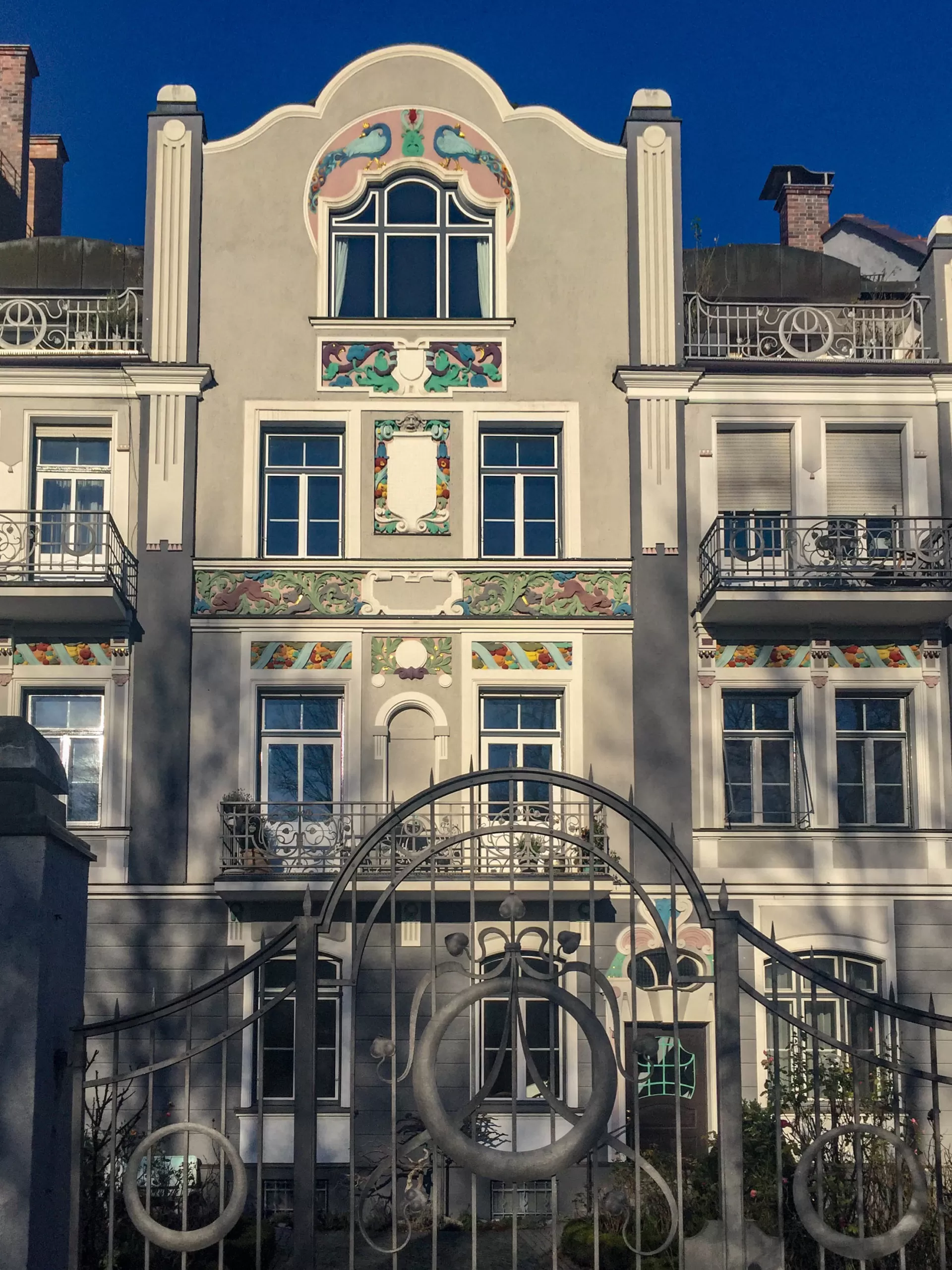
Apartment building, 1903. Architect: Ferenc Nyilas. Photo: Daniela Christmann