
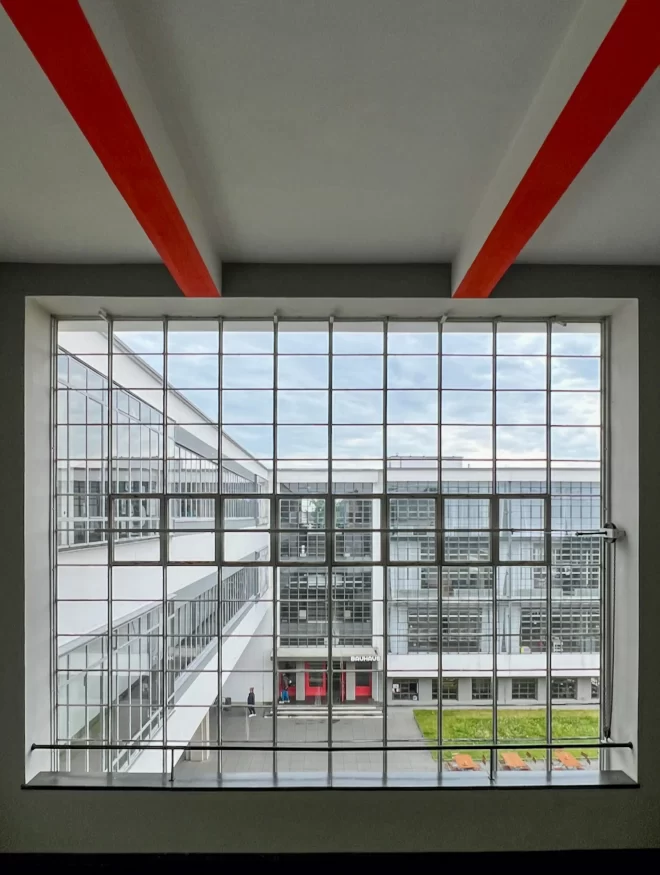
In Cooperation with the State of Saxony-Anhalt and the City Marketing Association of Dessau-Roßlau
In 1926, the Bauhaus school moved from Weimar to Dessau, a booming industrial city known for its innovation and entrepreneurial spirit. There, the college experienced its most successful and productive period.
Centennial Exhibitions
For the 100th anniversary of the Bauhaus in Dessau, the Bauhaus Dessau Foundation is celebrating under the theme ‘To the Core’.
The focus is on materials from the modernist and contemporary eras.
The three-part exhibition ‘Glass, Concrete, Metal’ explores the materials used in Bauhaus buildings.
The Bauhaus Museum Dessau exhibition, ‘Soda, Lenses, Fluff’, by artist Antje Schiffers and her partner Thomas Sprenger, revolves around the origin, history, and production of building materials and construction methods.
The exhibition ‘Algae, Rubble, CO2’ at the former Zeeck Department Store addresses social and ecological responsibility and highlights new materials.
The complete anniversary program, featuring additional exhibitions, a film series, open-air presentations, and events, is available on the foundation’s website.
Exhibition: ‘Glass, Concrete, Metal’
Bauhaus Building in Dessau (Gropiusallee 38) from March 28, 2026 to January 10, 2027
The Bauhaus Building in Dessau showcases the material innovations of the 1920s. Modernity, progress, and Gropius’s credo, ‘Art and Technology—A New Unity’, are evident throughout the building.
In addition to glass, Gropius identified concrete and iron as new industrial materials that would replace traditional natural materials.
Glass symbolizes lightness, transparency, spatial penetration, cleanliness, and hygiene. The exhibition includes a section dedicated to glass used for laboratory equipment and household vessels, including the Sintrax coffee maker and Durax cookware.
The original panoramic panes in the Bauhaus building’s vestibule were made of high-quality crystal mirror glass that had been rolled, ground, and polished. Measuring 3.20 meters by 4.15 meters, these windows pushed the limits of what could be produced and transported.
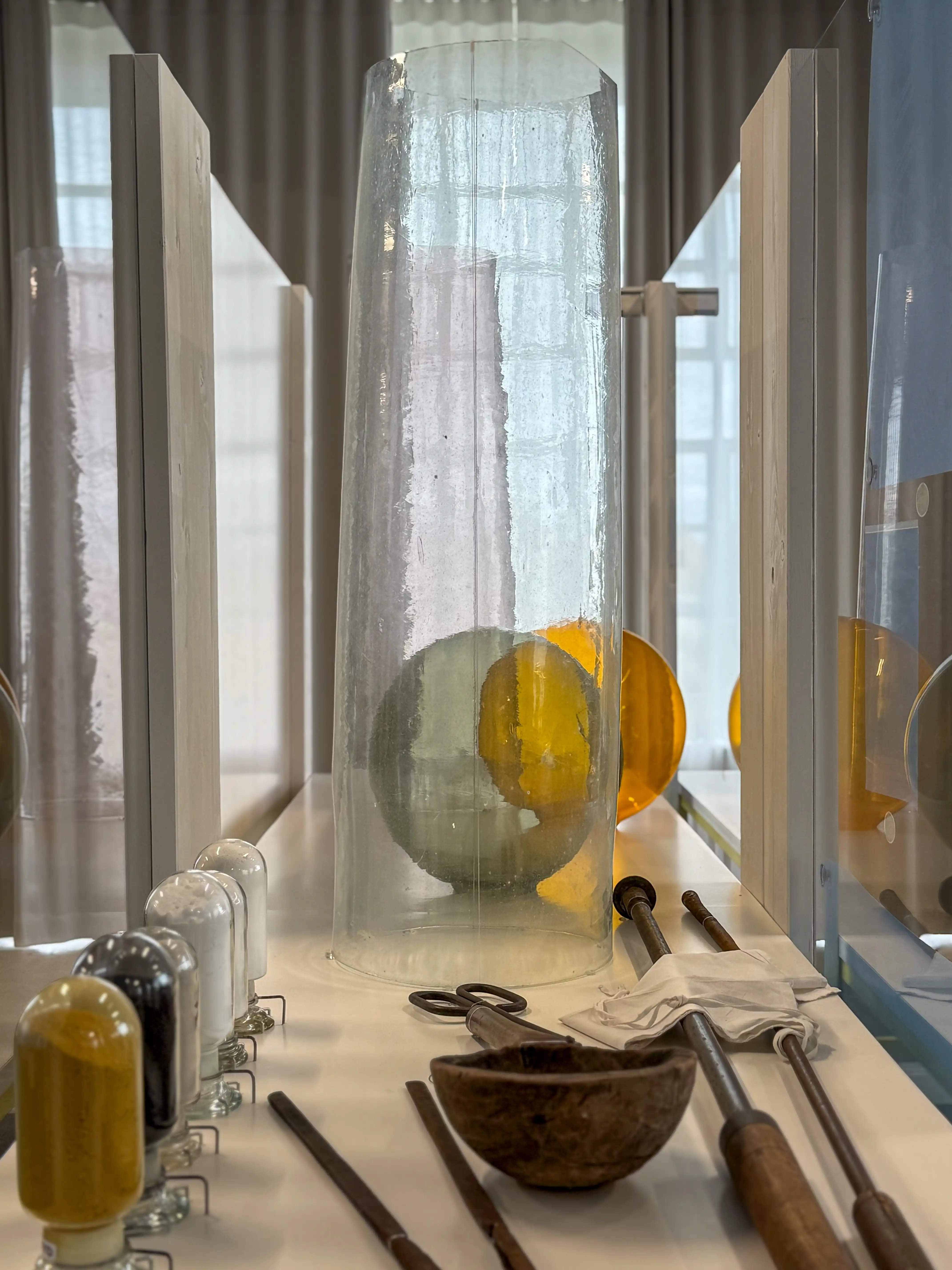
Exhibition ‘Glass’, Bauhaus Building Dessau. Photo: Daniela Christmann
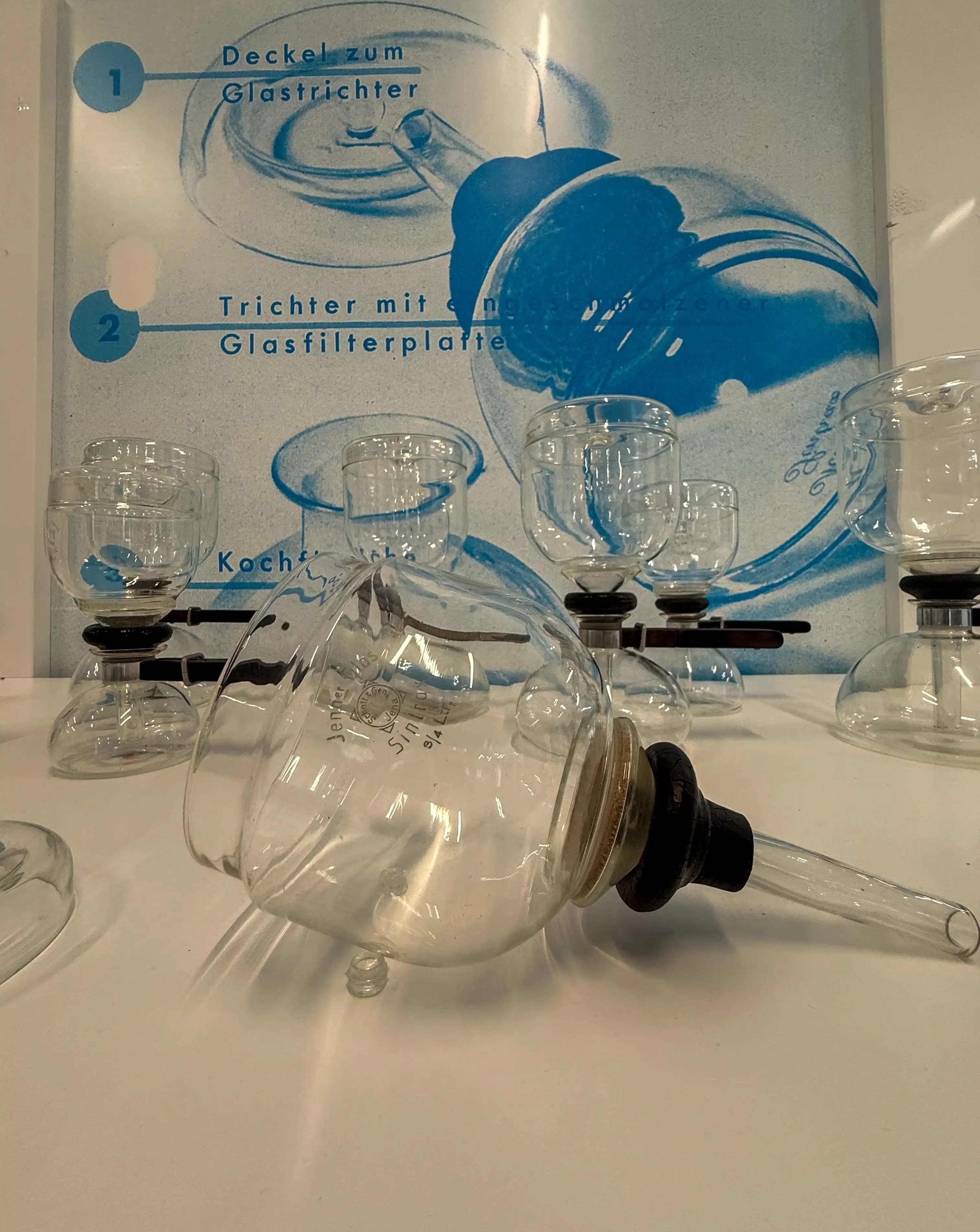
Exhibition ‘Glass’, Bauhaus Building Dessau. Photo: Daniela Christmann
Concrete is made of cement, gravel, sand, and water. When combined with a steel mesh, these materials form reinforced concrete, a composite material. The exhibition uses the Bauhaus building as an example to explain the manufacturing process, work steps, and logistics of a construction site in the 1920s.
Experiments were conducted with large prefabricated blocks made of slag and concrete. One such block replaced twelve bricks, speeding up the masonry process and reducing costs.
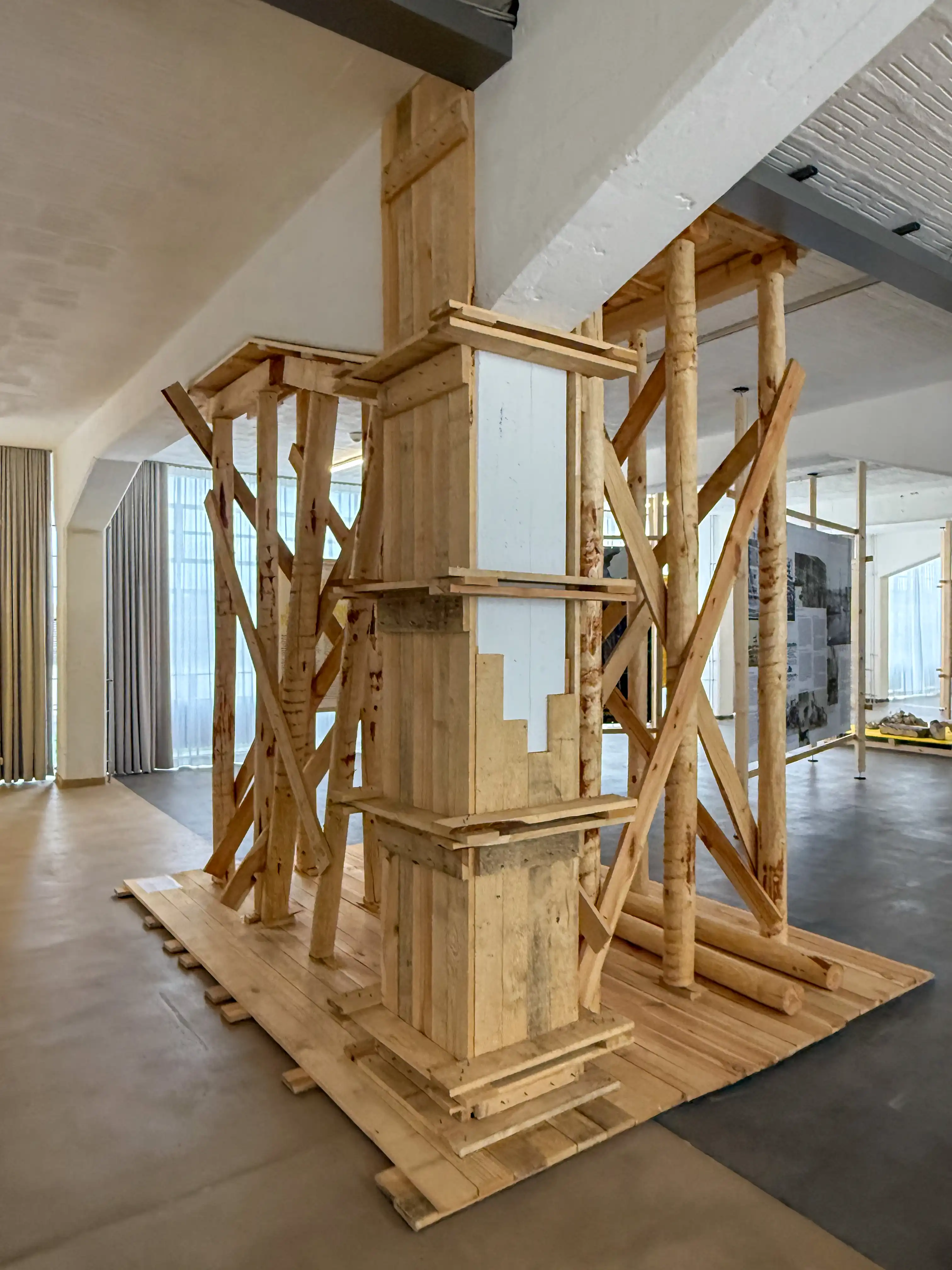
Exhibition ‘Concrete’, Bauhaus Building Dessau. Photo: Daniela Christmann
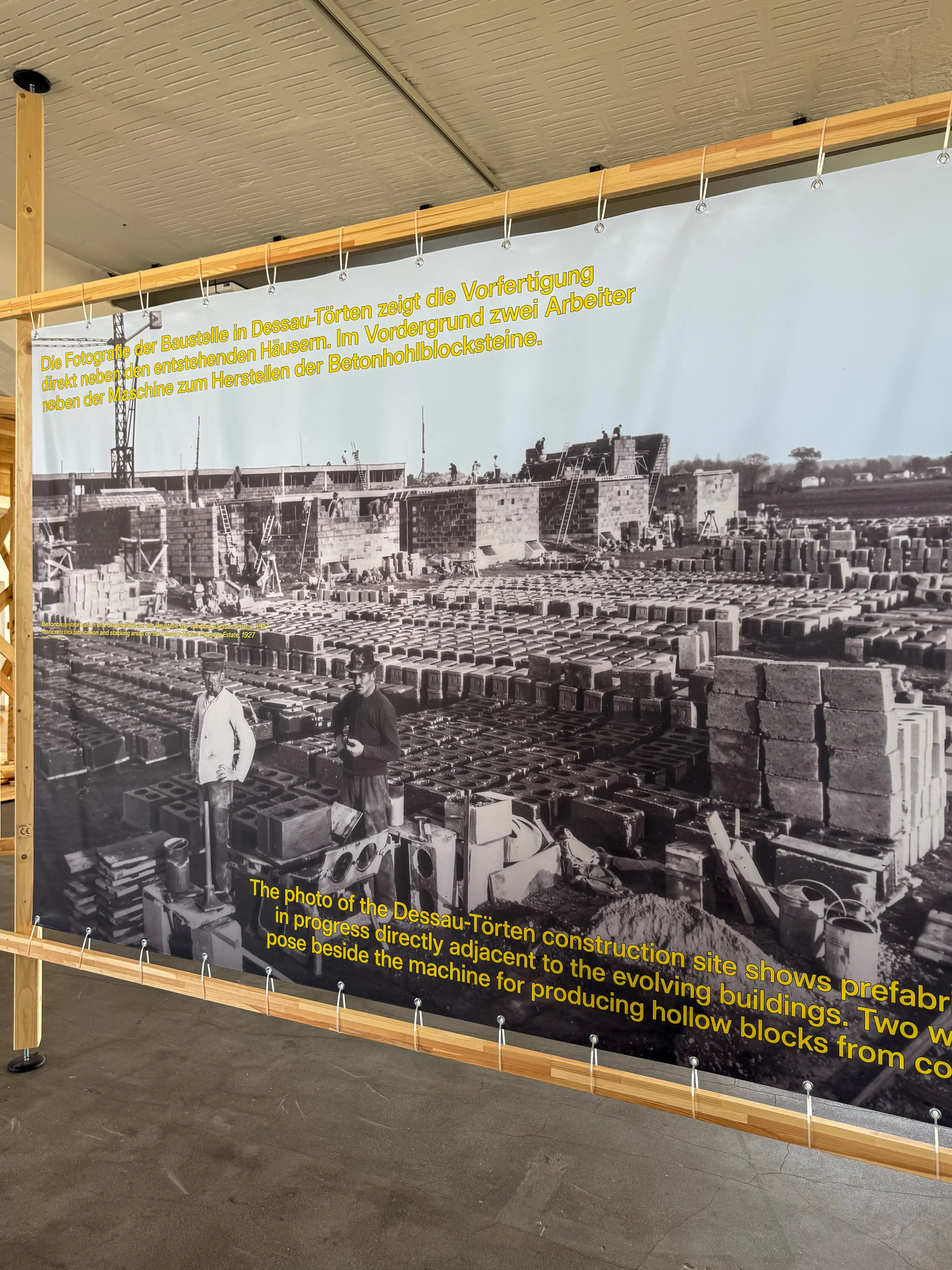
Exhibition ‘Concrete’, Bauhaus Building Dessau. Photo: Daniela Christmann
Metal was the material of choice for industrial products, lighting fixtures, and furniture designed to complement Bauhaus architecture.
In the Bauhaus building, lightweight sheet steel radiators made by the Dessau-based company Junkers & Co. hang on the walls like paintings. Alongside the iconic works of Marianne Brandt and Marcel Breuer, the exhibition features lesser-known pieces by Hin Bredendieck and Max Krajewski.
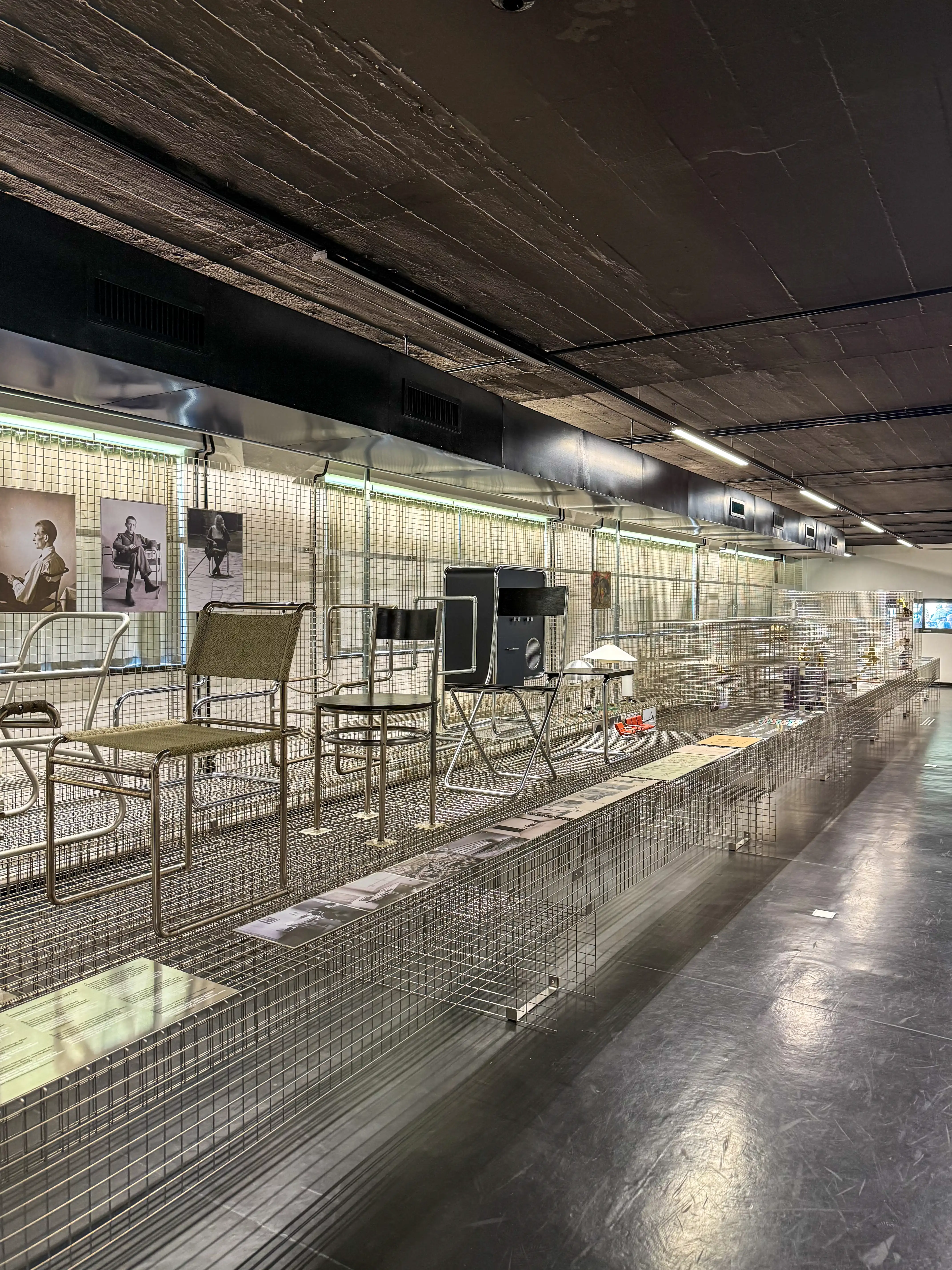
Exhibition ‘Metal’, Bauhaus Building Dessau. Photo: Daniela Christmann
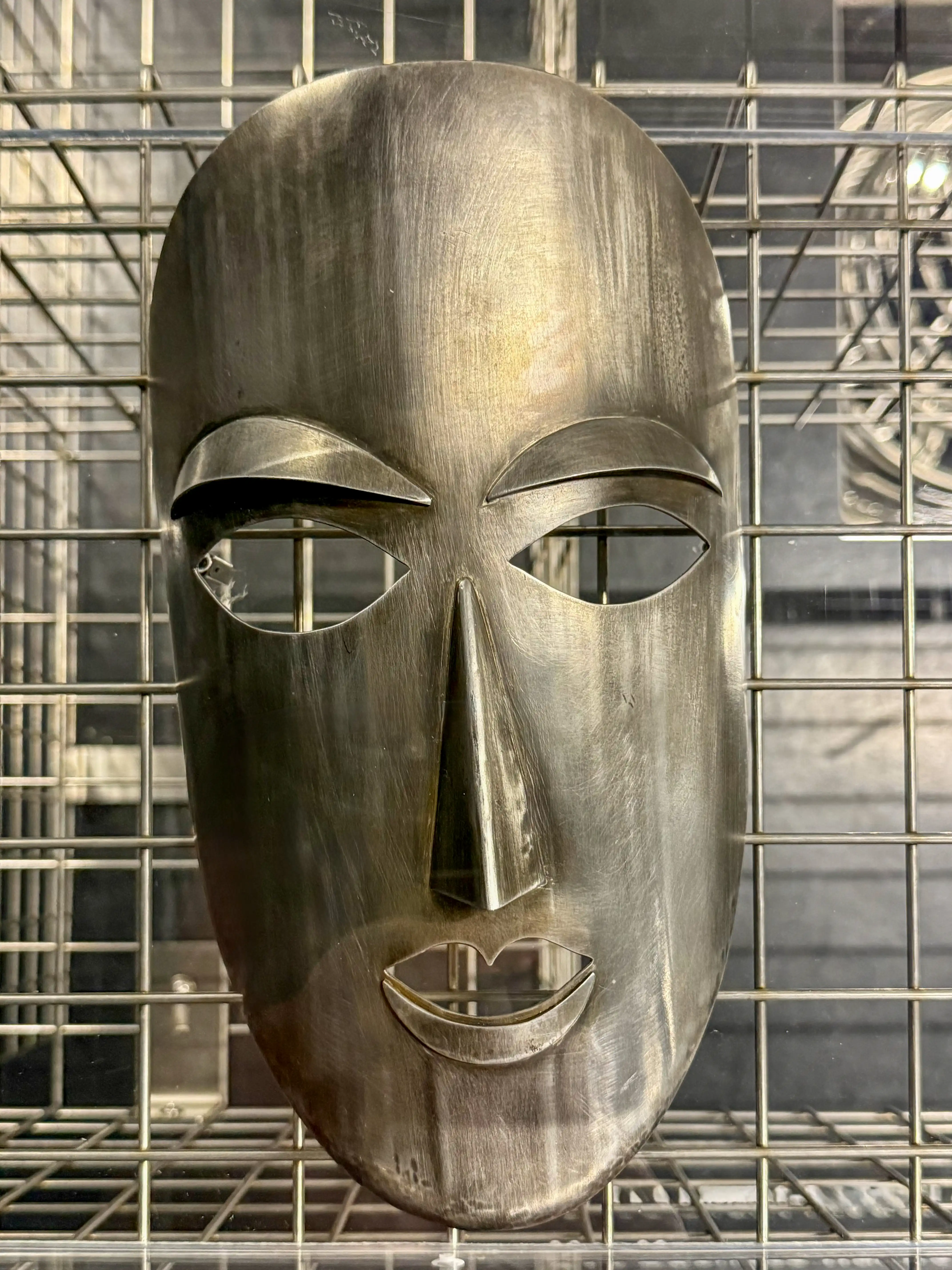
Exhibition ‘Metal’, Bauhaus Building Dessau. Photo: Daniela Christmann
Through historical photographs, tools, documents, and equipment, the three-part exhibition showcases the materials used at the Bauhaus school and its workshops’ creative approaches to them.
Exhibition: ‘Soda, Lenses, Fluff’
Bauhaus Museum Dessau, Mies-van-der-Rohe-Platz 1 from February 13 to July 12, 2026
At the invitation of the Bauhaus Foundation, artist Antje Schiffers and her partner, Thomas Sprenger, embarked on a journey to trace the origins and production of building materials.
They reached out to producers, geologists, and industrial museums, setting out to discover what has come and gone. During their travels through Saxony-Anhalt and Brandenburg, as well as Anatolia and Cuba, they toured cement plants, flat glass factories, open-pit mines, and brickworks.
They used painting and drawing as tools to engage in conversation with the producers. Large-format murals of the Karsdorf cement plant and the surrounding sand and clay landscapes outline and structure the exhibition space. Objects such as cafeteria tables from the Karsdorf cement plant and drying racks from the former Westeregeln brickworks support exhibits and texts.
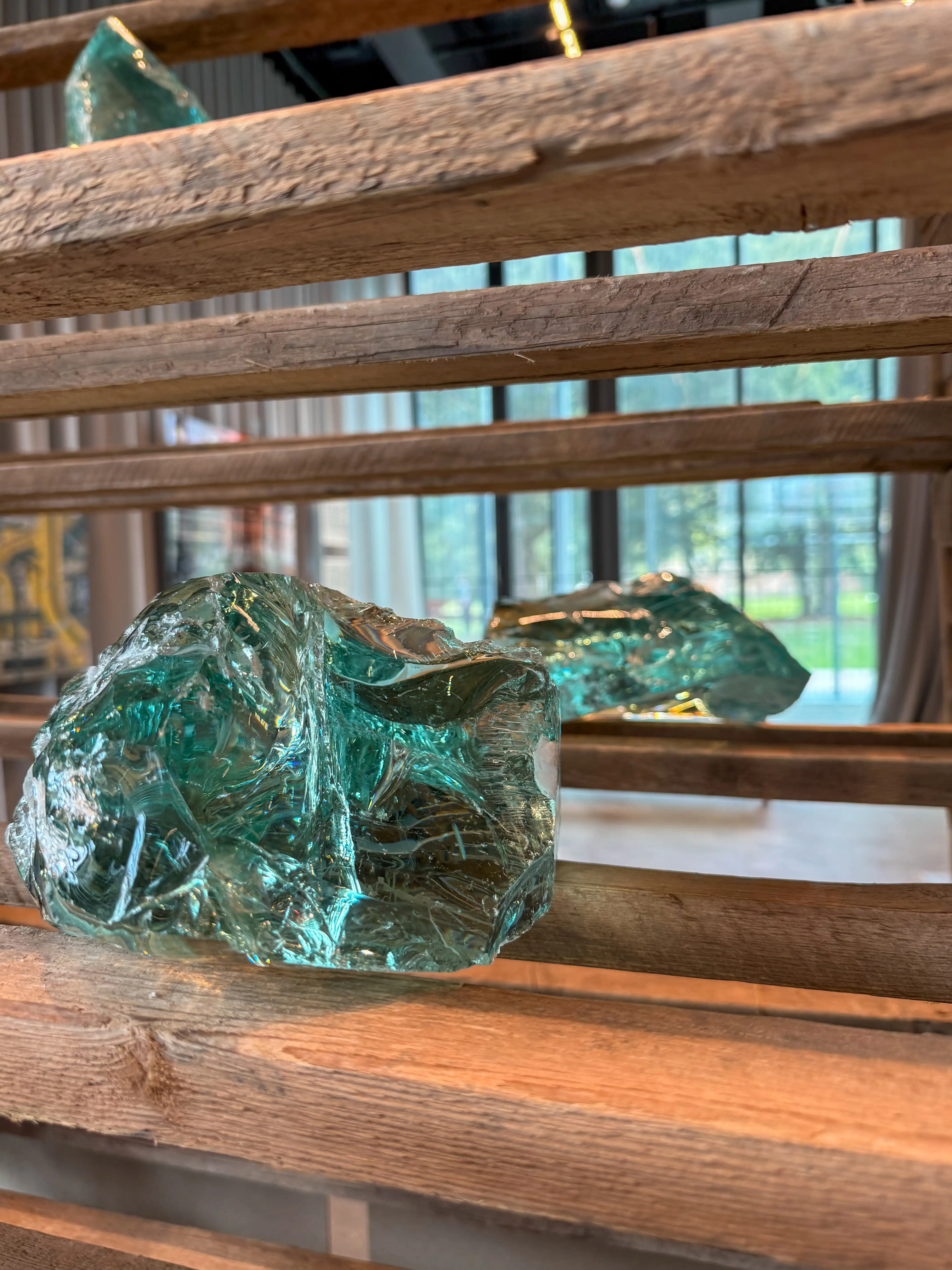
Exhibition ‘Soda I Lentils I Fluff’, Bauhaus Museum Dessau. Photo: Daniela Christmann
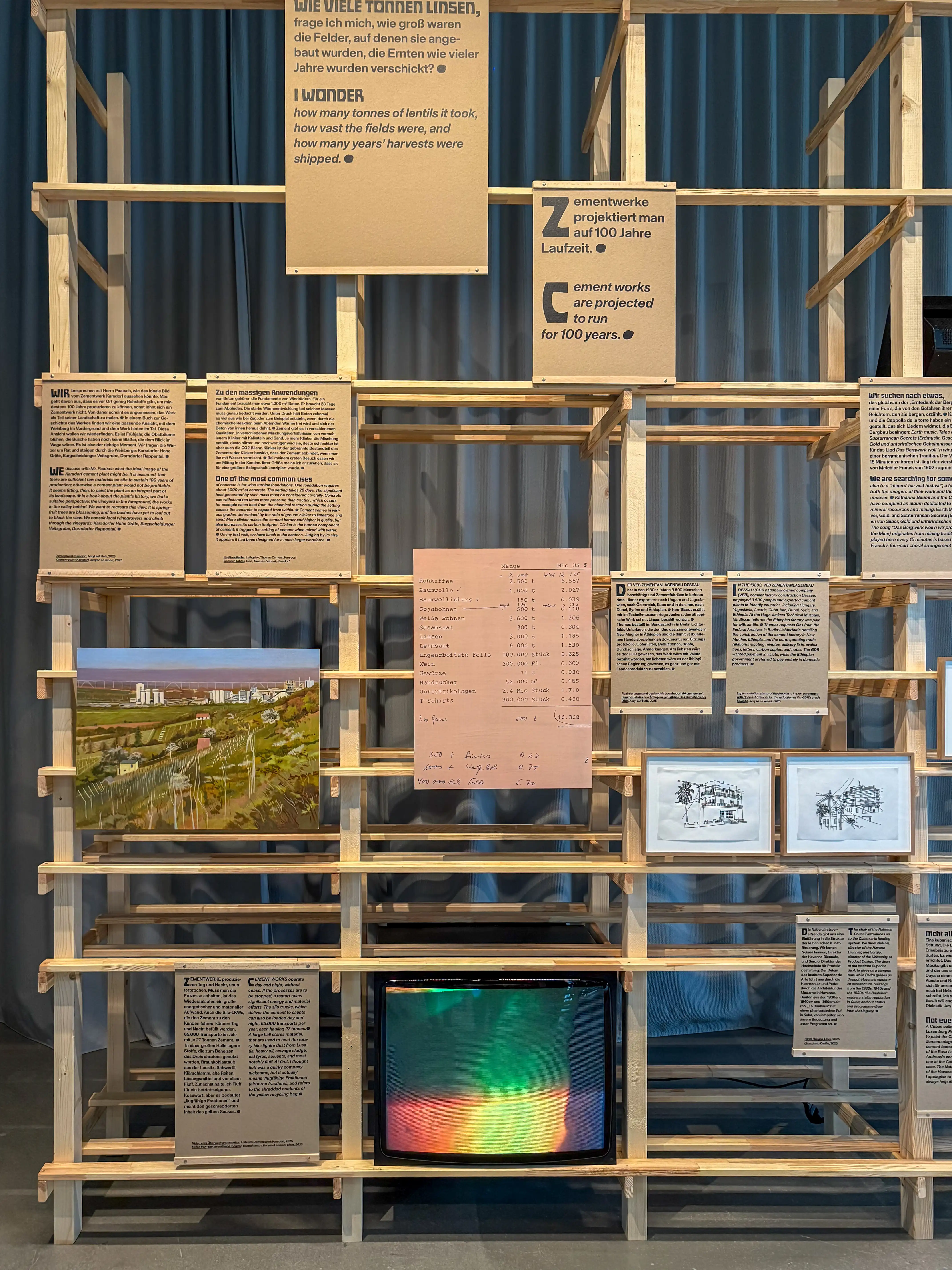
Exhibition ‘Soda I Lentils I Fluff’, Bauhaus Museum Dessau. Photo: Daniela Christmann
Exhibition: ‘Algae, Rubble, CO2’
Former Zeeck Department Store, Kavalierstraße 72, from March 28 to September 27, 2026
For decades, the blue slatted façade of the former department store bearing the word ‘Magnet’ defined the downtown Dessau cityscape.
Since the fall of the Berlin Wall, the building has stood largely empty, but it is now being carefully revitalized. The layers from the building’s construction era serve as a starting point for exploring the legacy of Modernism and its impact on the present.
On one of the floors, the Bauhaus Dessau Foundation is presenting the exhibition ‘Algae I Rubble I CO2,’ reflecting on our responsibility toward the environment and raising the question of how design and materials can contribute to social change.
The exhibition is designed as a display and functional space that showcases current developments in materials exemplified by the building’s transformation.
The department store’s transformation with a focus on resource conservation and climate neutrality is part of the exhibition. For example, the former aluminum façade is now an exhibition display, and the original PVC flooring has been repaired instead of replaced.
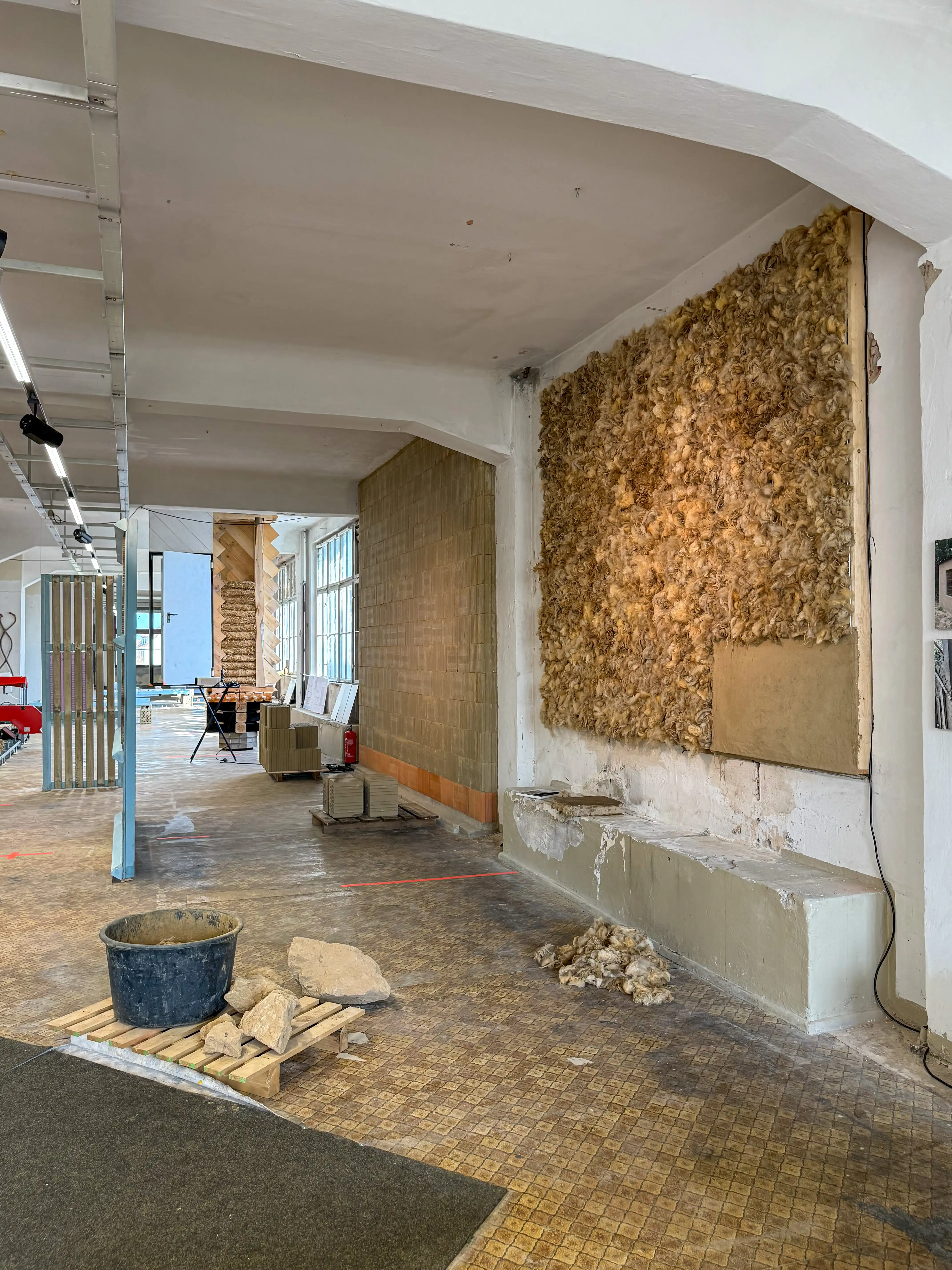
Exhibition ‘Algae I Debris I CO2’, Zeeck Department Store Dessau. Photo: Daniela Christmann
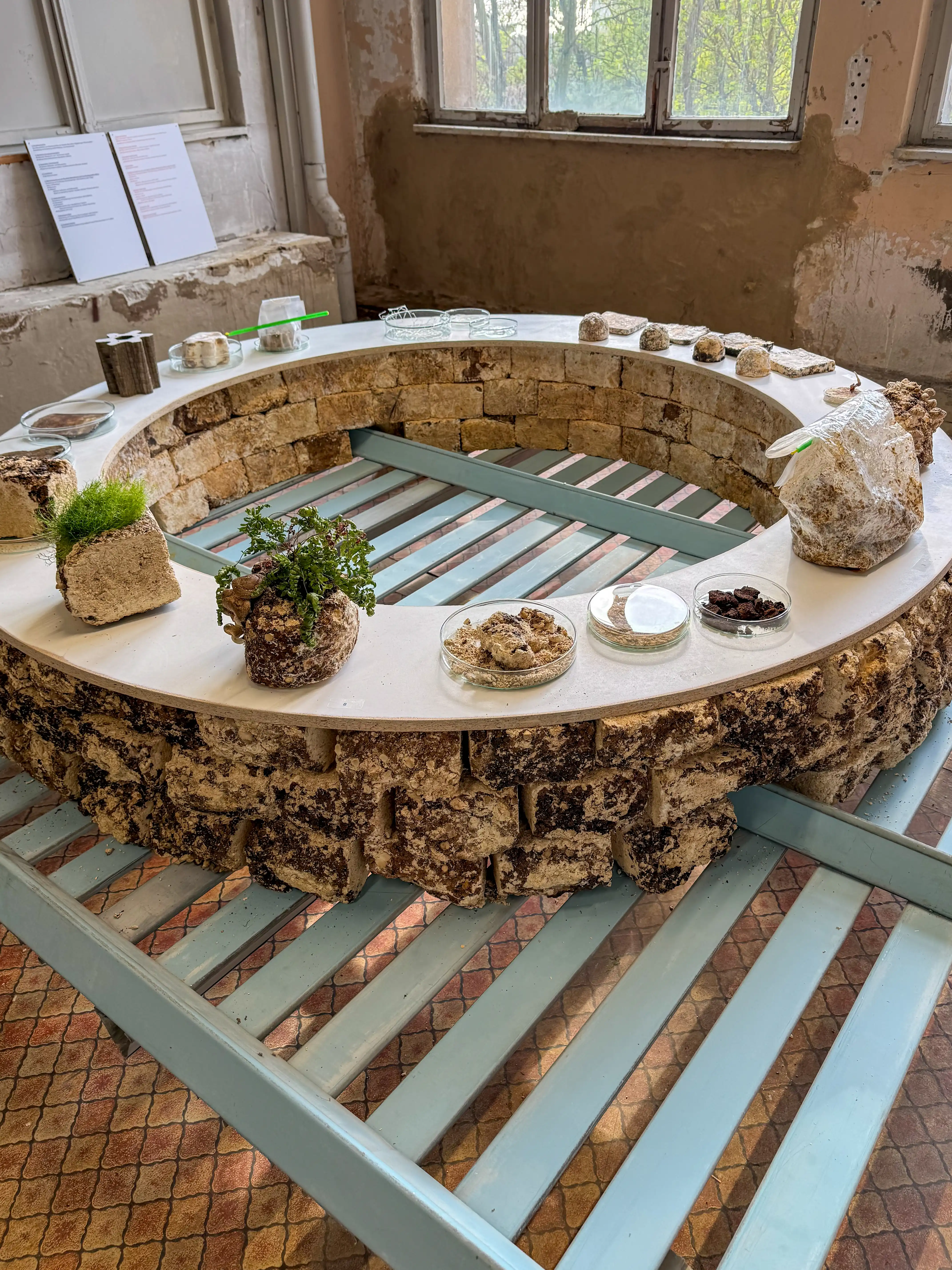
Exhibition ‘Algae I Debris I CO2’, Zeeck Department Store Dessau. Photo: Daniela Christmann
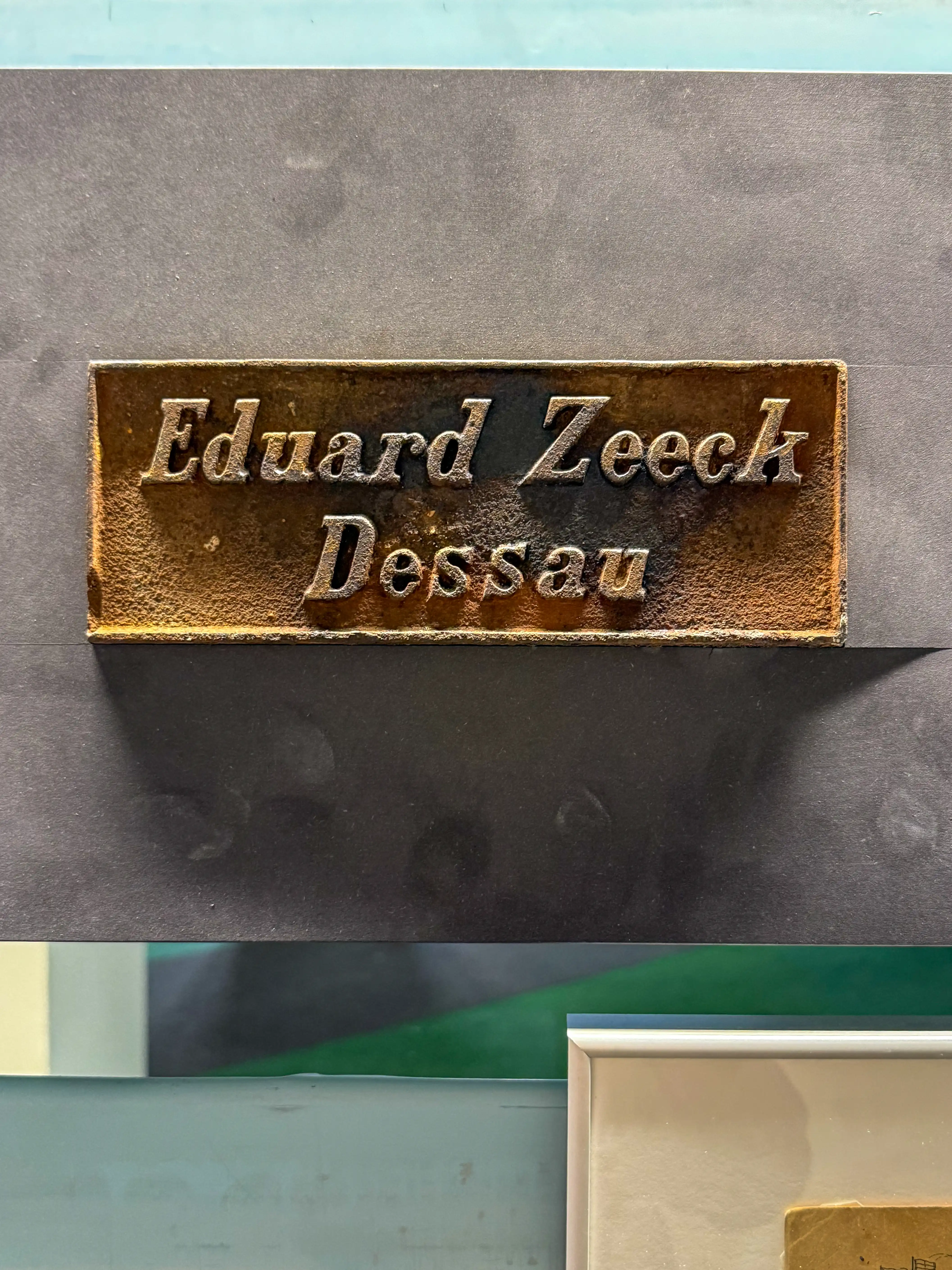
Exhibition ‘Algae I Debris I CO2’, Zeeck Department Store Dessau. Photo: Daniela Christmann
Friday Group
Former Zeeck Department Store, Kavalierstraße 72, April through September 2026 (Exact dates are available on the Bauhaus Dessau Foundation website)
The eight-part event series, ‘Friday Group,’ will explore and discuss questions regarding the design possibilities and challenges of socio-ecological change in a global context.
The series takes its name from the Friday Group, which architect Ludwig Hilberseimer hosted in his Berlin office until 1937.
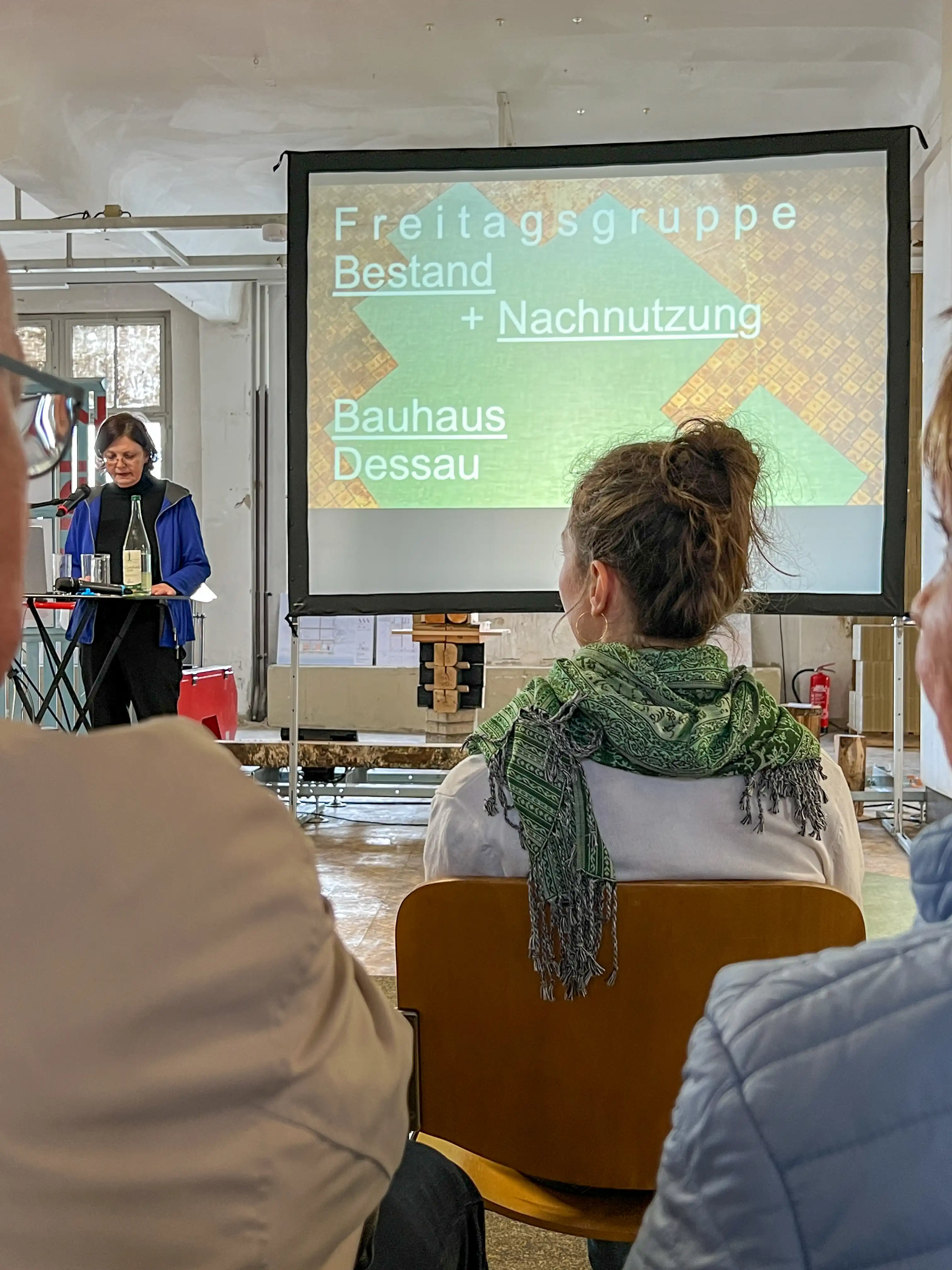
Friday Group, Kaufhaus Zeeck Dessau. Photo: Daniela Christmann
Bauhaus Buildings
In addition to exhibitions and events, regular guided tours of the Bauhaus buildings are offered.
These include the Bauhaus Building, the Masters’ Houses, the Kornhaus, the historic Employment Office, the Dessau-Törten housing estate with Haus Anton, the Steel House, the Junkers Lamella Hall, the Konsum Building, the Laubengang Houses, and Haus Fieger. These buildings are among the most notable icons of Modernism.