
Chocolate House, 1914. Architect: Ernst Lichtblau. Photo: Daniela Christmann
Chocolate House, 1914. Architect: Ernst Lichtblau. Photo: Daniela Christmann
Chocolate House, 1914. Architect: Ernst Lichtblau. Photo: Daniela Christmann
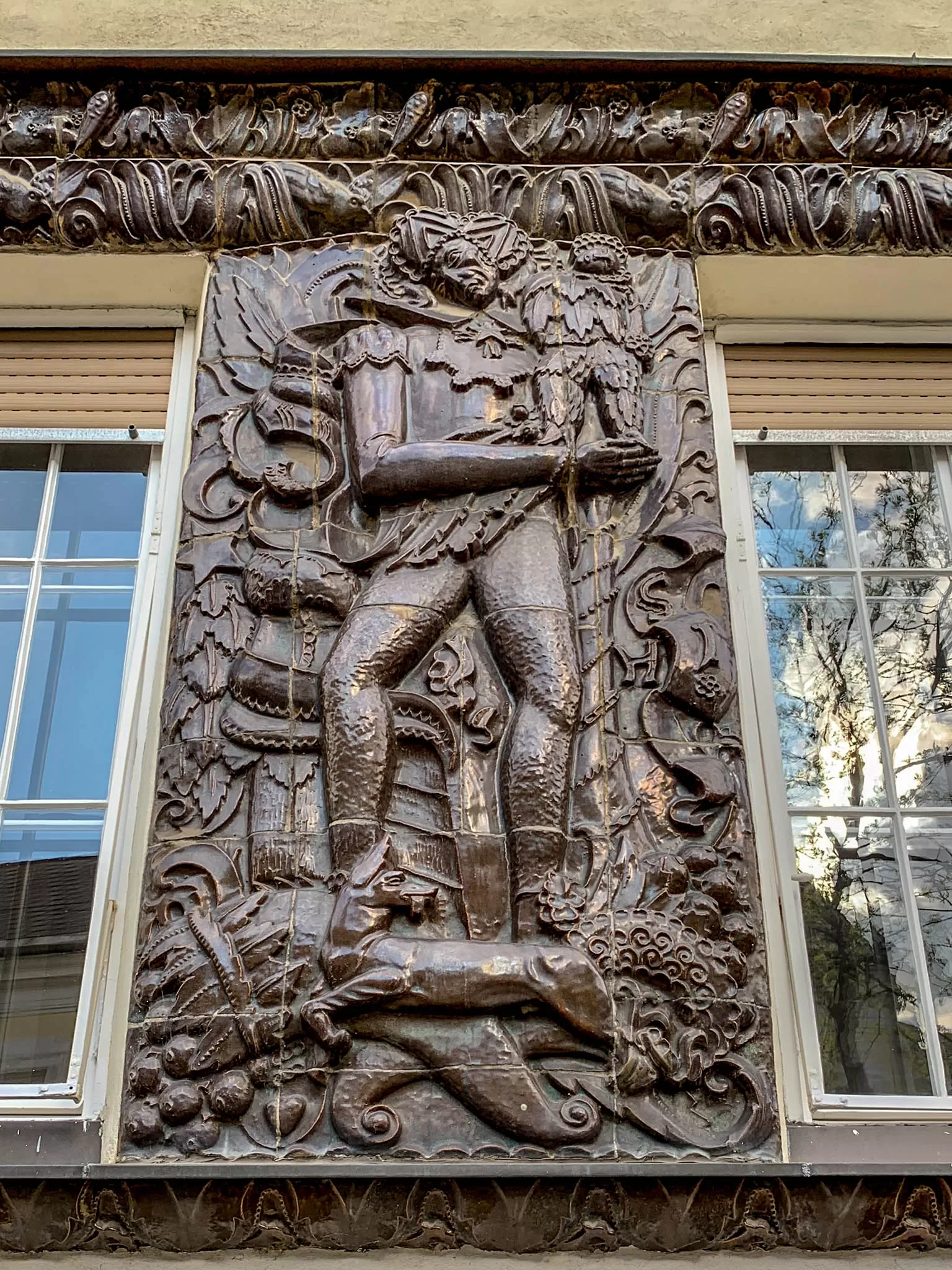
Chocolate House, 1914. Architect: Ernst Lichtblau. Photo: Daniela Christmann
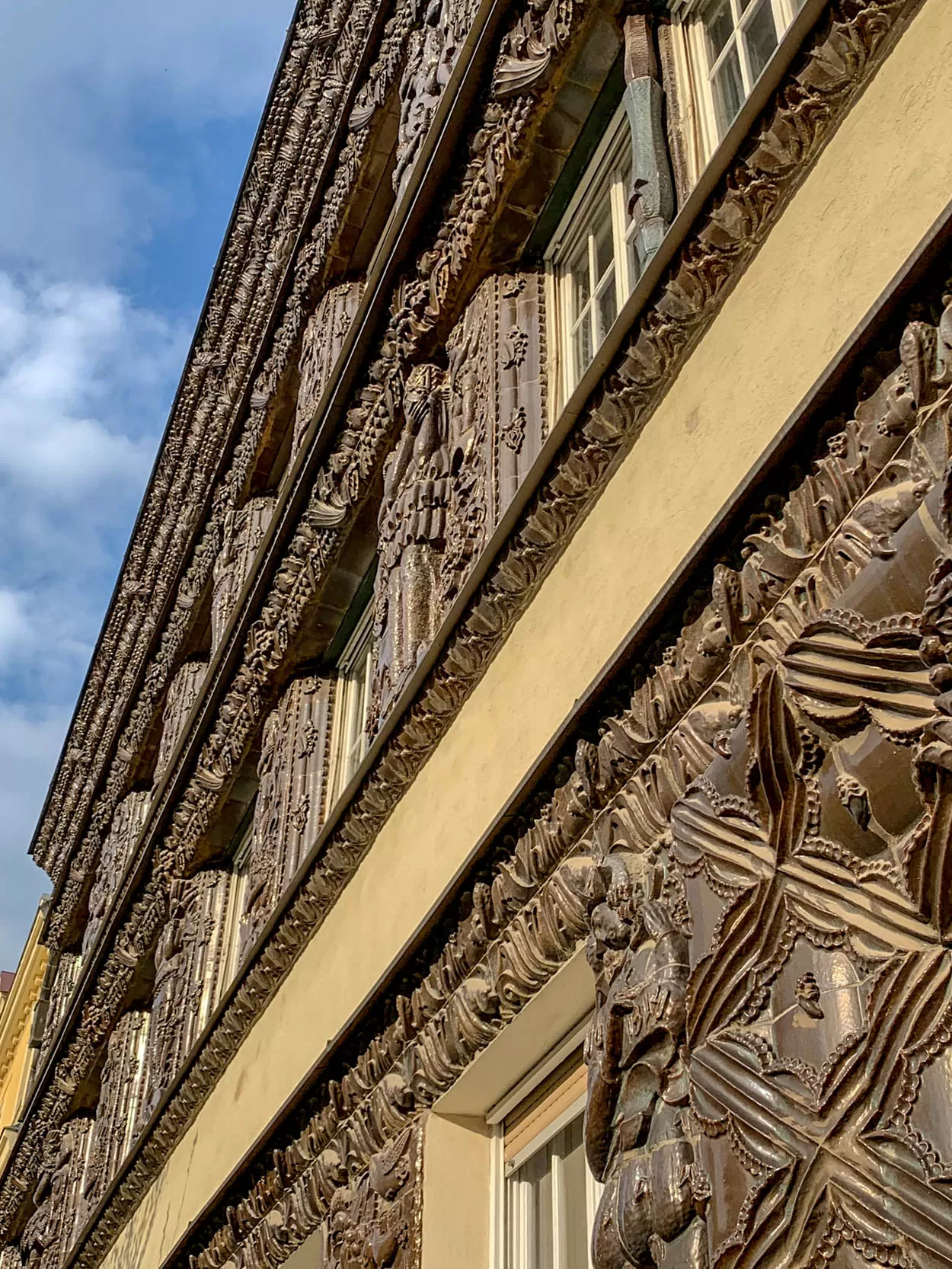
Chocolate House, 1914. Architect: Ernst Lichtblau. Photo: Daniela Christmann
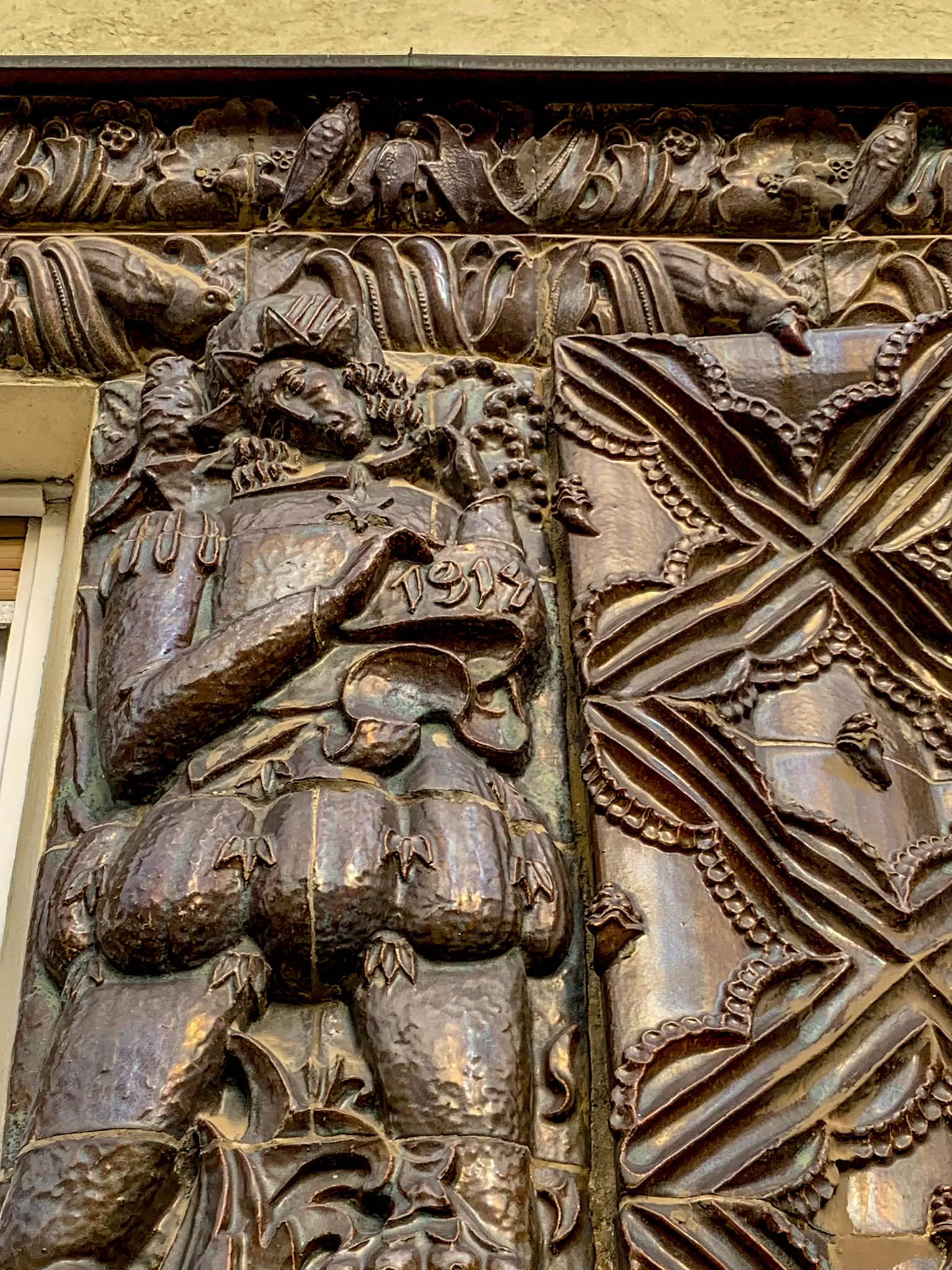
Chocolate House, 1914. Architect: Ernst Lichtblau. Photo: Daniela Christmann
1914
Architect: Ernst Lichtblau
Wattmanngasse 29, Vienna, Austria
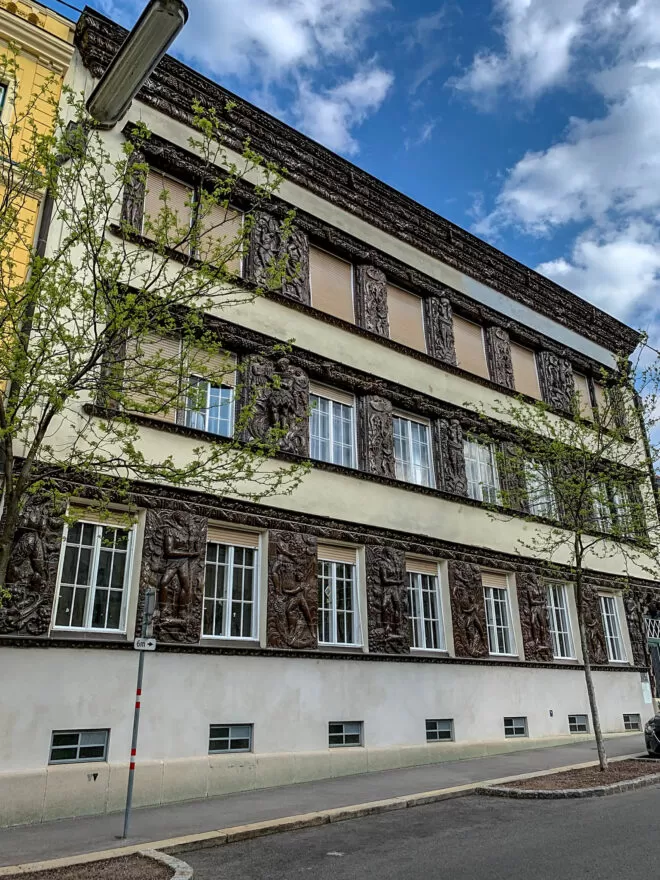
The three-story listed residential house known as the Chocolate House was completed in 1914 according to plans by Ernst Lichtblau for the client Ida Hofmann in Vienna-Hietzing, Austria.
Schokoladenhaus
Due to its unique facade design, the house was commonly referred to as the Schokoladenhaus, or Chocolate House.
Ida Hoffmann was married to the owner of a meerschaum pipe factory.
Vienna had been a center of meerschaum pipe production since the beginning of the nineteenth century. Well-known manufacturers included Andreas Bauer, Leopold Weiss, and Robert Strambach.
Ernst Lichtblau
Architect Ernst Lichtblau was one of Otto Wagner’s few students to approach the tendencies of interwar modernist architecture.
Through his use of folk art motifs, forms that foreshadowed Art Deco, and the shaping of horizontal window bands, Lichtblau anticipated elements of 1920s architecture.
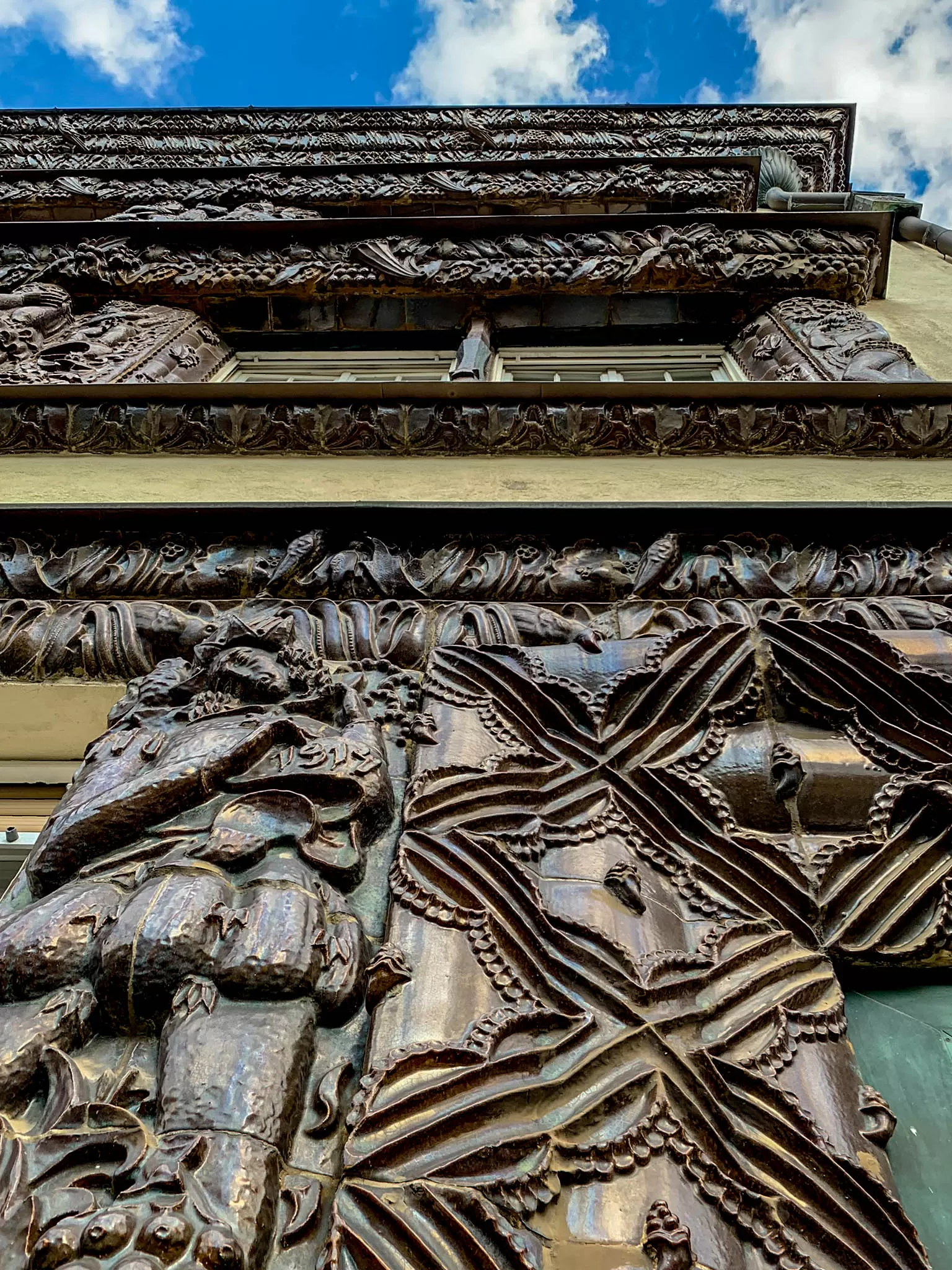
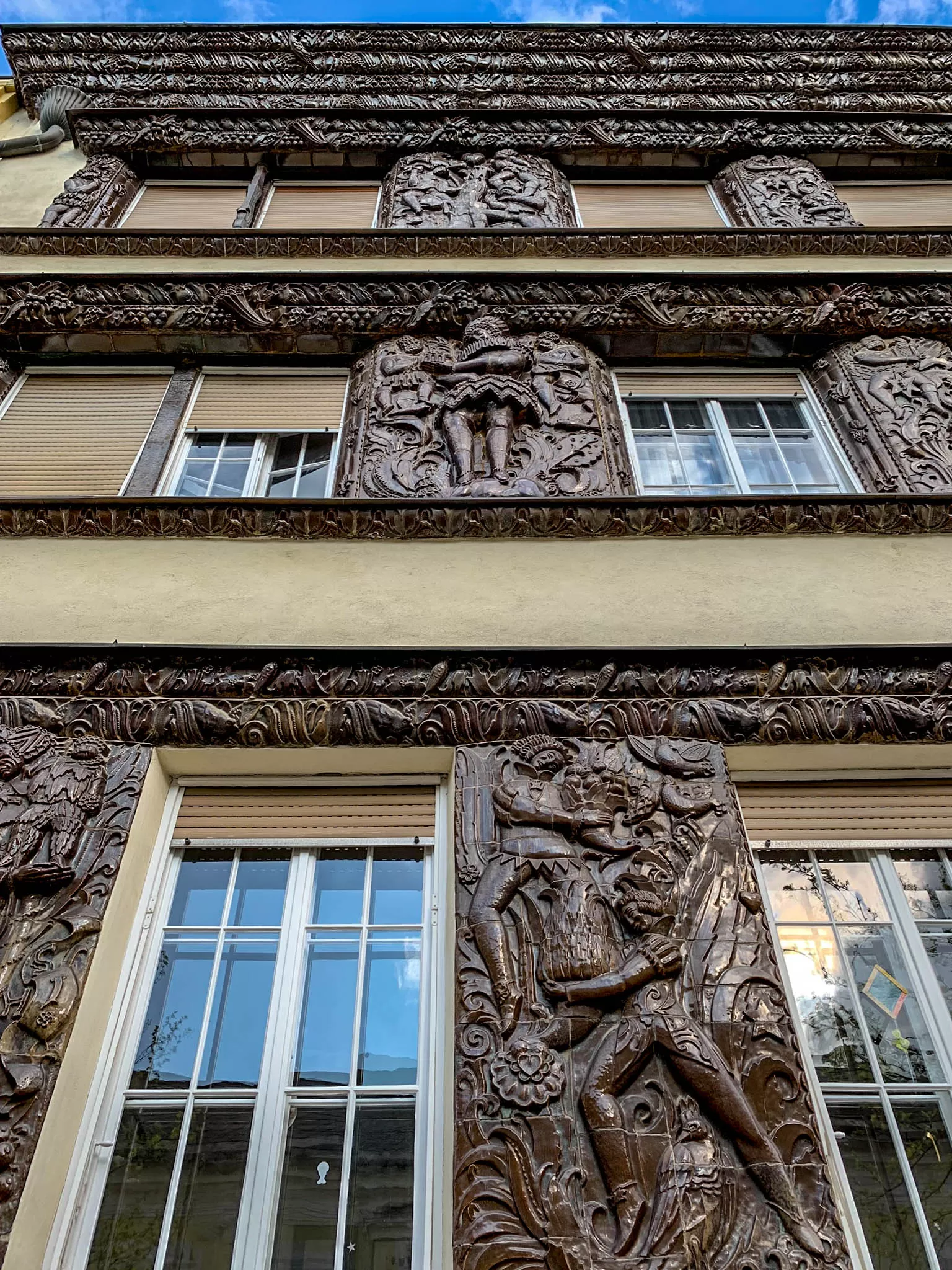
The majolica reliefs were designed by the sculptor and ceramicist Willibald (Willy) Russ.
They feature fairy-tale animals, plants, and imaginative ornaments.
Wiener Werkstätte
The motifs appear to be taken directly from folk art, a constant source of inspiration for the Wiener Werkstätte.
They can also be interpreted as oversized carvings on meerschaum pipes, referencing the builder’s trade.
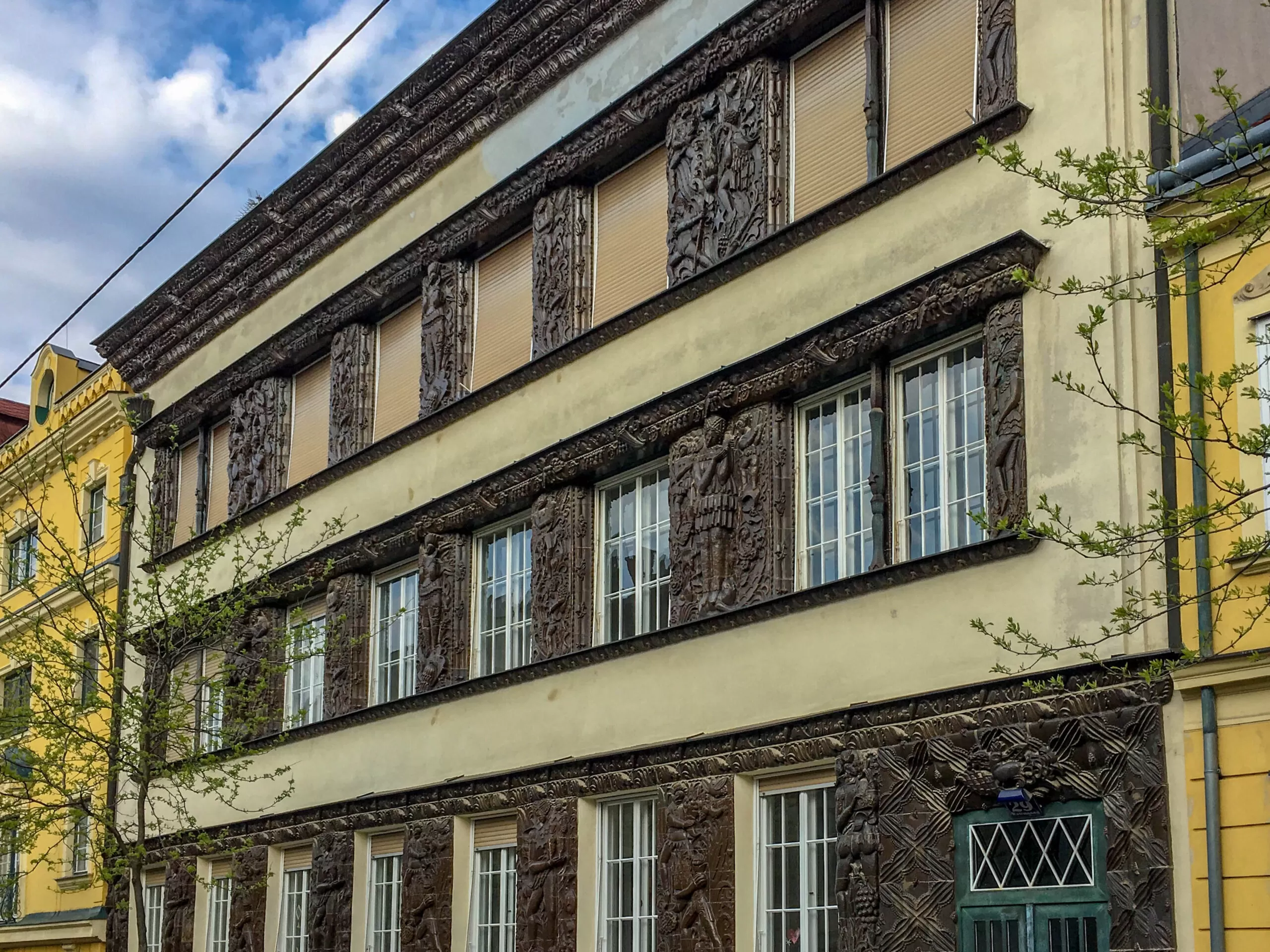
The rectangular ceramic panels between the windows and around the entrance consist of floral and figural designs that vary by floor.
In the mezzanine, the letters H, I, and S are incorporated into three reliefs.
The year 1914 can be found in the figure relief on the left side of the entrance portal.
The multi-tiered cornice is decorated with relief moldings depicting plants and birds.
Majolica
Dark brown majolica cornices connect the rows of windows on each floor. The smooth surfaces of the façade were originally made of polished Carrara marble.
The wall pieces between the windows, which resemble pillars, reinforce the impression of a window band motif.
Otto Wagner’s students and associates were mostly inspired by the Majolikahaus on Linke Wienzeile when designing the ceramic cladding of their buildings.
The Chocolate House’s façade decoration is reminiscent of the majolica reliefs created by Richard Luksch in 1908 for the Handelsakademie der Wiener Kaufmannschaft on Hamerlingplatz in Vienna.
Conversions
In 1914, the Lichtblau House on Wattmanngasse received the “Prize of the Municipality of Vienna for Outstanding Buildings.”
In 1932, the house was divided into apartments.
In 1938, the house’s roof was extended. An apartment was built where the drying and ironing rooms had originally been. The former laundry room was converted into a studio.
While the extravagant façade found no immediate successors in Vienna, ceramic façade decoration is often present on later interwar modernist buildings.
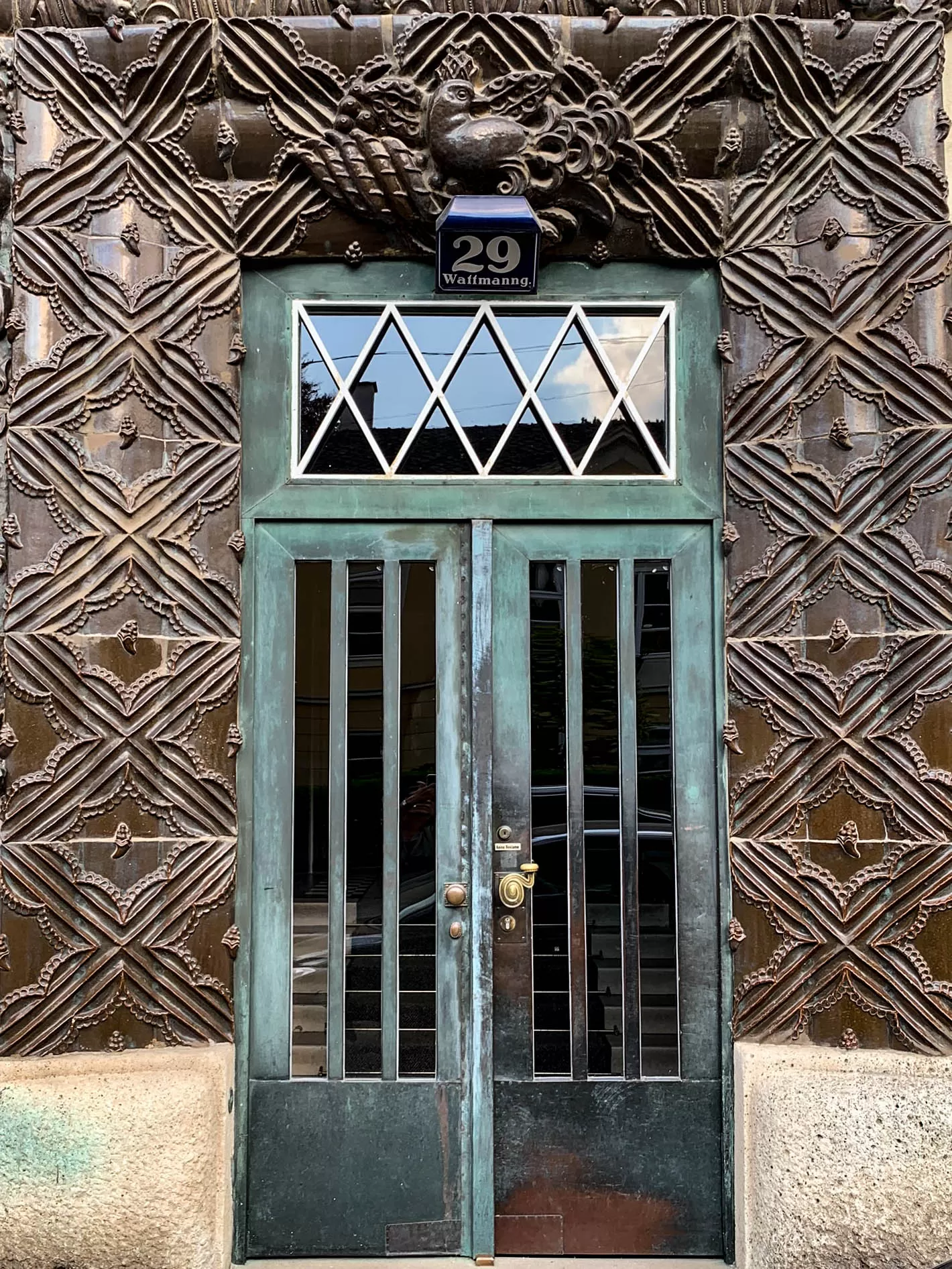
Chocolate House, 1914. Architect: Ernst Lichtblau. Photo: Daniela Christmann
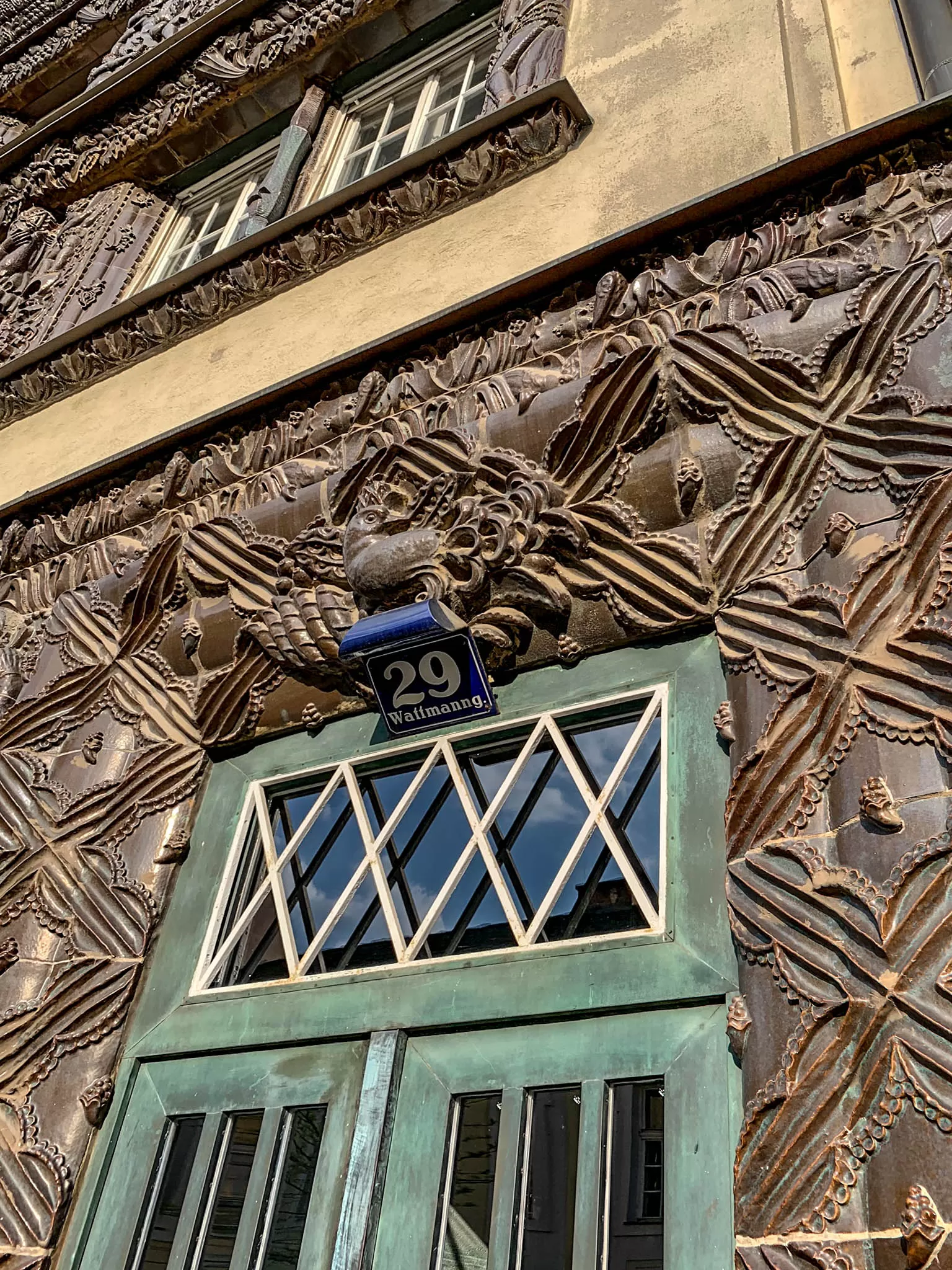
Chocolate House, 1914. Architect: Ernst Lichtblau. Photo: Daniela Christmann
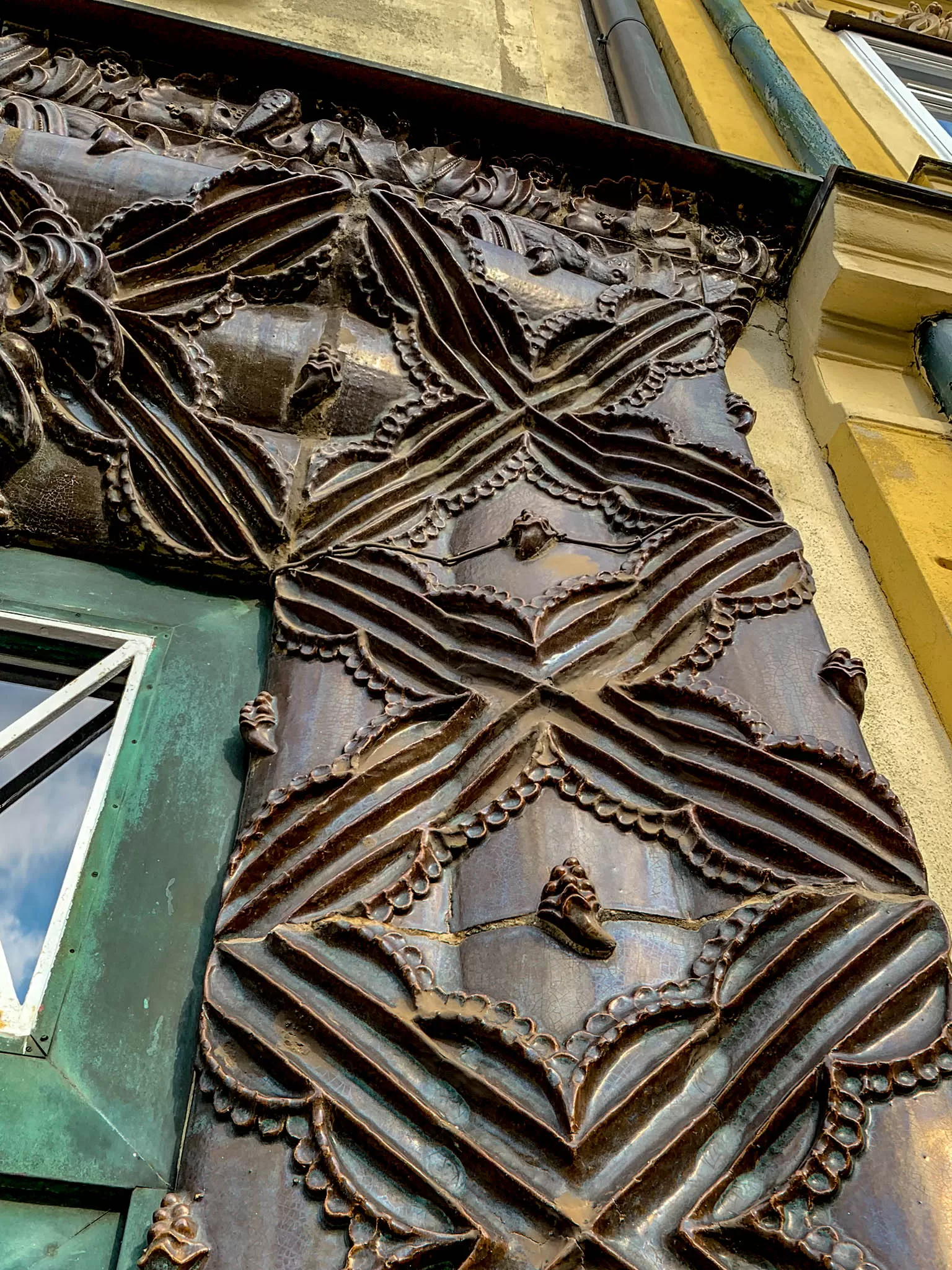
Chocolate House, 1914. Architect: Ernst Lichtblau. Photo: Daniela Christmann
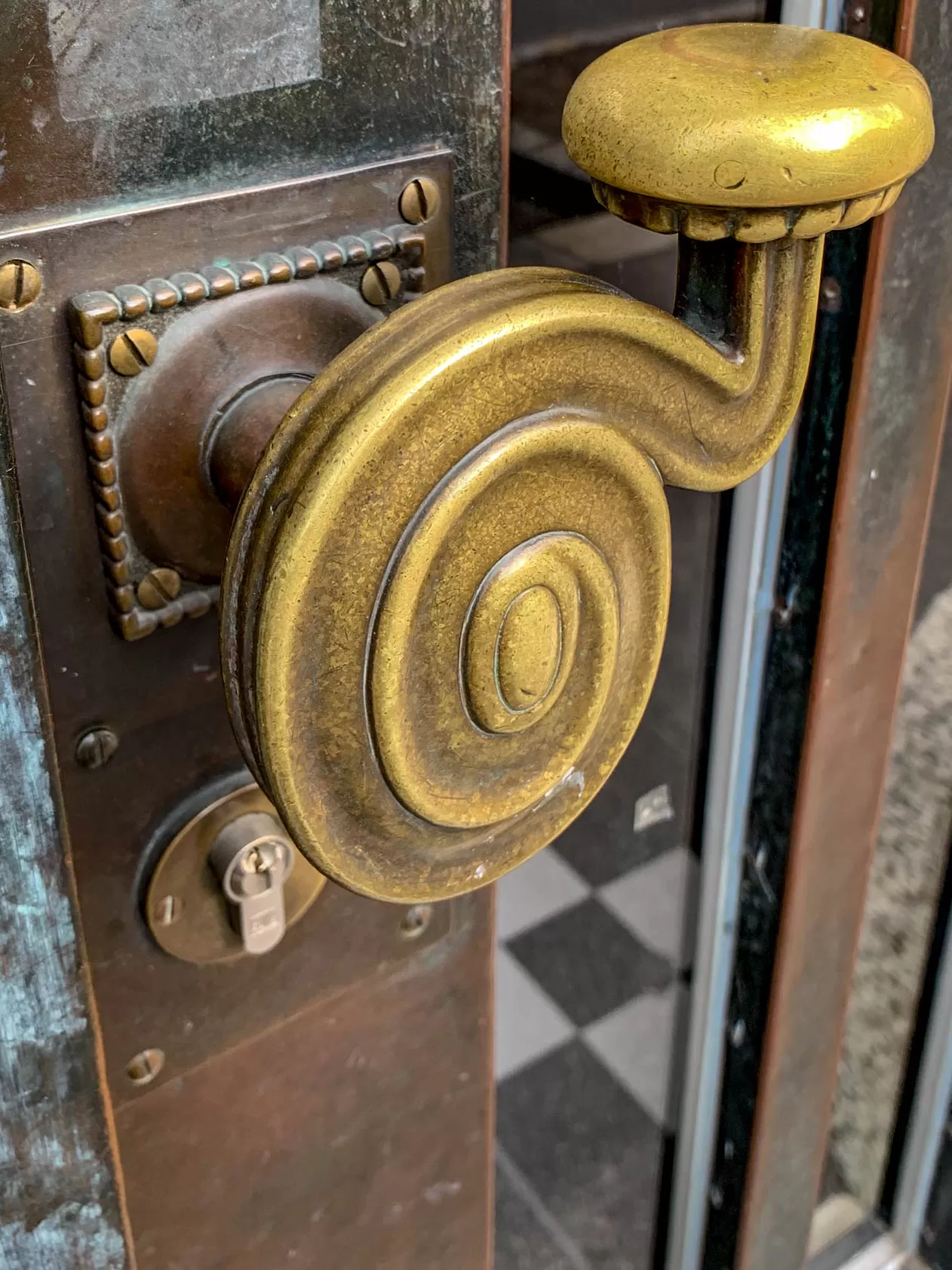
Chocolate House, 1914. Architect: Ernst Lichtblau. Photo: Daniela Christmann