
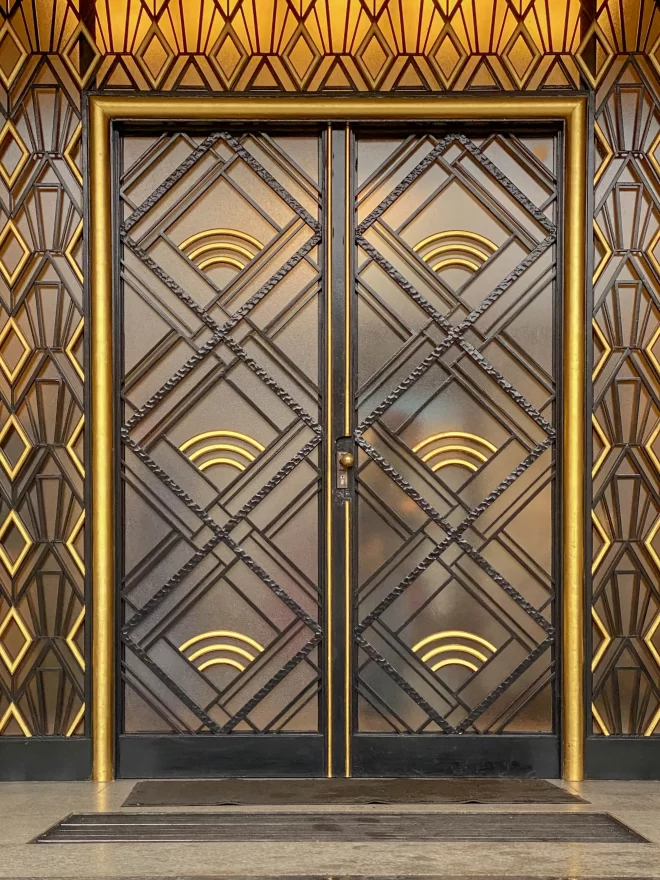
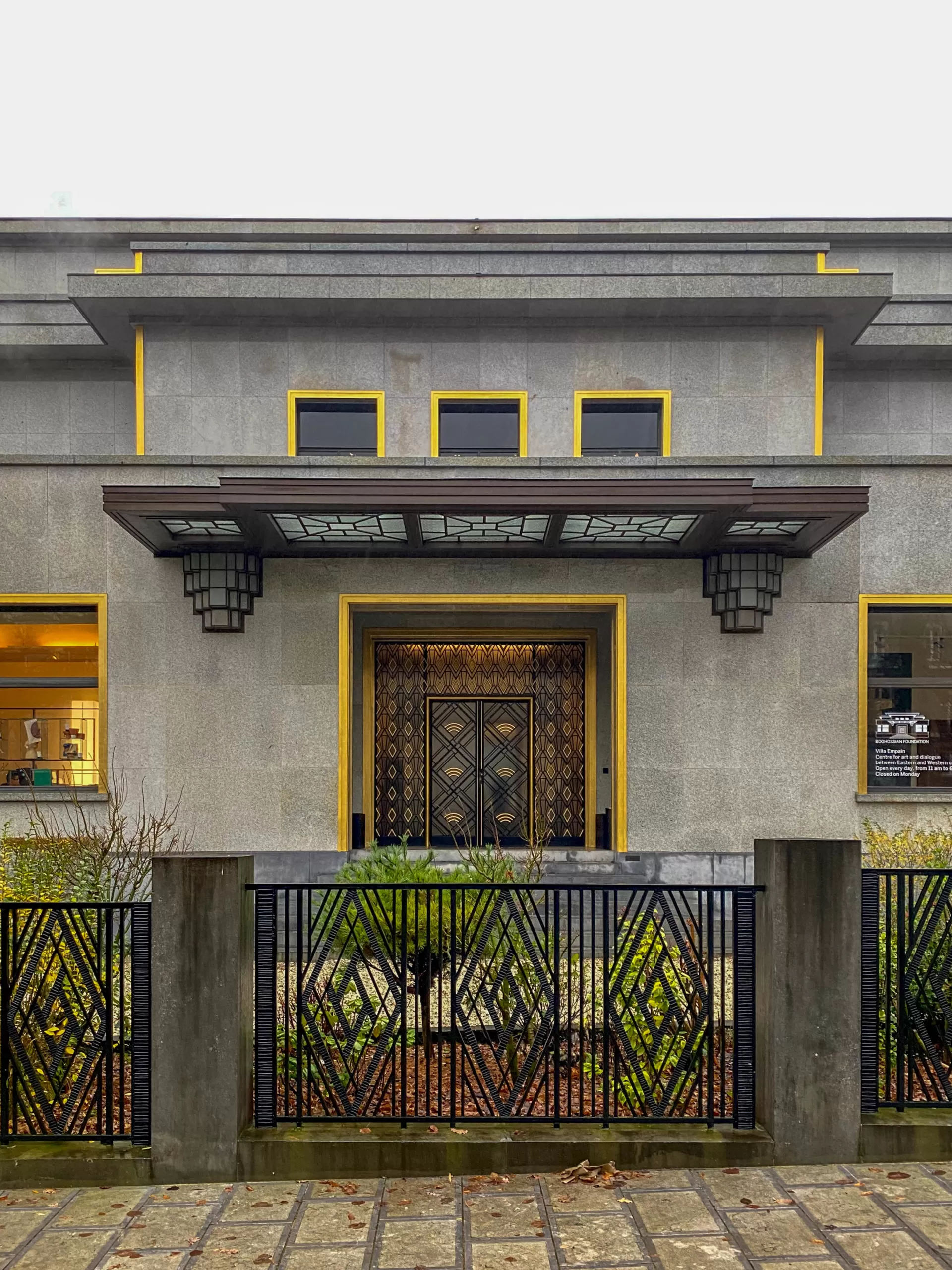
Villa Empain, 1930-1935. Architect: Michel Polak. Photo: Daniela Christmann
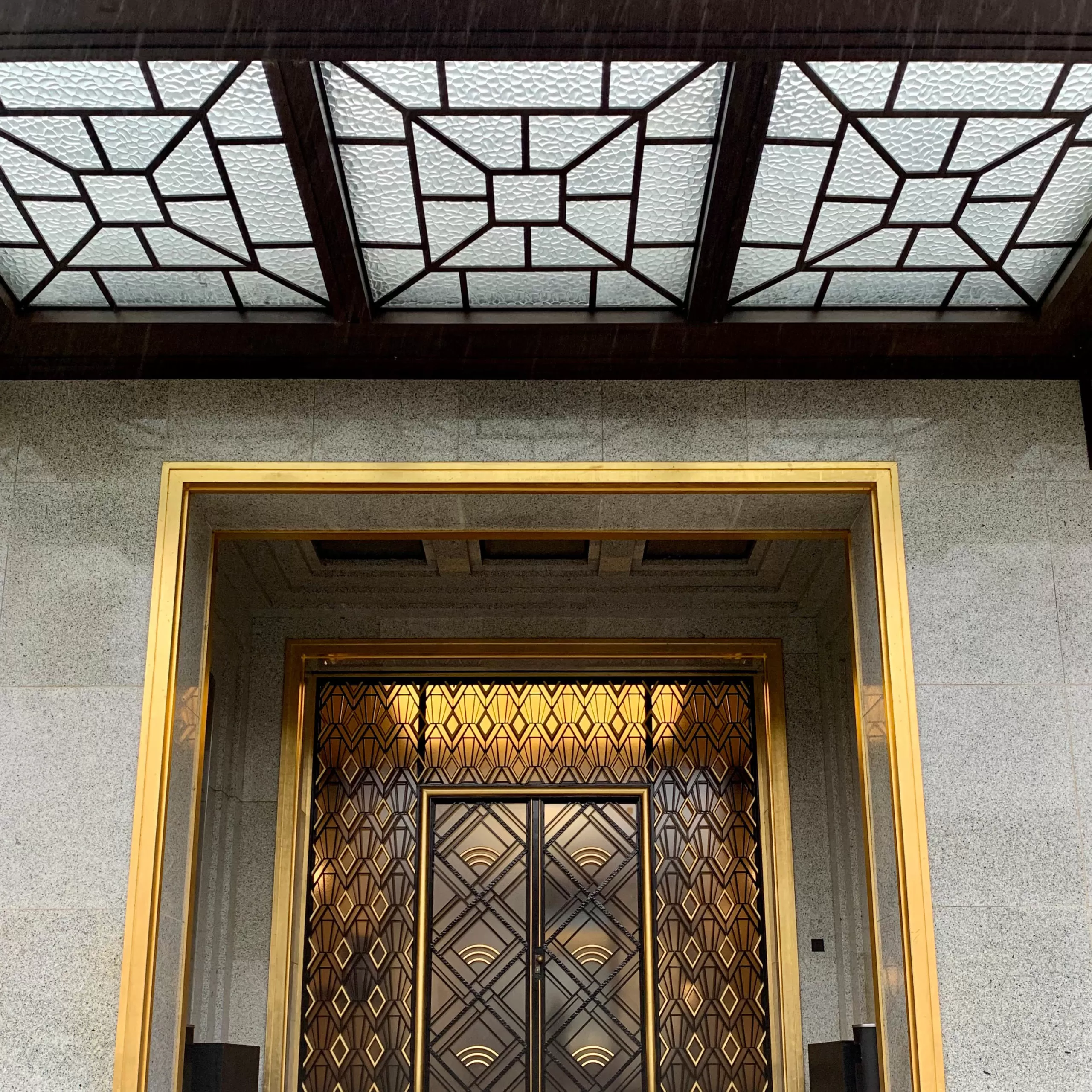
Villa Empain, 1930-1935. Architect: Michel Polak. Photo: Daniela Christmann
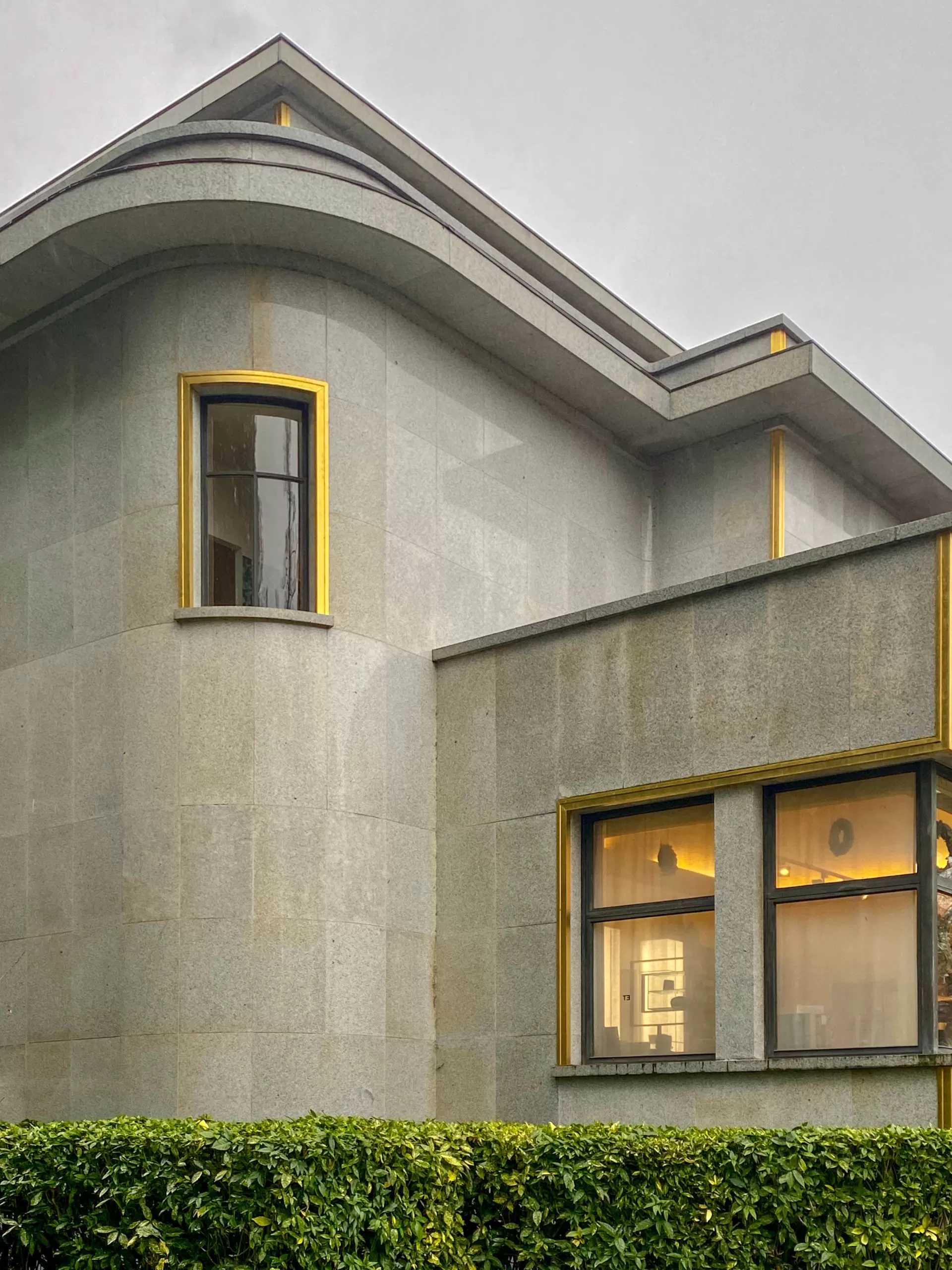
Villa Empain, 1930-1935. Architect: Michel Polak. Photo: Daniela Christmann
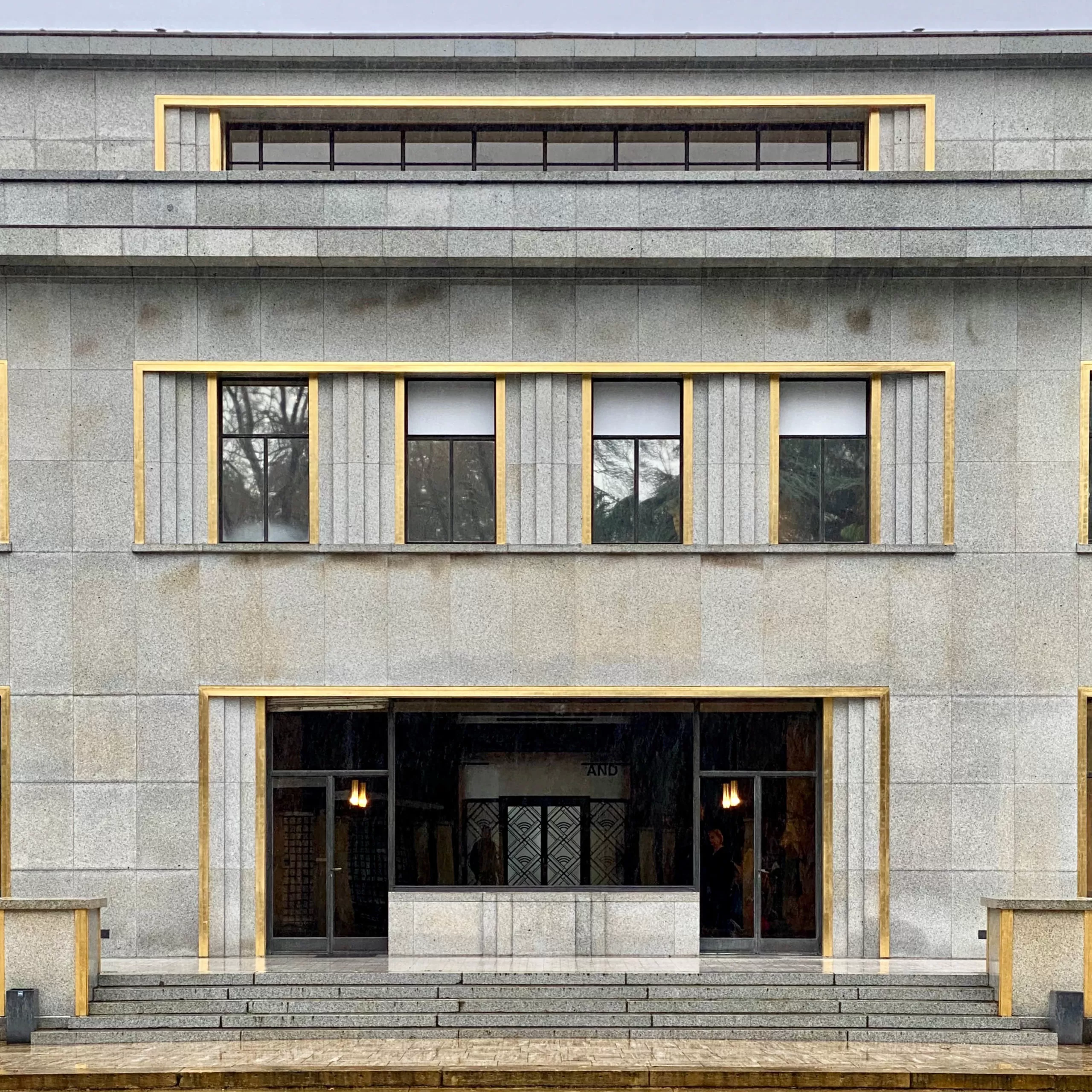
Villa Empain, 1930-1935. Architect: Michel Polak. Photo: Daniela Christmann
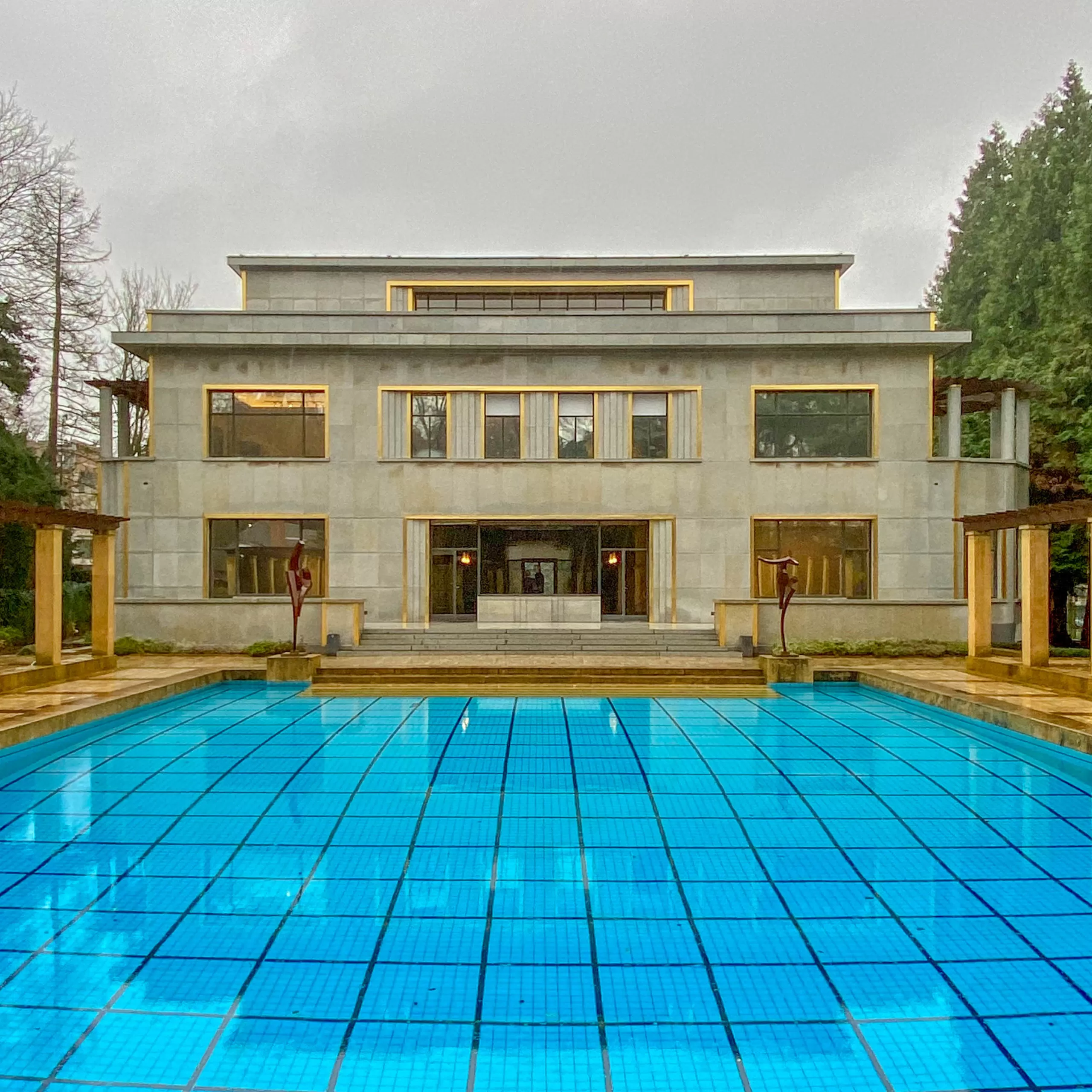
Villa Empain, 1930-1935. Architect: Michel Polak. Photo: Daniela Christmann
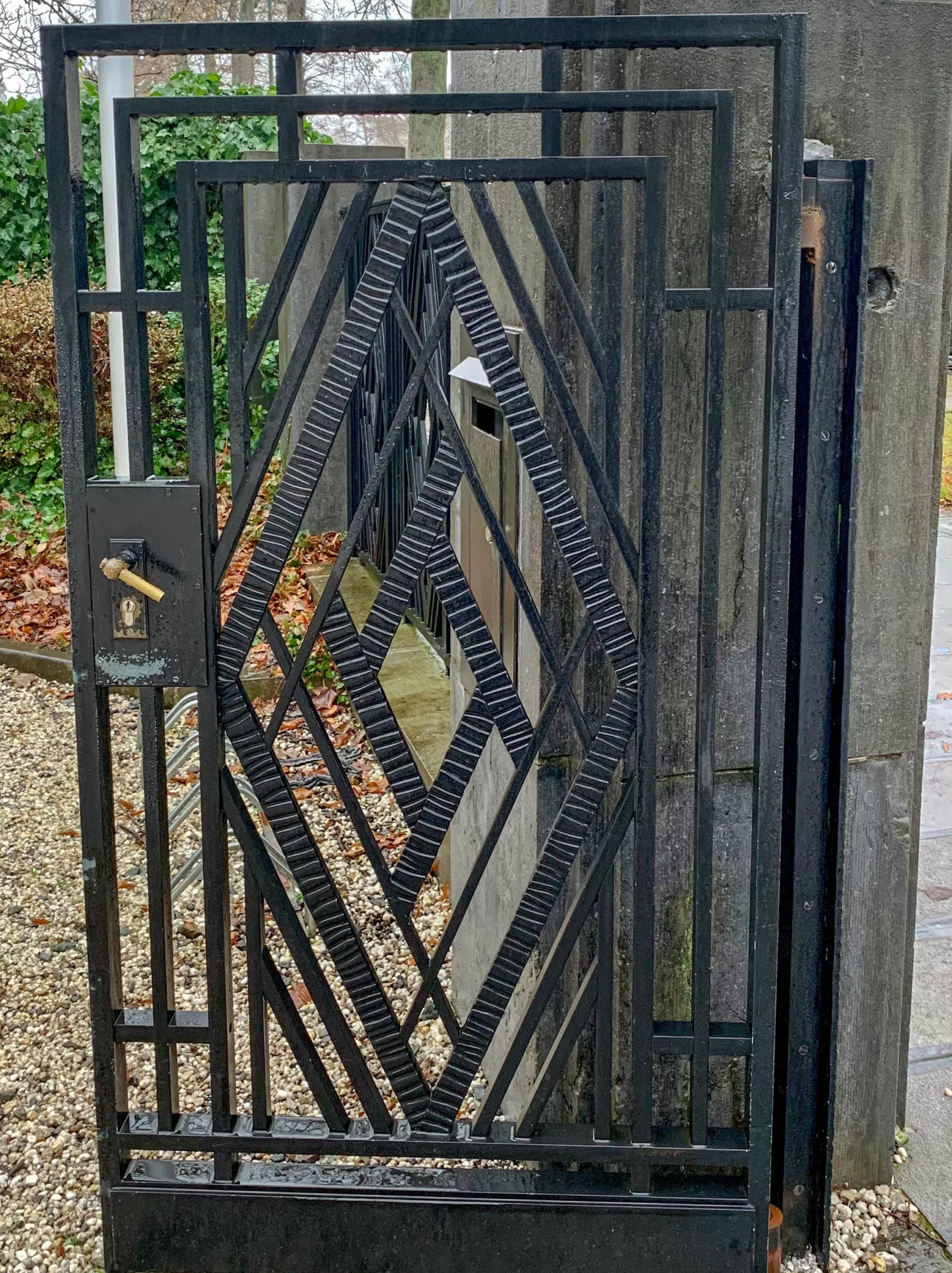
Villa Empain, 1930-1935. Architect: Michel Polak. Photo: Daniela Christmann
1930 – 1935
Architect: Michel Polak
67 Avenue Franklin Roosevelt, Brussels, Belgium
Building
Villa Empain, an Art Deco residence, was built by Michel Polak between 1930 and 1935 and commissioned by Baron Louis Empain.
Its facades are clad in polished Baveno granite from Italy, and some of its brass profiles are covered in gold leaf.
Interiors
The interiors feature Escalette and Bois Jourdan marble.
Tropical woods were used for the floors and paneling. There were also elaborate glass mosaics and a backlit glass ceiling.
History
The building was initially planned as a residence, but the builder quickly realized that it was not suitable for living in.
It is unclear whether he ever lived in the mansion. It is believed that he used it for about a year, after which he moved to Canada.
In 1937, Empain donated the villa to the Belgian government on the condition that it be used as a museum.
In November 1943, the Wehrmacht requisitioned the villa as the local commander’s headquarters during the German occupation of Belgium.
Postwar
For reasons that can no longer be explained, after the war the villa was handed over to the Soviet Union without regard to the terms of the donation. The Soviet Union then set up its embassy in the villa.
The Empain family contested this decision for years, citing the villa’s intended purpose as a museum in 1937. As a result, the Soviet embassy moved out in 1964, and the villa was returned to Louis Empain.
It was used as an exhibition space again before being sold in 1973 to Harry Tcherkezian, an Armenian businessman based in the United States.
Tcherkezian rented the house to the French broadcaster RTL from 1980 to 1993.
After that, the villa fell into disrepair and was repeatedly vandalized.
Heritage Protection
In 2001, it was added to the list of Brüssels heritage sites worthy of protection, and it was purchased by the Fondation Boghossian in 2006.
Restoration
From 2007 to 2011, the villa underwent restoration, for which the foundation received the Europa Nostra Award in 2011.
The façade and interiors were renovated and the swimming pool and pergola were restored.
The basement now meets all the requirements of a modern museum, and the foundation’s offices have moved to the second floor.
Since 2007, the villa has been listed as a historic monument. It is the seat of the Fondation Boghossian and is used for exhibitions.
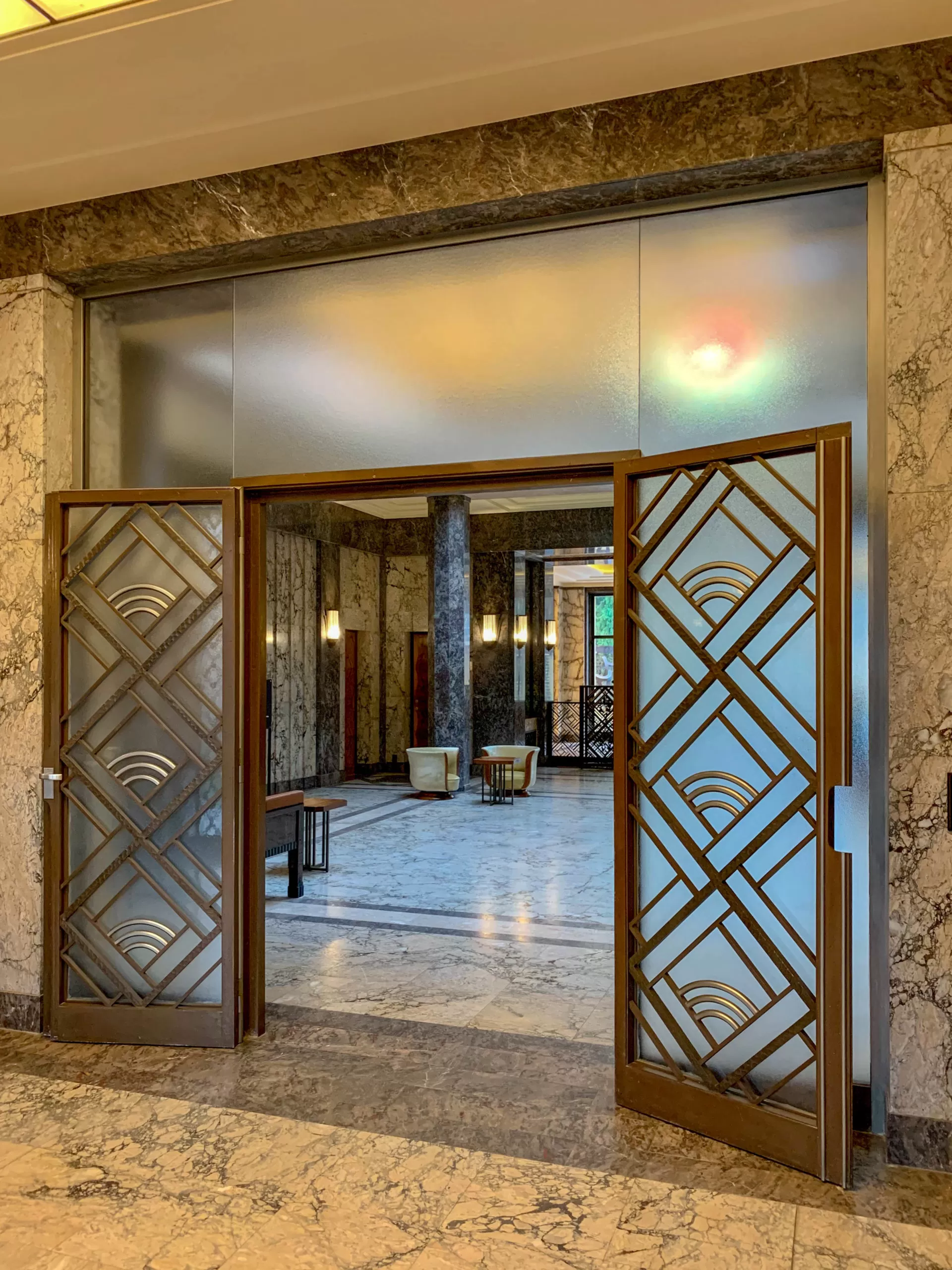
Villa Empain, 1930-1935. Architect: Michel Polak. Photo: Daniela Christmann
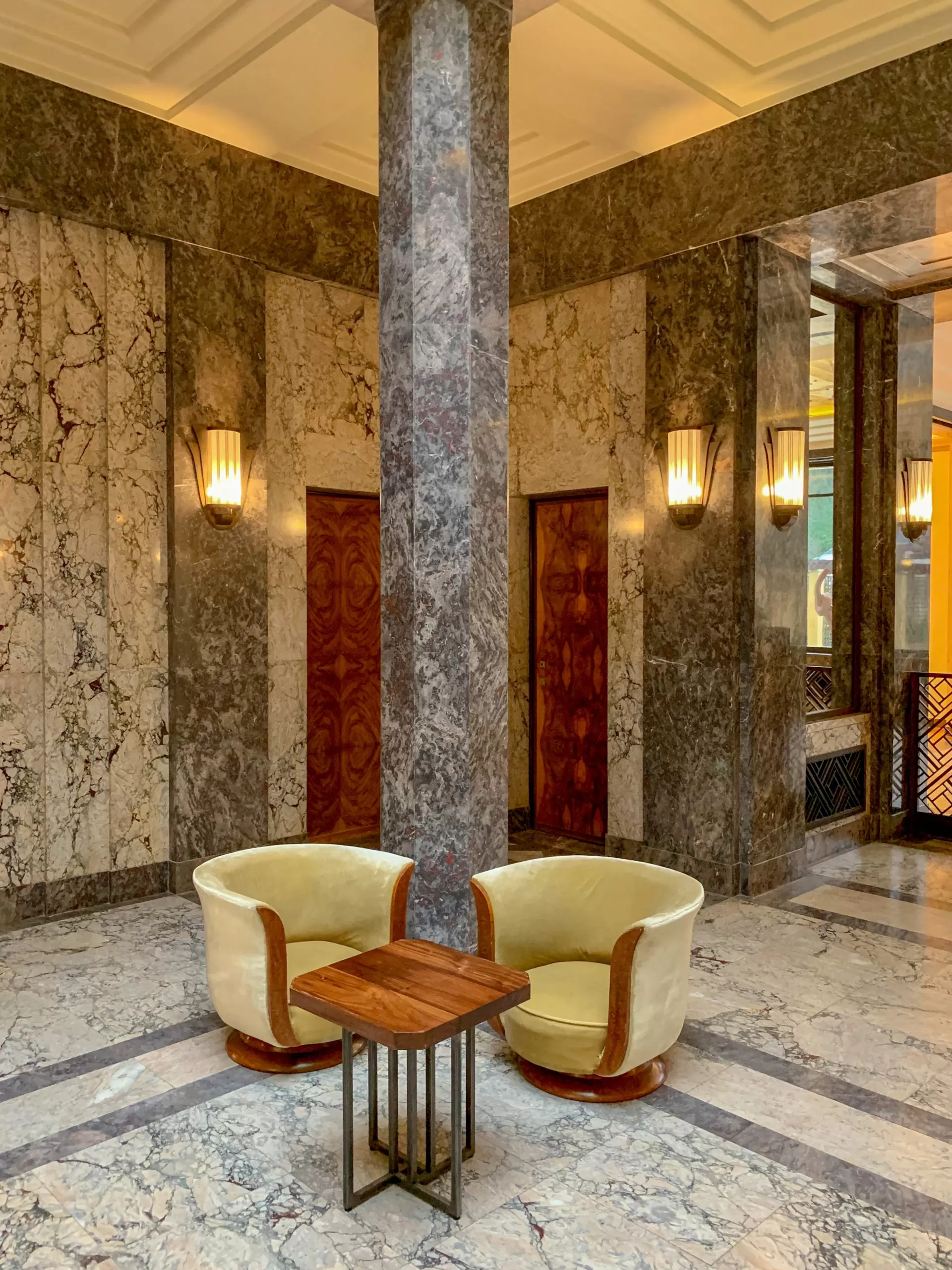
Villa Empain, 1930-1935. Architect: Michel Polak. Photo: Daniela Christmann
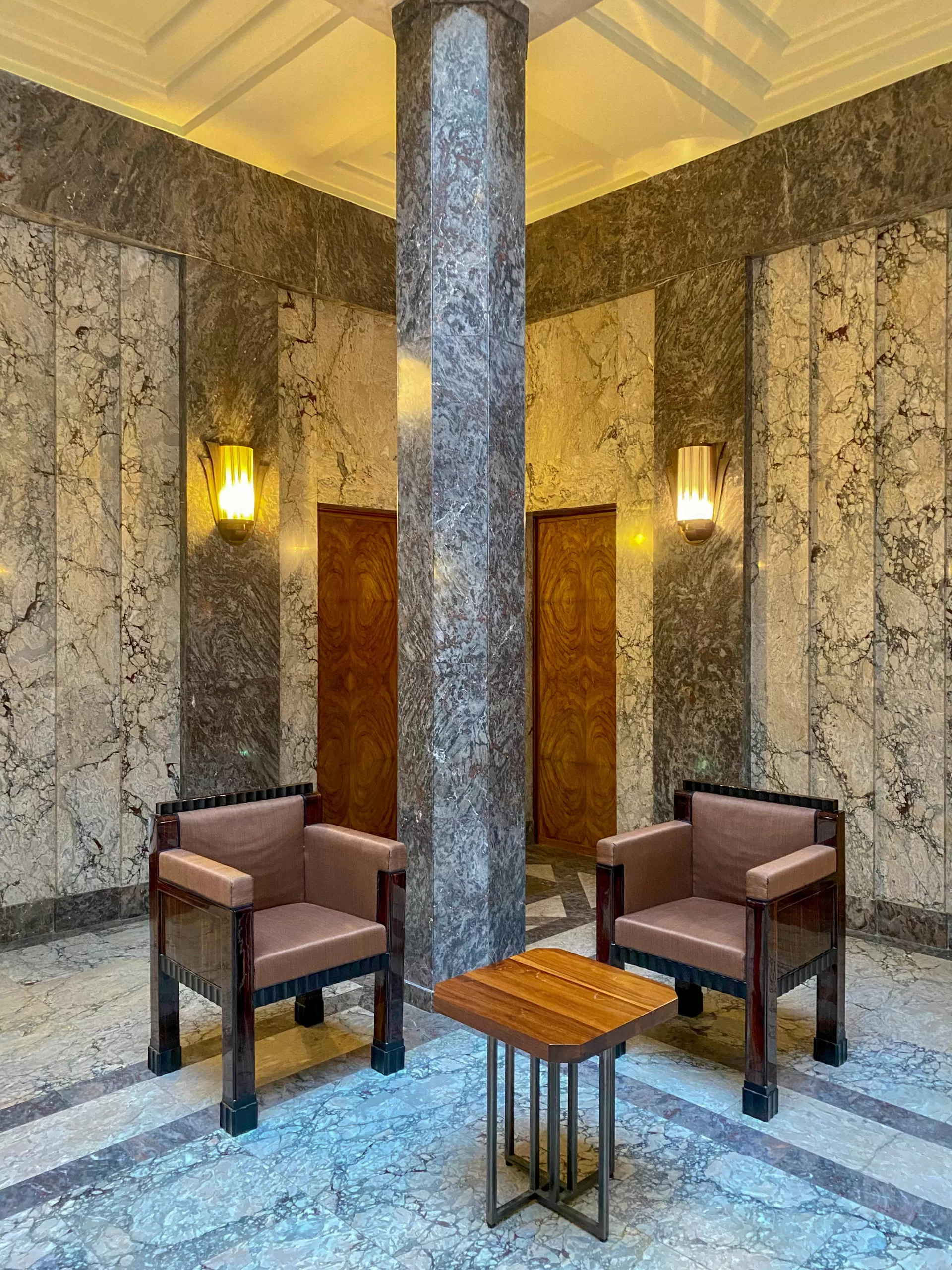
Villa Empain, 1930-1935. Architect: Michel Polak. Photo: Daniela Christmann
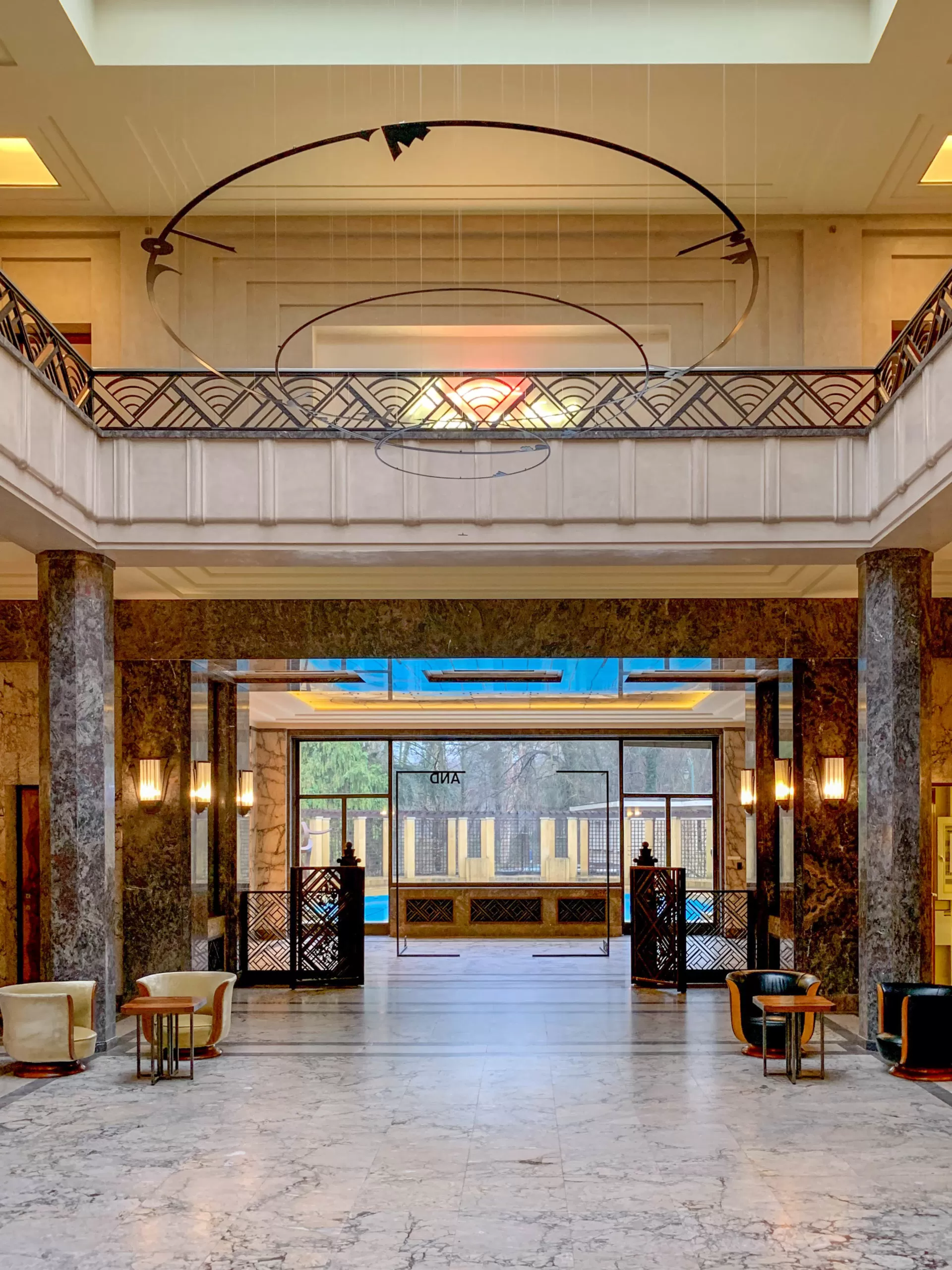
Villa Empain, 1930-1935. Architect: Michel Polak. Photo: Daniela Christmann
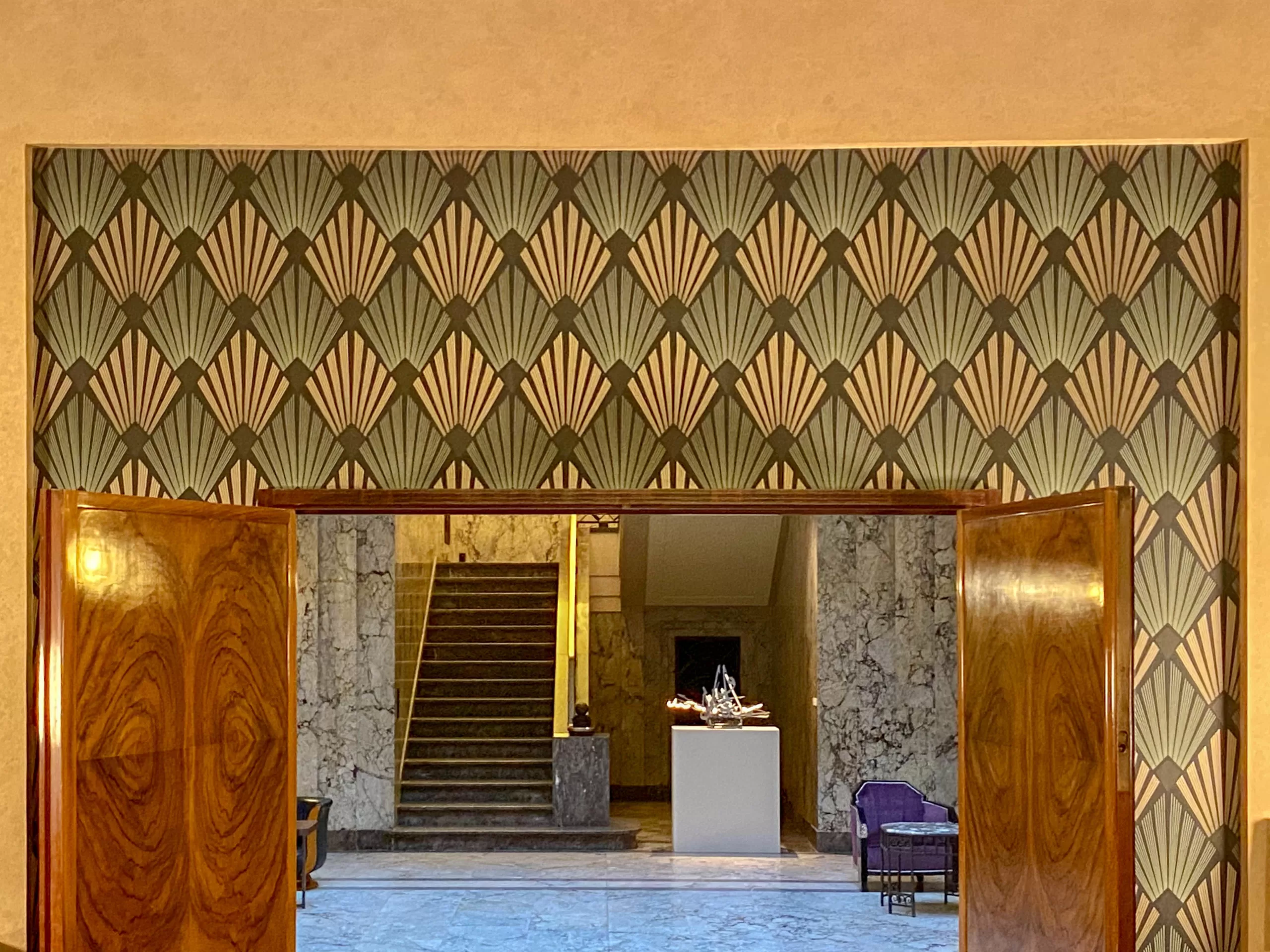
Villa Empain, 1930-1935. Architect: Michel Polak. Photo: Daniela Christmann
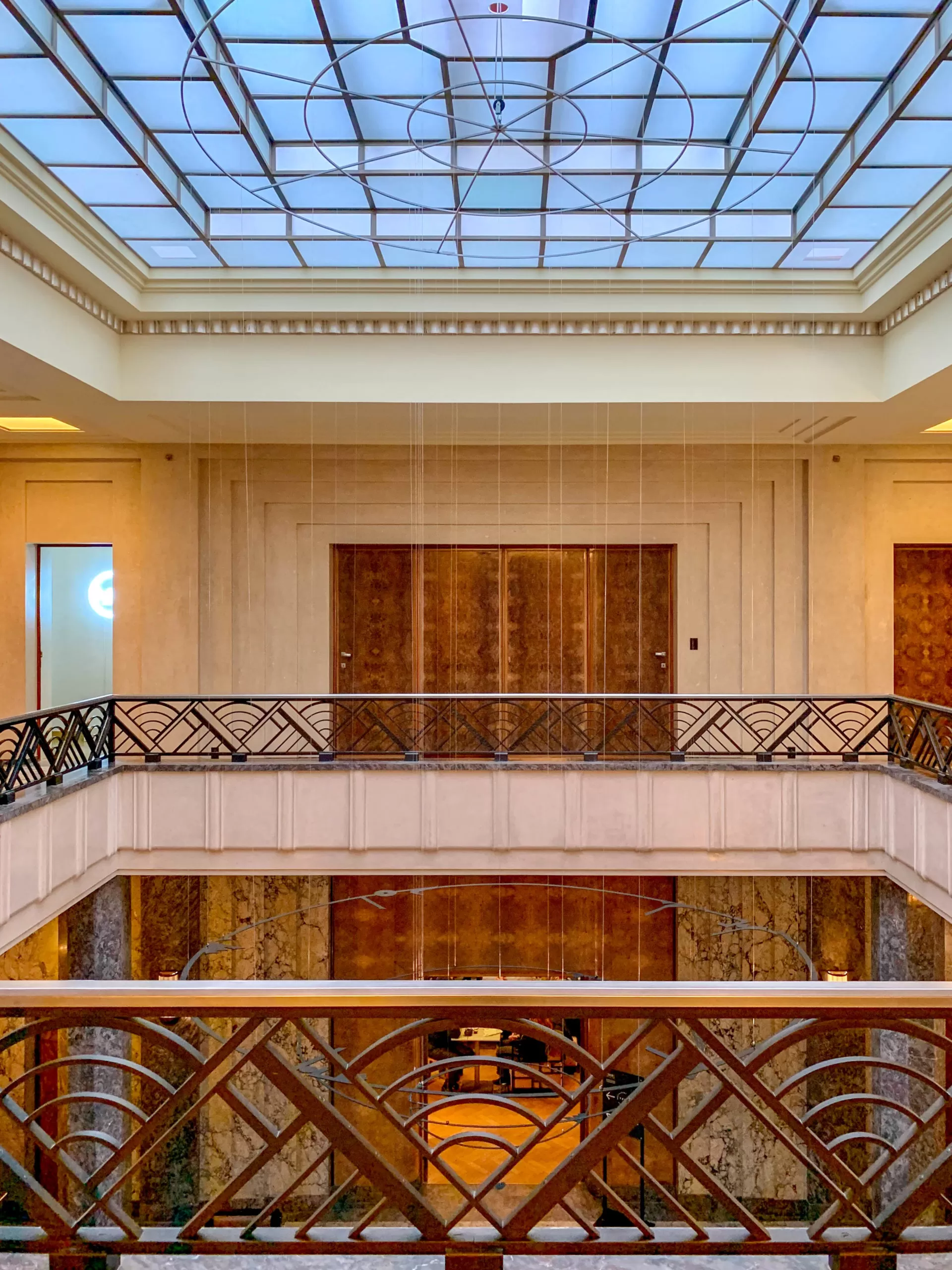
Villa Empain, 1930-1935. Architect: Michel Polak. Photo: Daniela Christmann
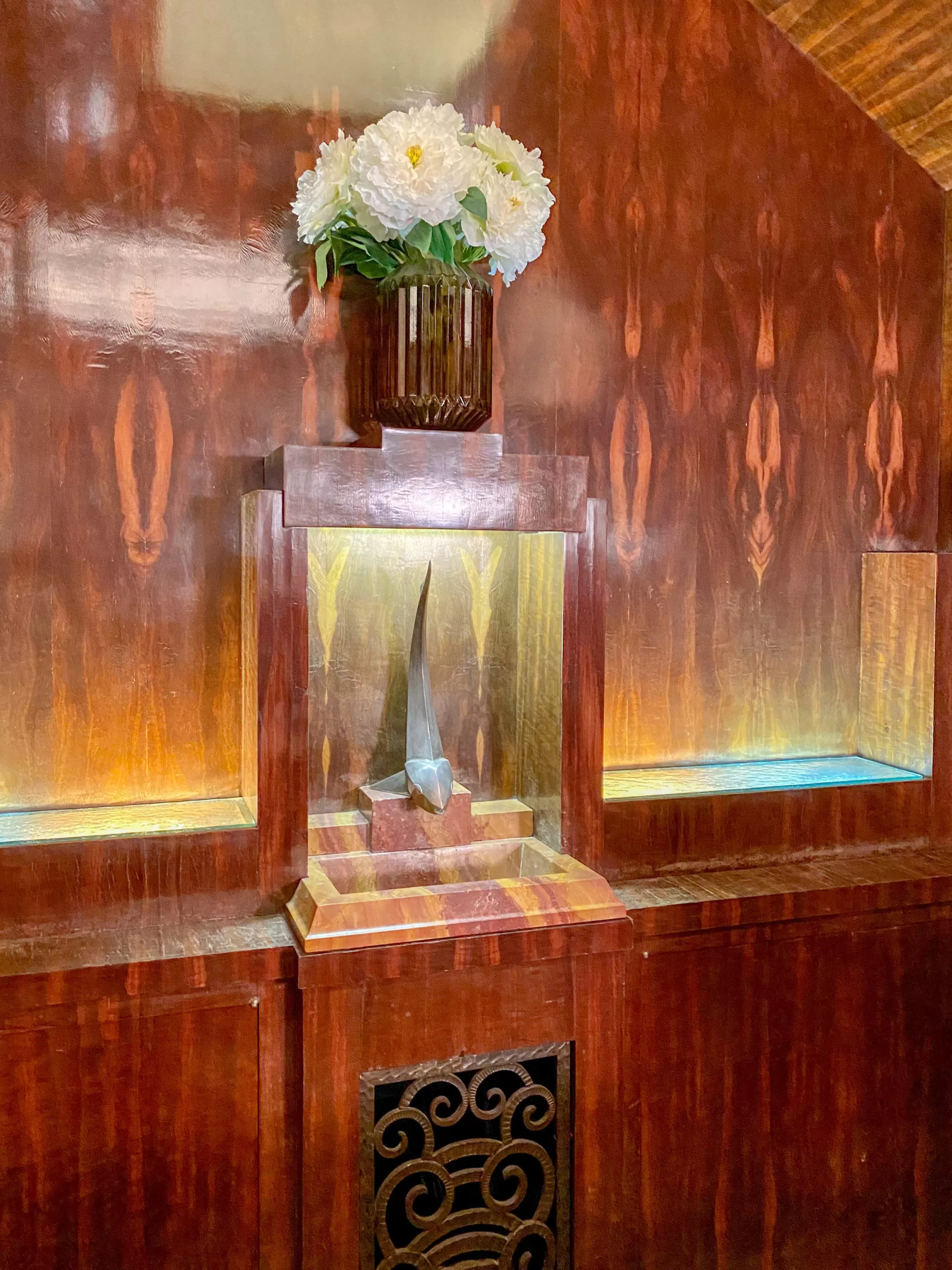
Villa Empain, 1930-1935. Architect: Michel Polak. Photo: Daniela Christmann
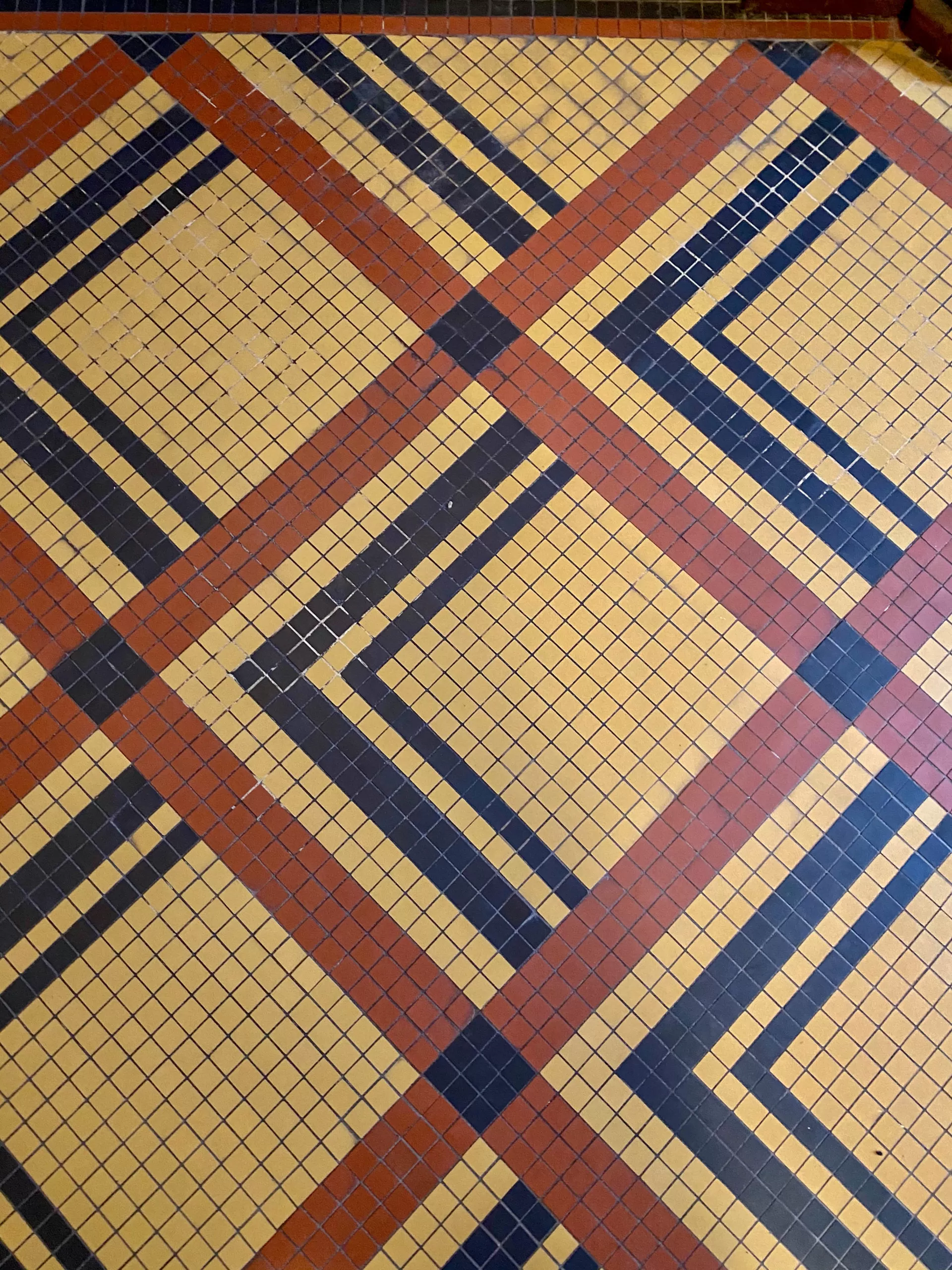
Villa Empain, 1930-1935. Architect: Michel Polak. Photo: Daniela Christmann