
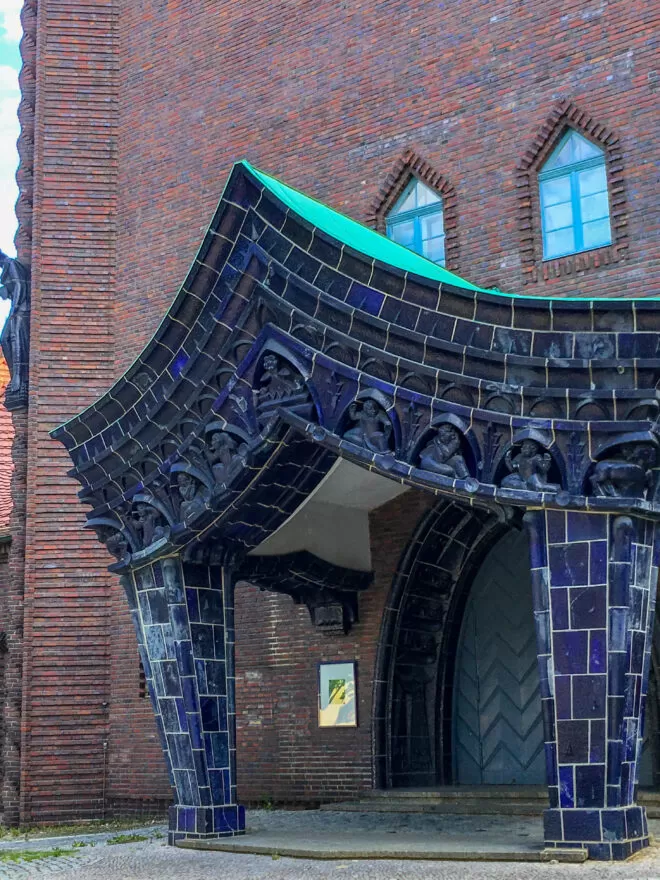
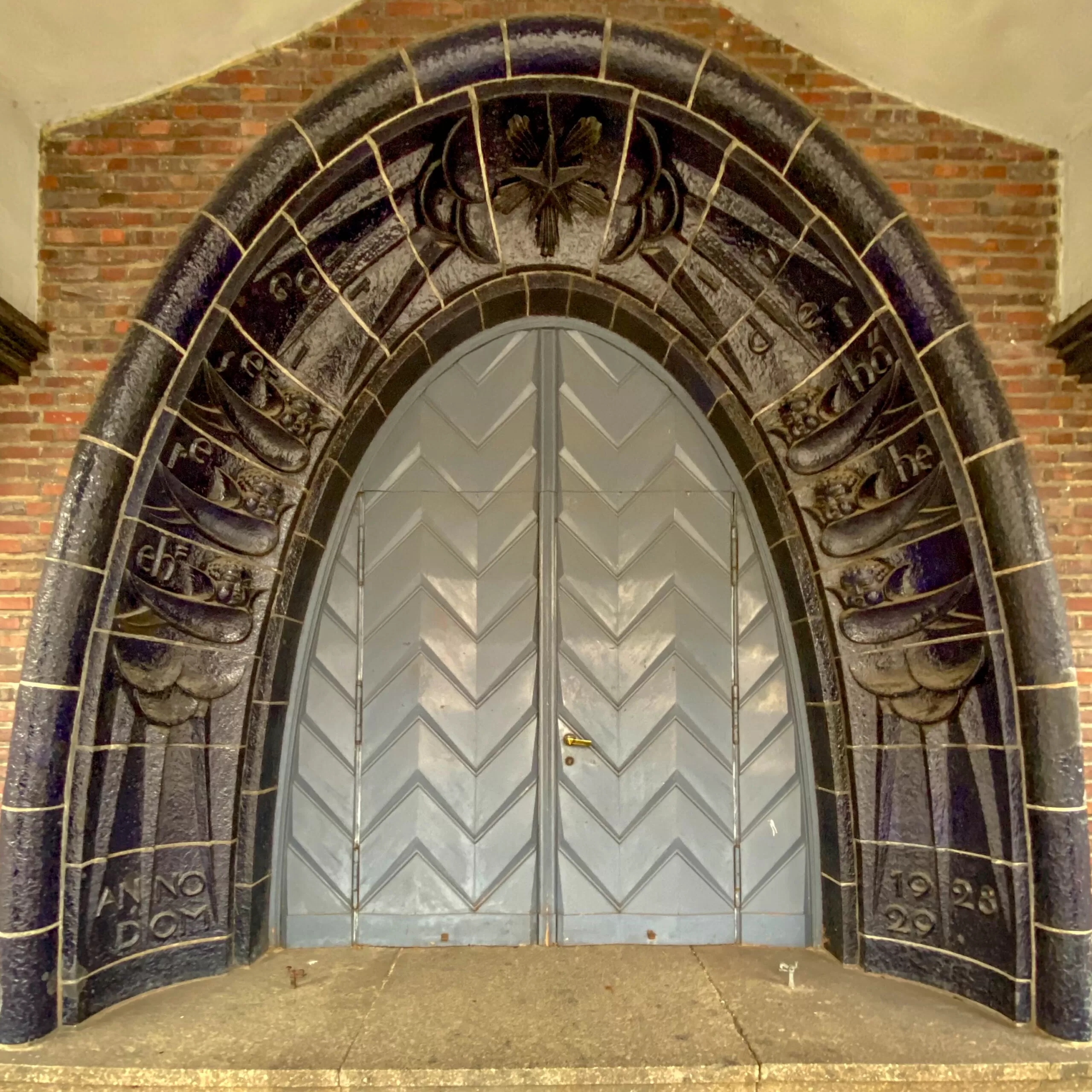
Kreuzkirche, 1927-1929. Architects: Ernst and Günther Paulus. Photo: Daniela Christmann
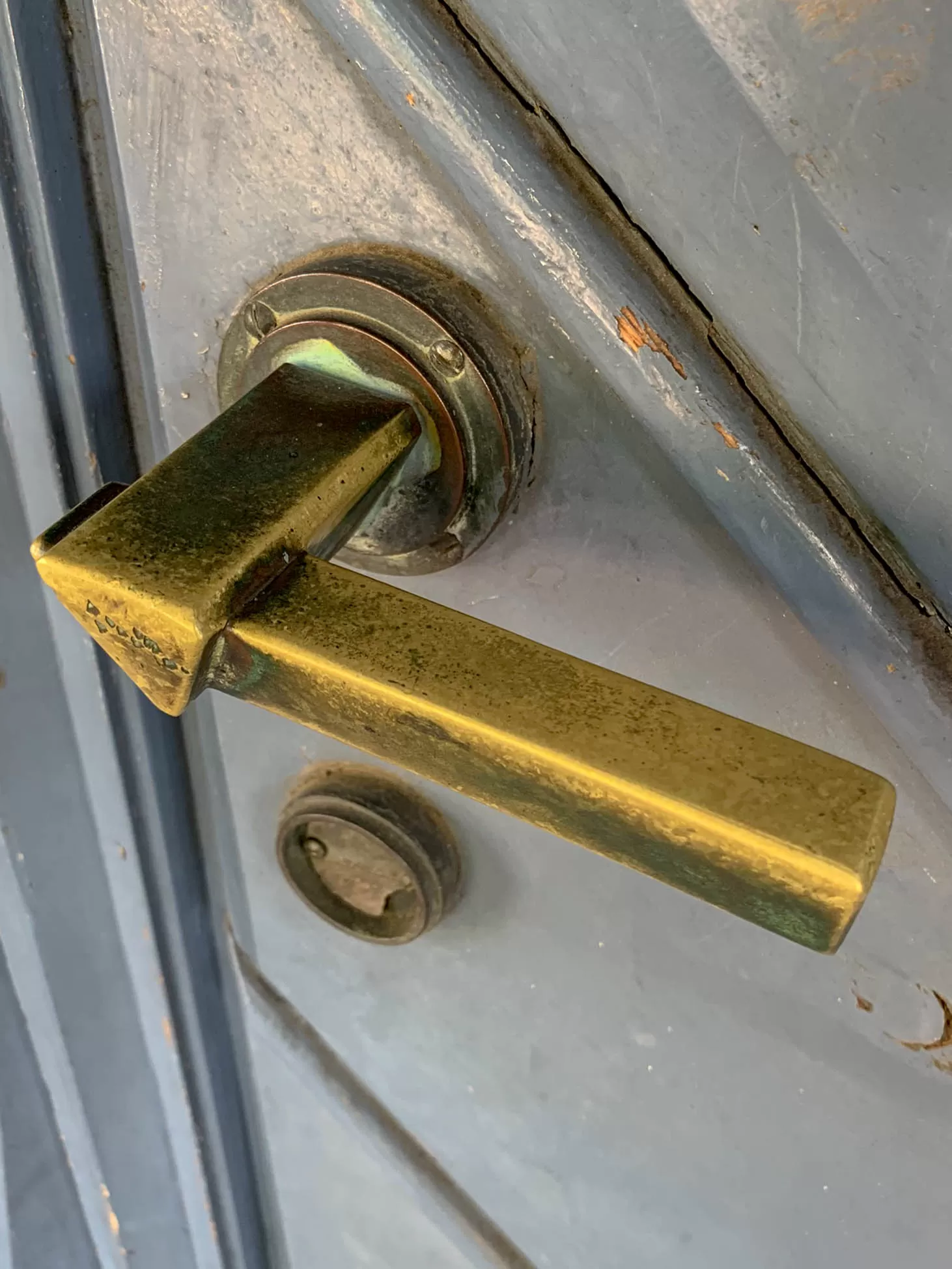
Kreuzkirche, 1927-1929. Architects: Ernst and Günther Paulus. Photo: Daniela Christmann
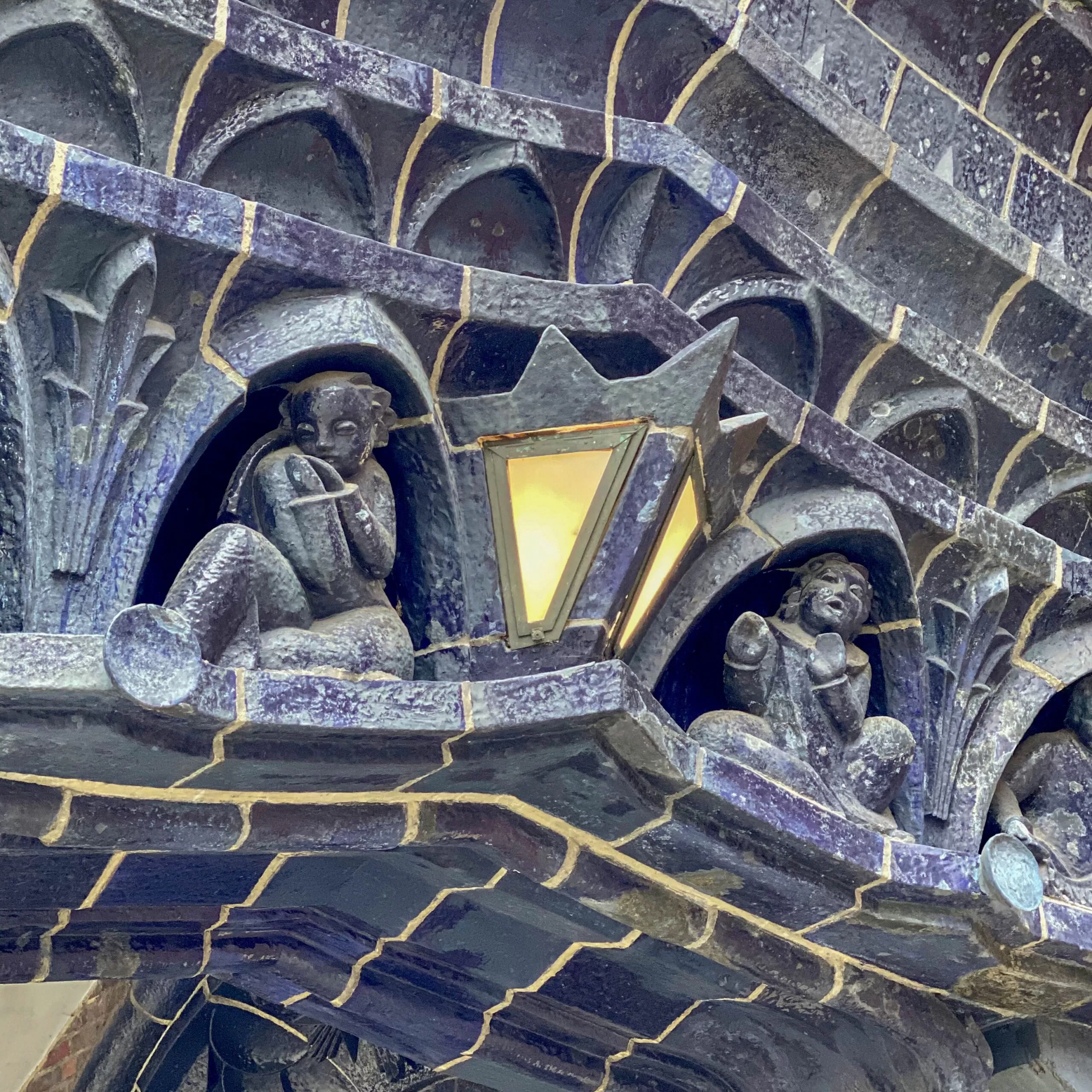
Kreuzkirche, 1927-1929. Architects: Ernst and Günther Paulus. Photo: Daniela Christmann
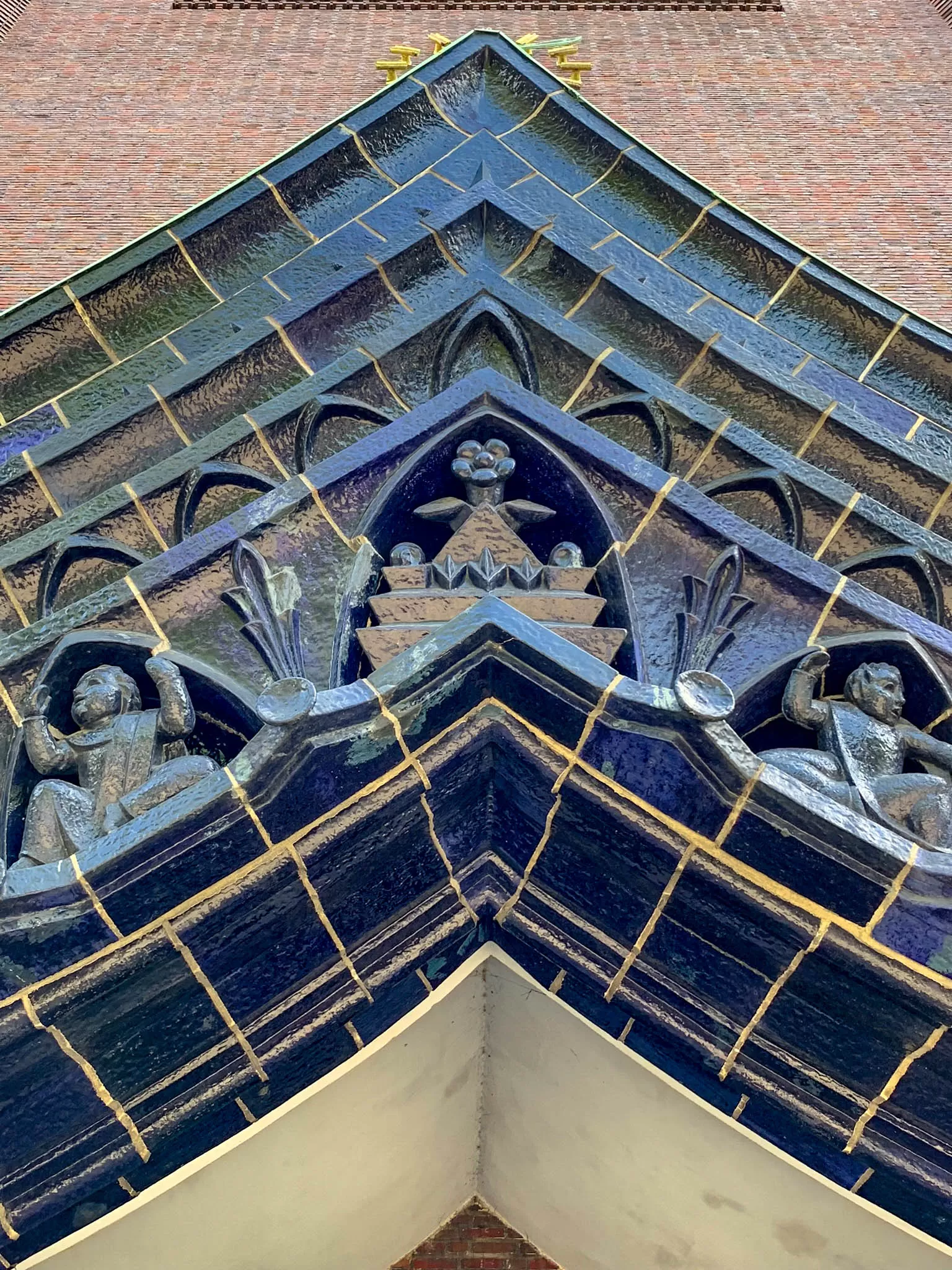
Kreuzkirche, 1927-1929. Architects: Ernst and Günther Paulus. Photo: Daniela Christmann
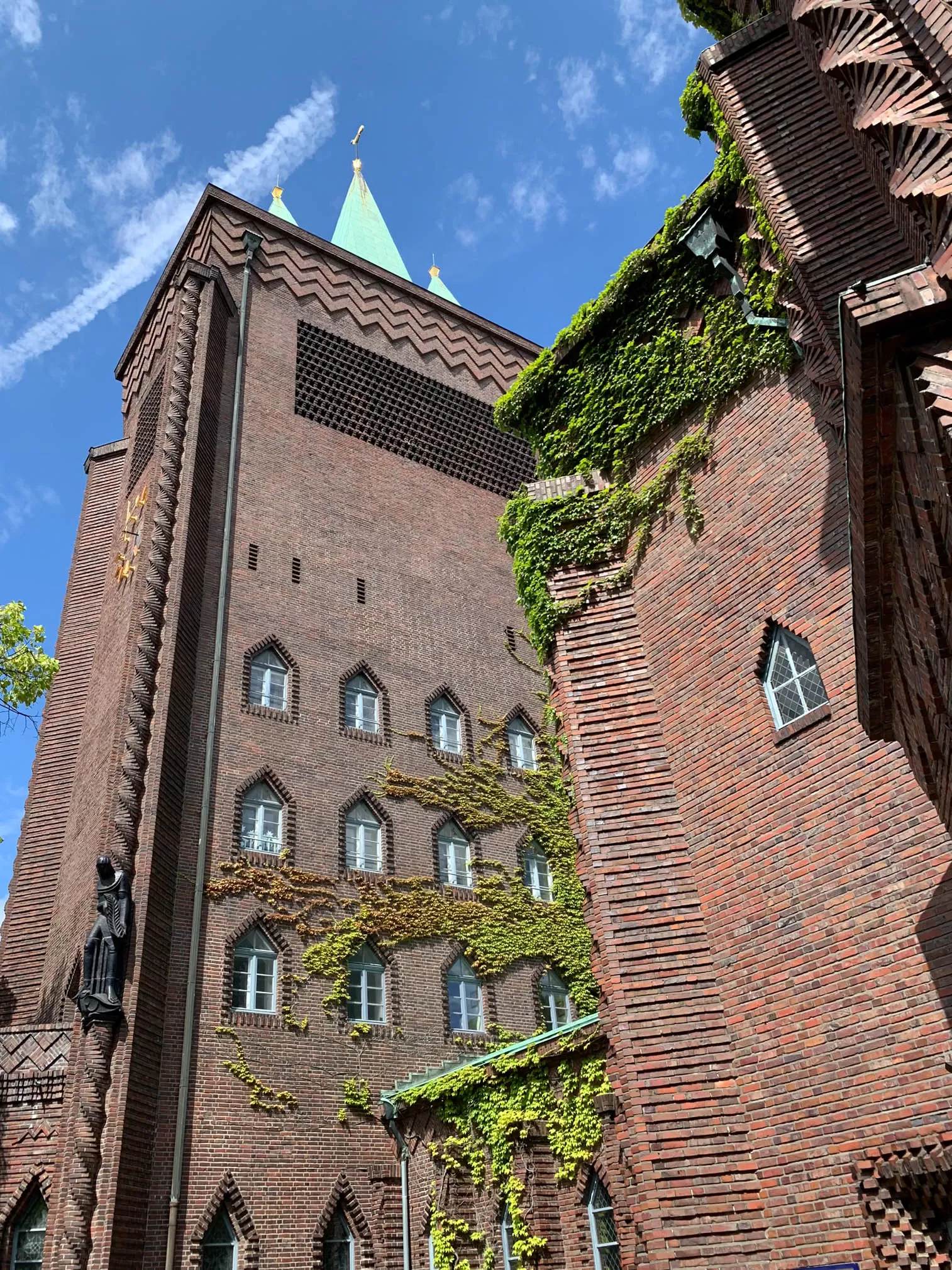
Kreuzkirche, 1927-1929. Architects: Ernst and Günther Paulus. Photo: Daniela Christmann
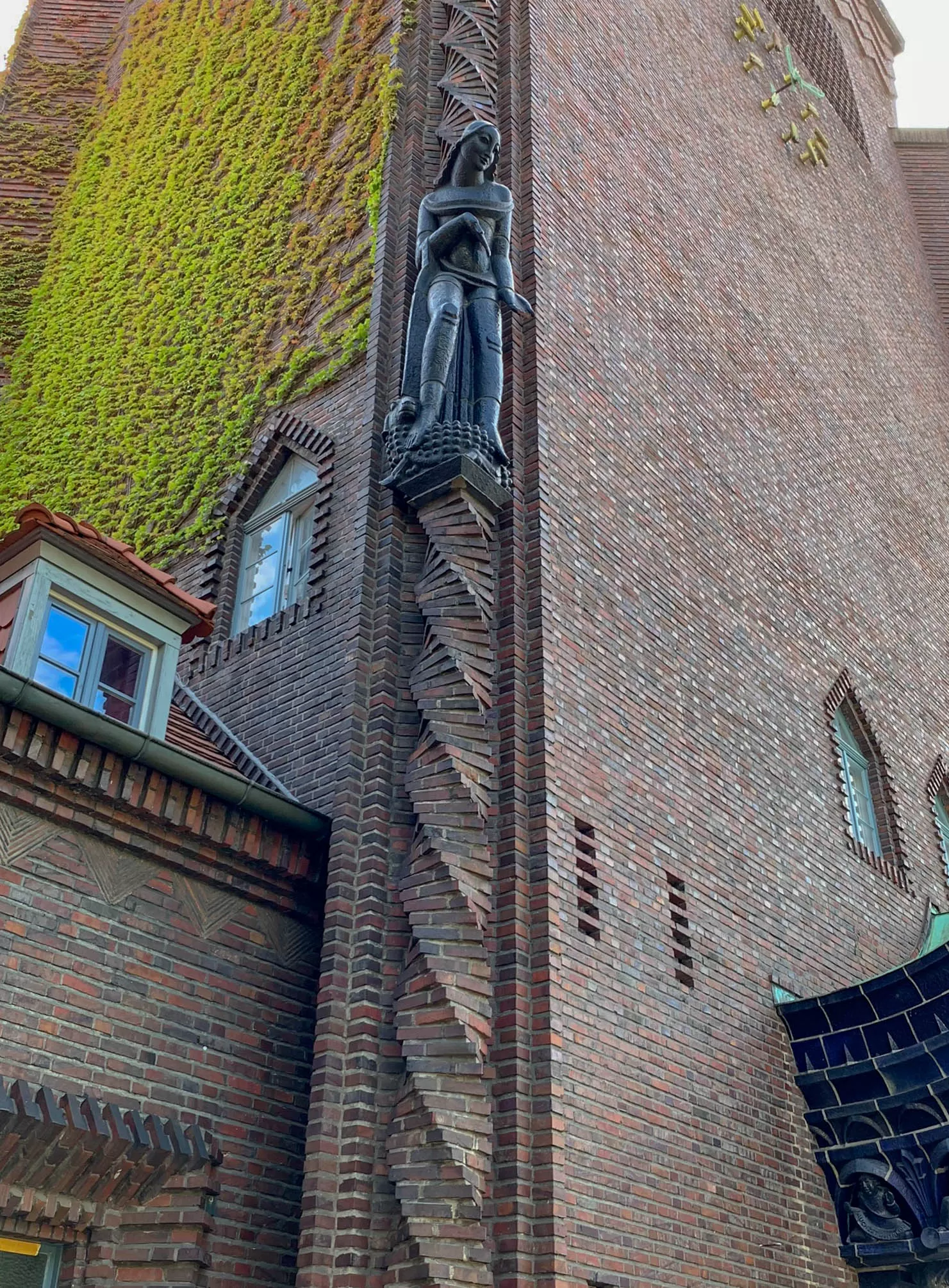
Kreuzkirche, 1927-1929. Architects: Ernst and Günther Paulus. Photo: Daniela Christmann
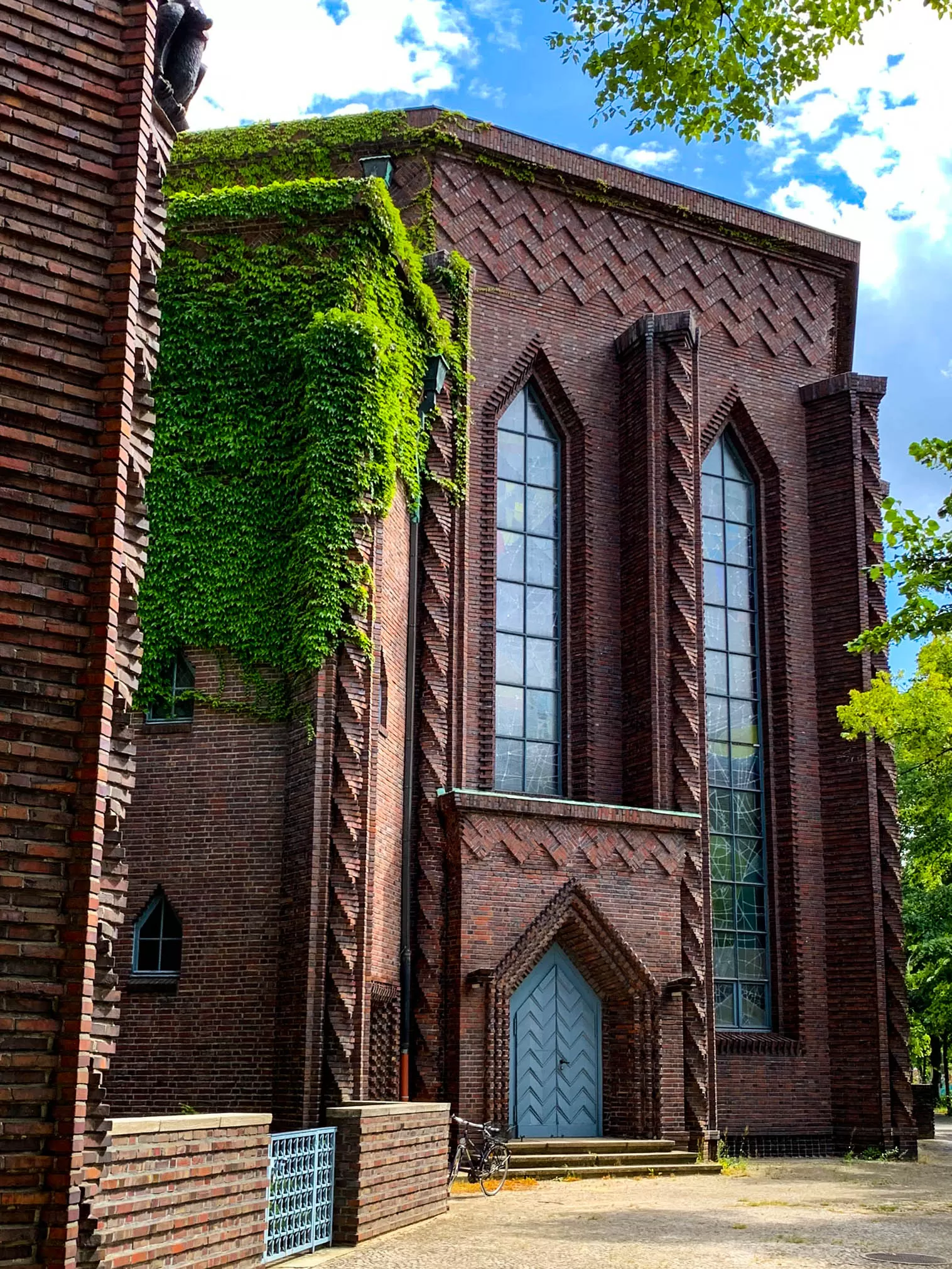
Kreuzkirche, 1927-1929. Architects: Ernst and Günther Paulus. Photo: Daniela Christmann
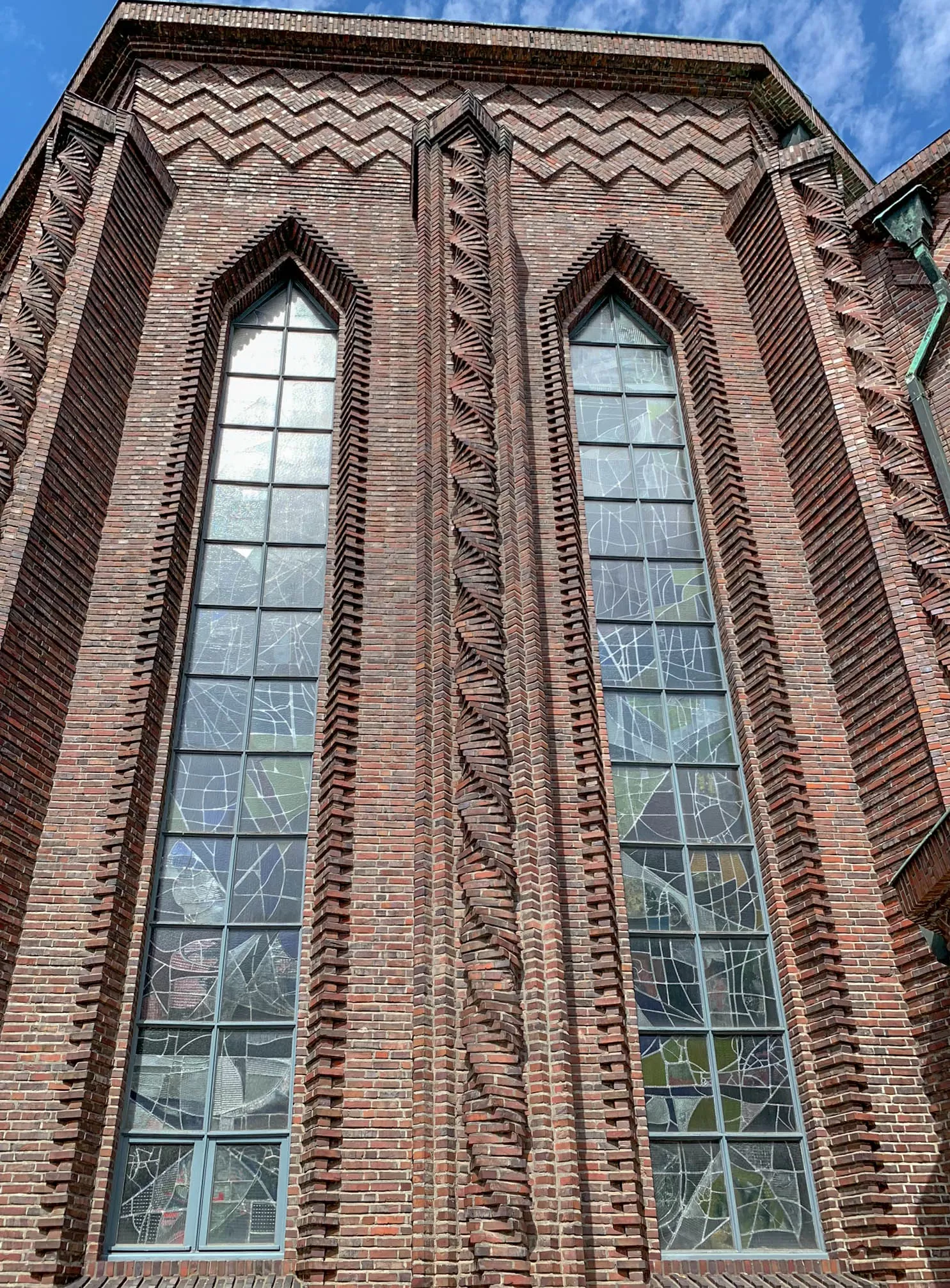
Kreuzkirche, 1927-1929. Architects: Ernst and Günther Paulus. Photo: Daniela Christmann
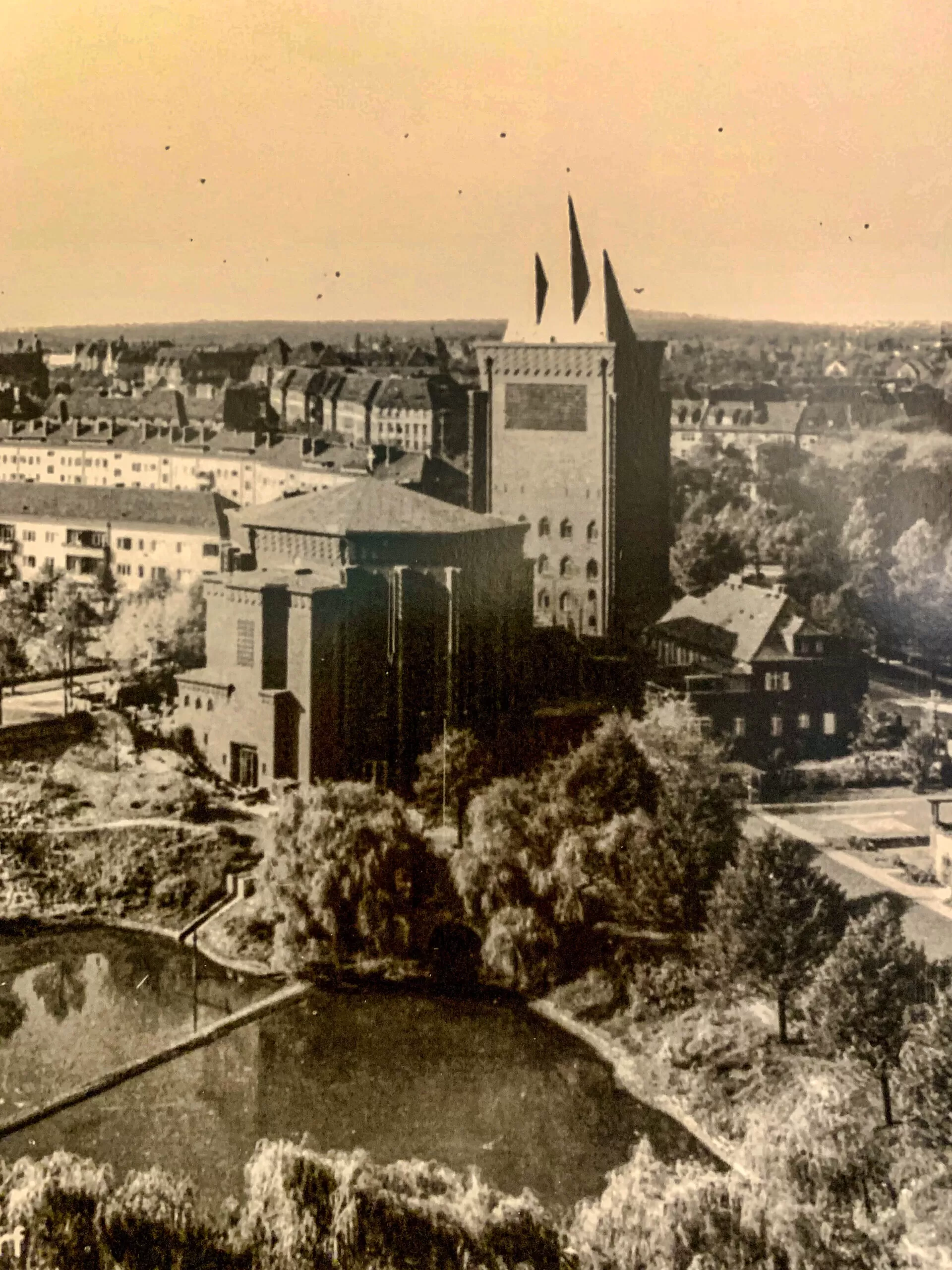
Kreuzkirche, 1927-1929. Architects: Ernst and Günther Paulus
1927 – 1929
Architects: Ernst and Günther Paulus
Hohenzollerndamm 130, Berlin, Germany
The Protestant Church of the Holy Cross, located at Hohenzollerndamm in the Berlin district of Schmargendorf, was completed alongside the adjacent parsonage between 1927 and 1929, based on designs by architects Ernst and Günther Paulus.
Architects
Ernst Paulus initially worked for the architectural firm of Hans Grisebach and August Dinklage in Berlin.
When Grisebach left in 1901, Dinklage made Paulus his new partner, and the firm was became known as ‘Dinklage and Paulus’.
In 1910, Dinklage left this firm, Paulus continued it with a new partner, Olaf Lilloe.
In 1925, Paulus ended the cooperation with Lilloe and founded a new office with his son, Günther Paulus.
This partnership continued until Ernst Paulus’s death in 1936.
Kreuzkirche
Ernst Paulus won the competition for the Schmargendorf church as early as 1911.
Construction was scheduled to begin in 1916, but it was halted due to labor shortages during World War I.
The foundation stone was not laid until December 1927, by which time the building had been redesigned based on the brick expressionist architectural style.
The clinker-clad complex consists of three buildings lined up next to each other. A blue-glazed pagoda porch designed by the sculptor Felix Kupsch opens up the west side of the complex.
The bell tower adjoins the rectory and the sexton’s office on one side and a cloister connecting the tower with the domed church on the other.
Notable features of the façade are the zigzag friezes and spiral bars of Oldenburg clinker.
Interior
The octagonal interior features a zigzag pattern painted on it that largely corresponds to the original wall painting.
It was originally executed in stronger colors according to a design by Erich Wolde. The blue of the pews is the only original color that remains.
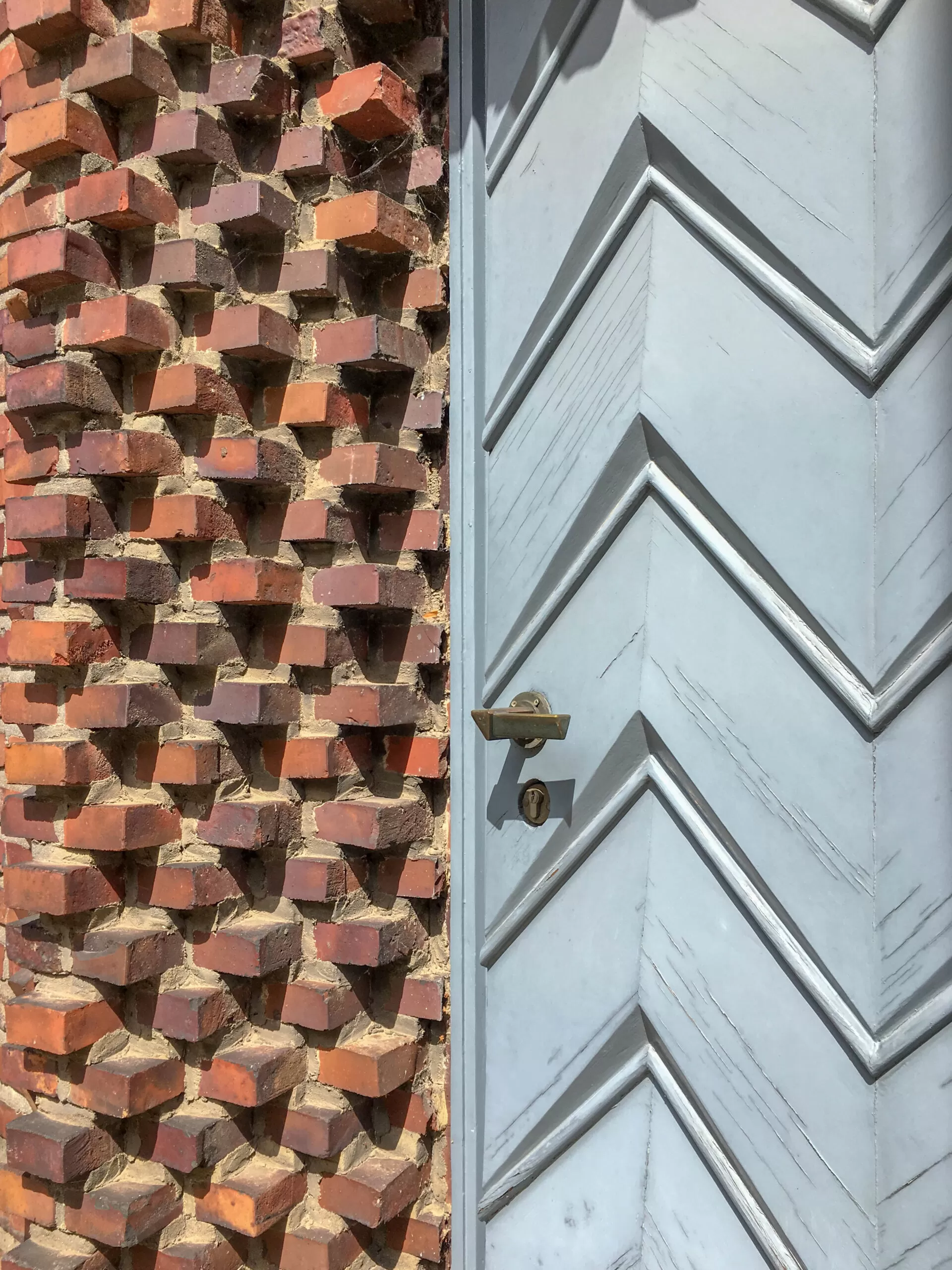
Kreuzkirche, 1927-1929. Architects: Ernst and Günther Paulus. Photo: Daniela Christmann
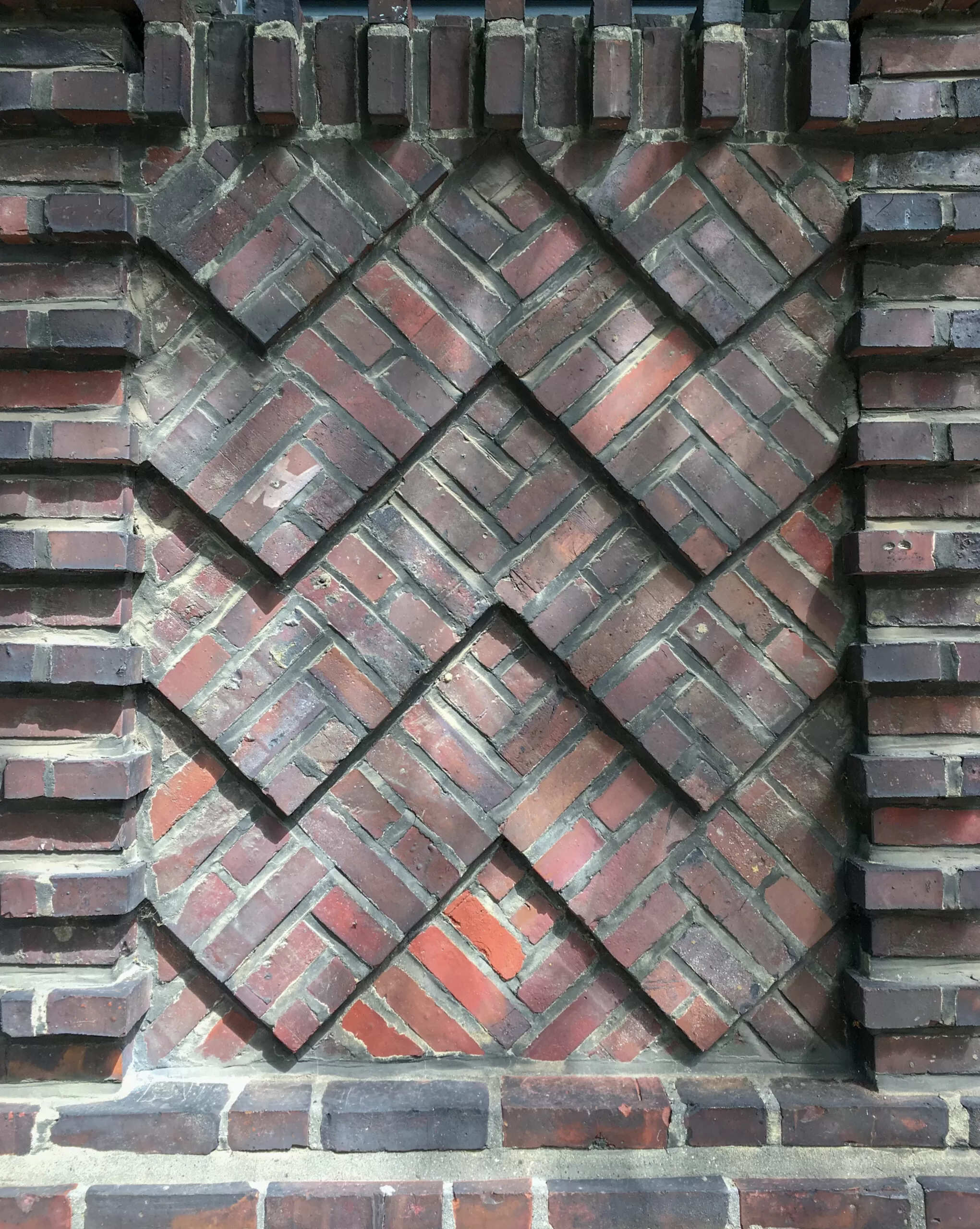
Kreuzkirche, 1927-1929. Architects: Ernst and Günther Paulus. Photo: Daniela Christmann
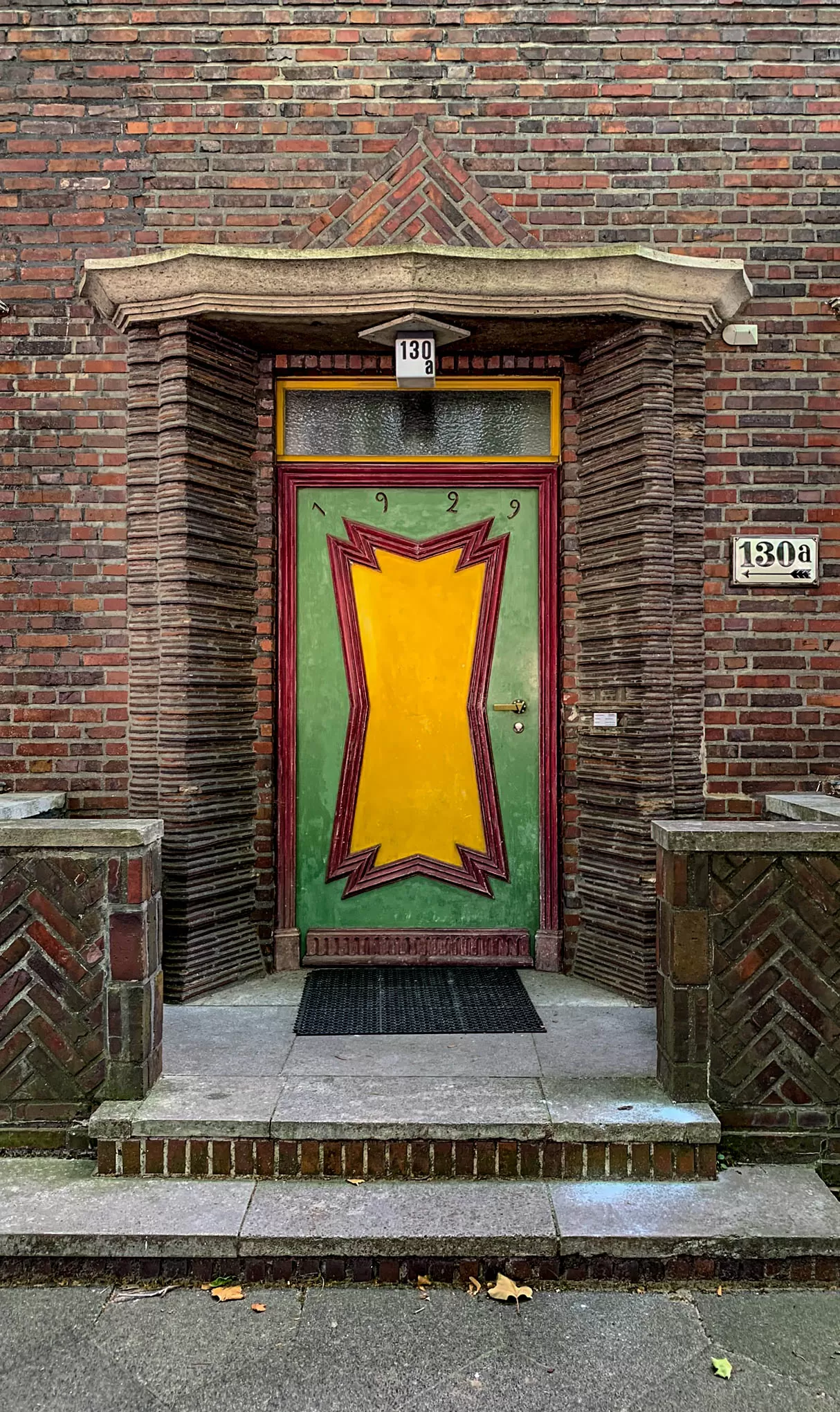
Kreuzkirche, 1927-1929. Architects: Ernst and Günther Paulus. Photo: Daniela Christmann
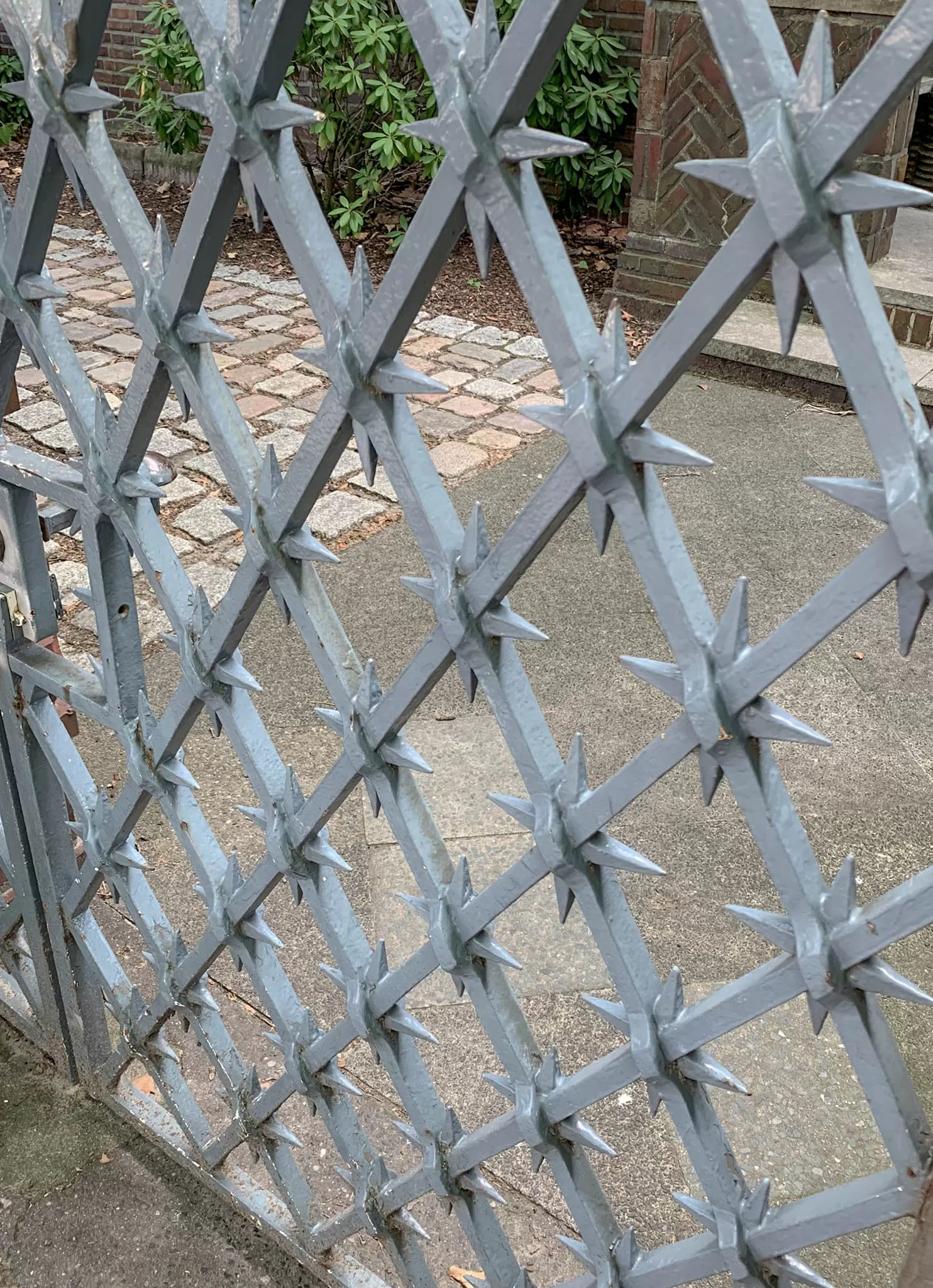
Kreuzkirche, 1927-1929. Architects: Ernst and Günther Paulus. Photo: Daniela Christmann
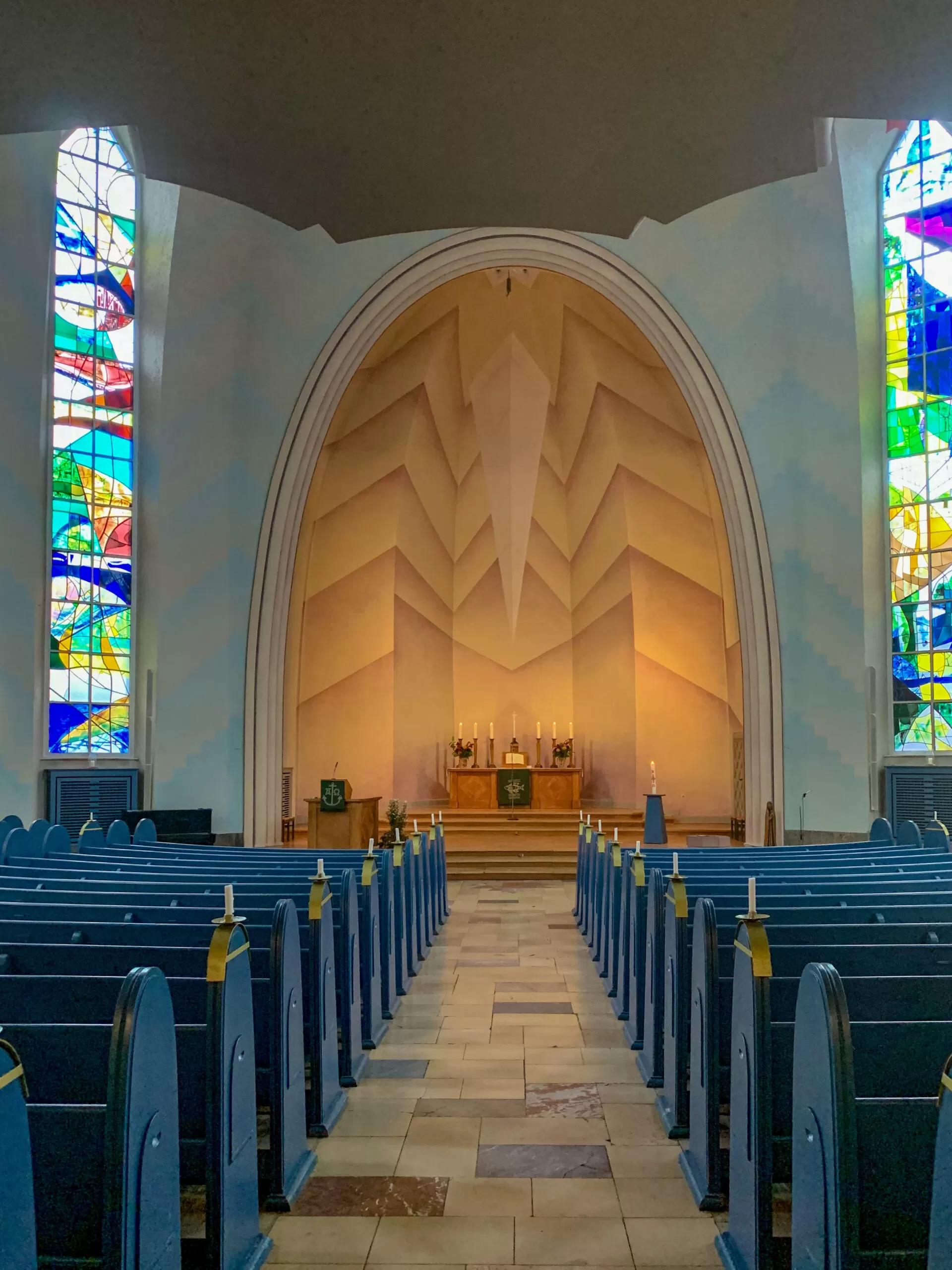
Kreuzkirche, 1927-1929. Architects: Ernst and Günther Paulus. Photo: Daniela Christmann
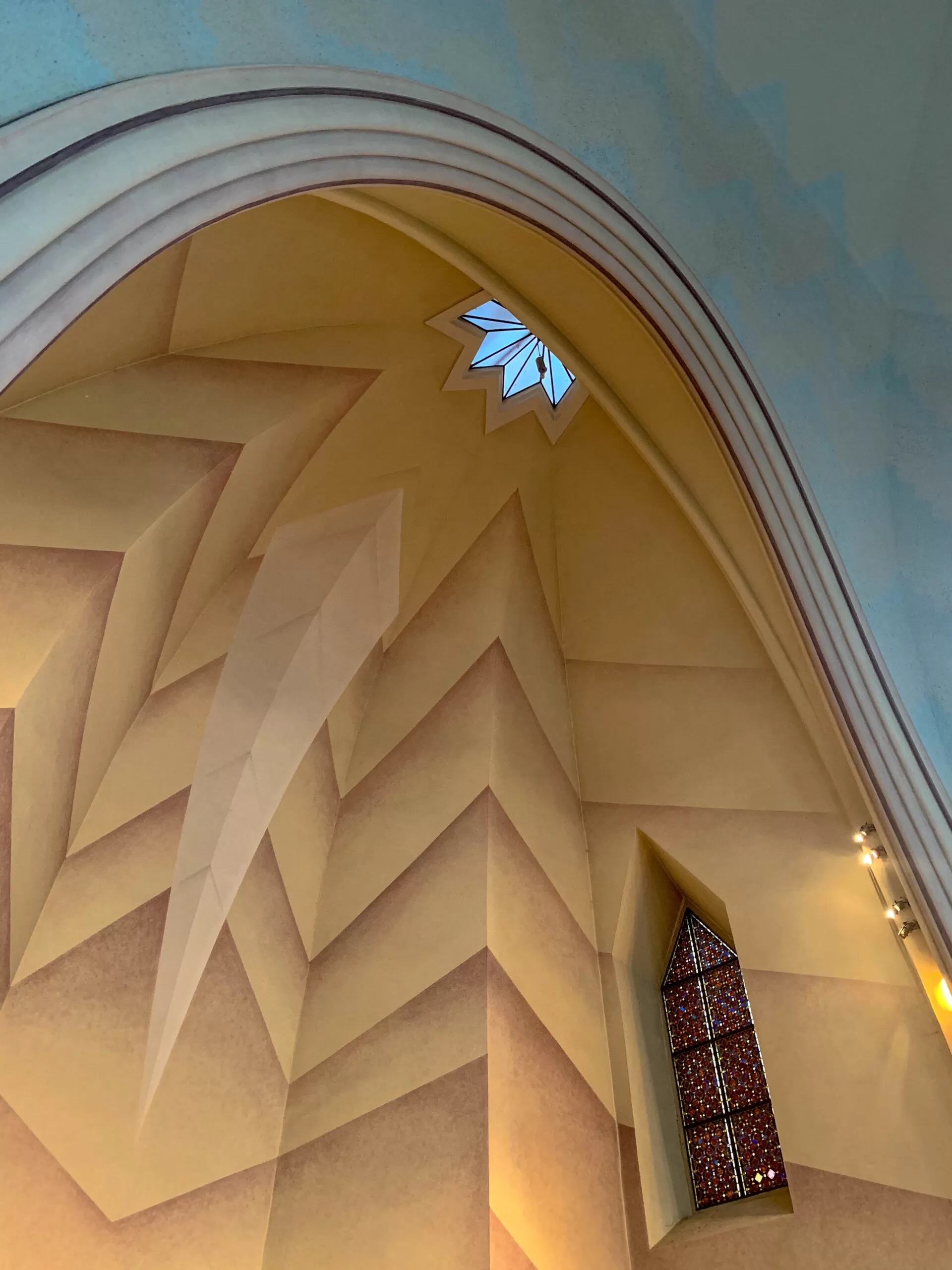
Kreuzkirche, 1927-1929. Architects: Ernst and Günther Paulus. Photo: Daniela Christmann
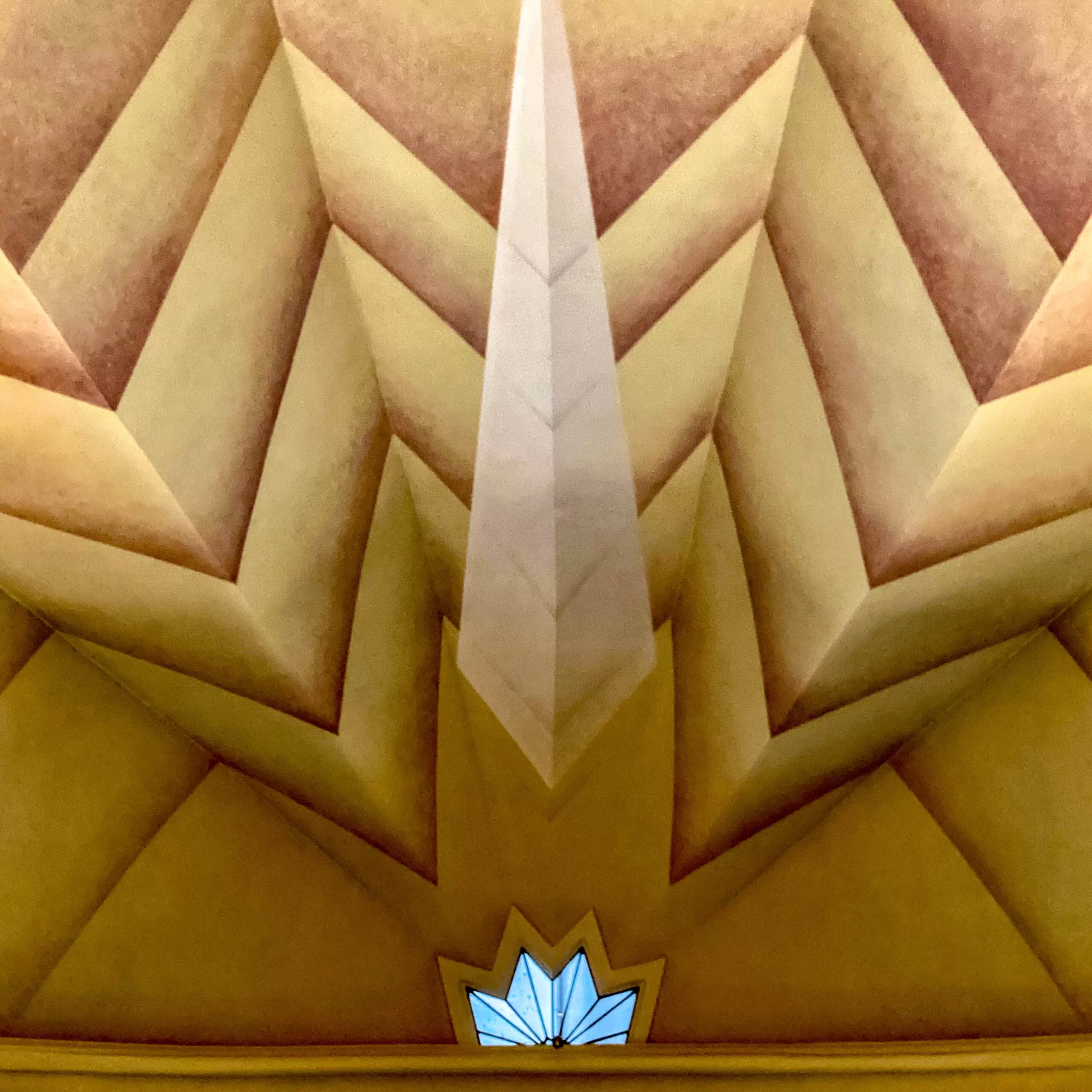
Kreuzkirche, 1927-1929. Architects: Ernst and Günther Paulus. Photo: Daniela Christmann
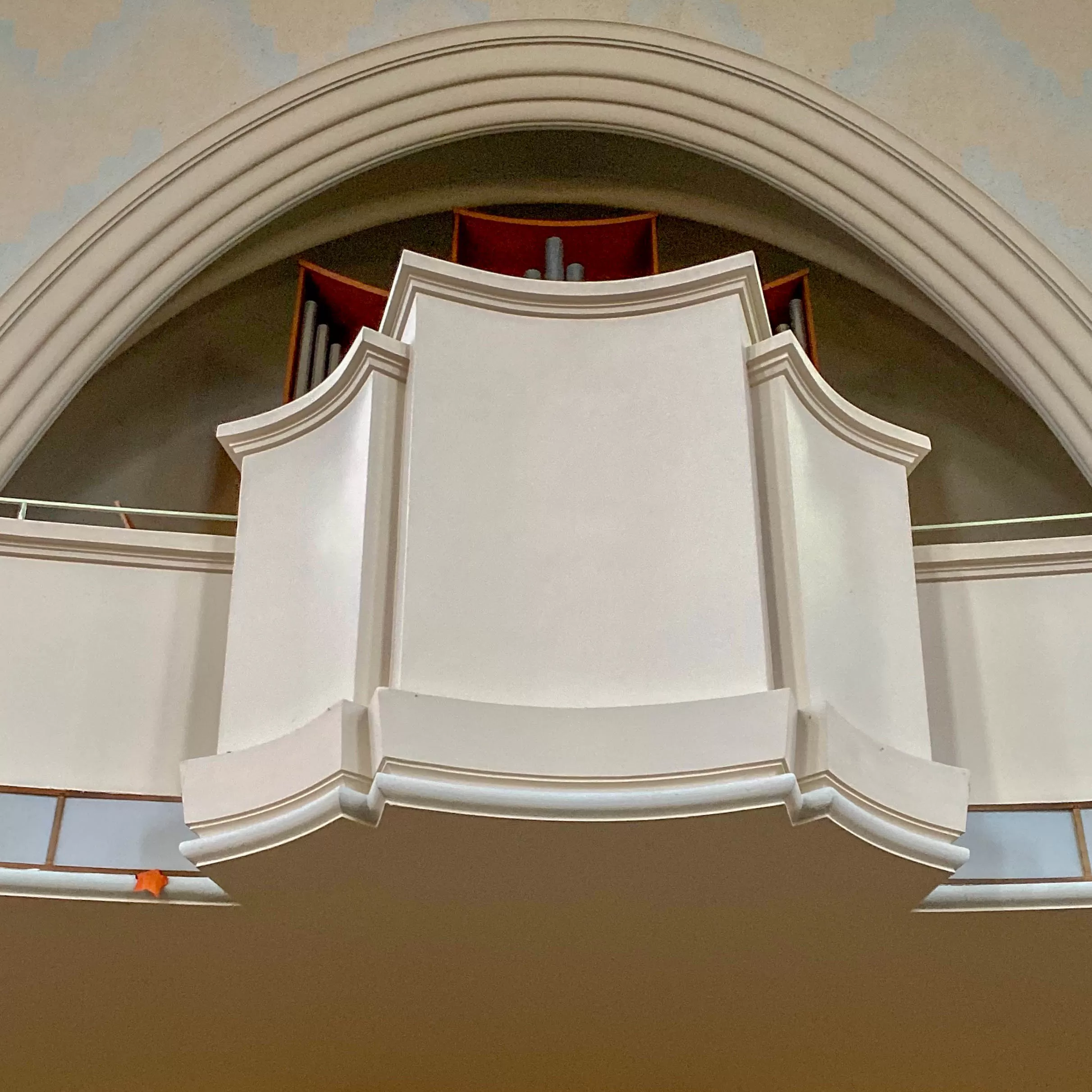
Kreuzkirche, 1927-1929. Architects: Ernst and Günther Paulus. Photo: Daniela Christmann
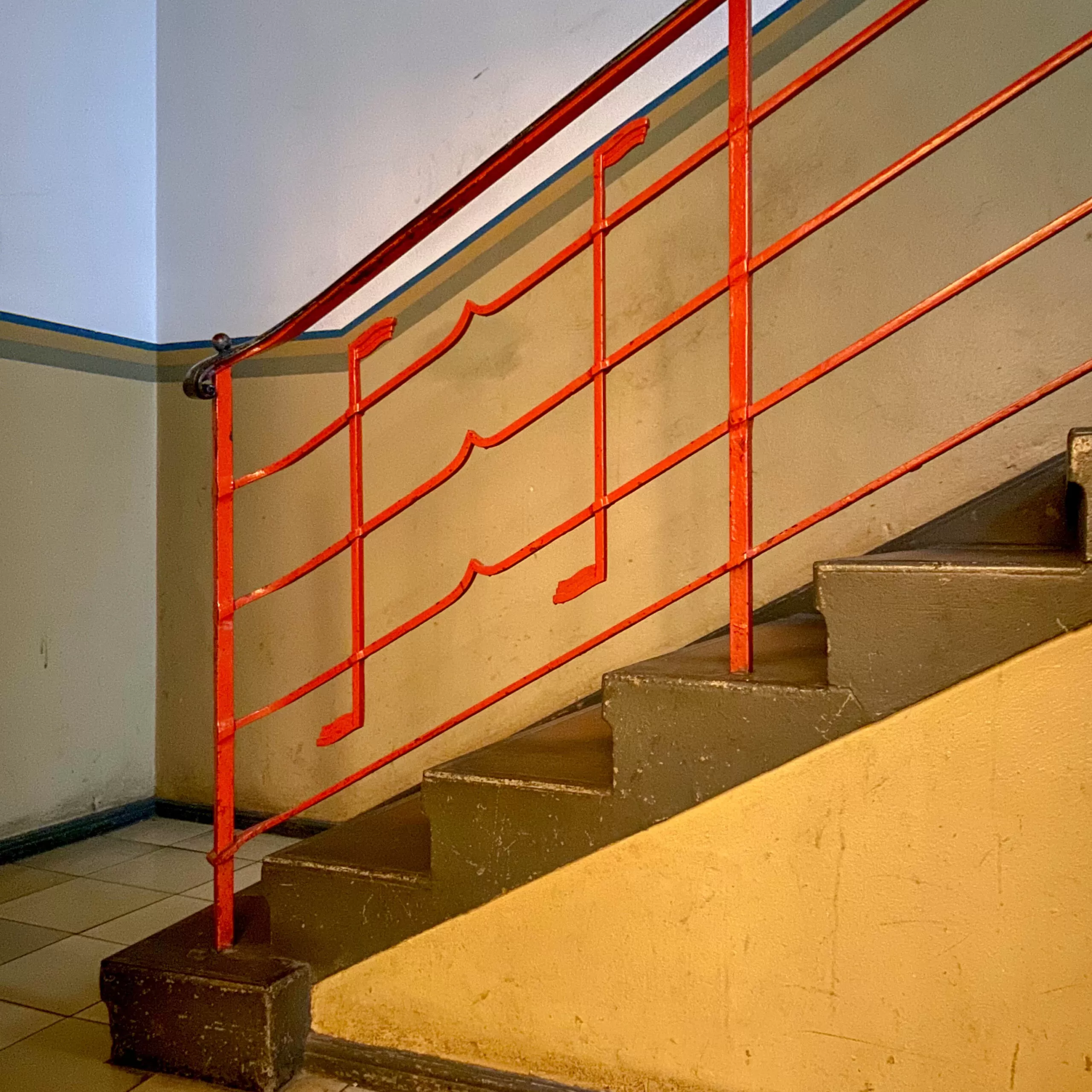
Kreuzkirche, 1927-1929. Architects: Ernst and Günther Paulus. Photo: Daniela Christmann