
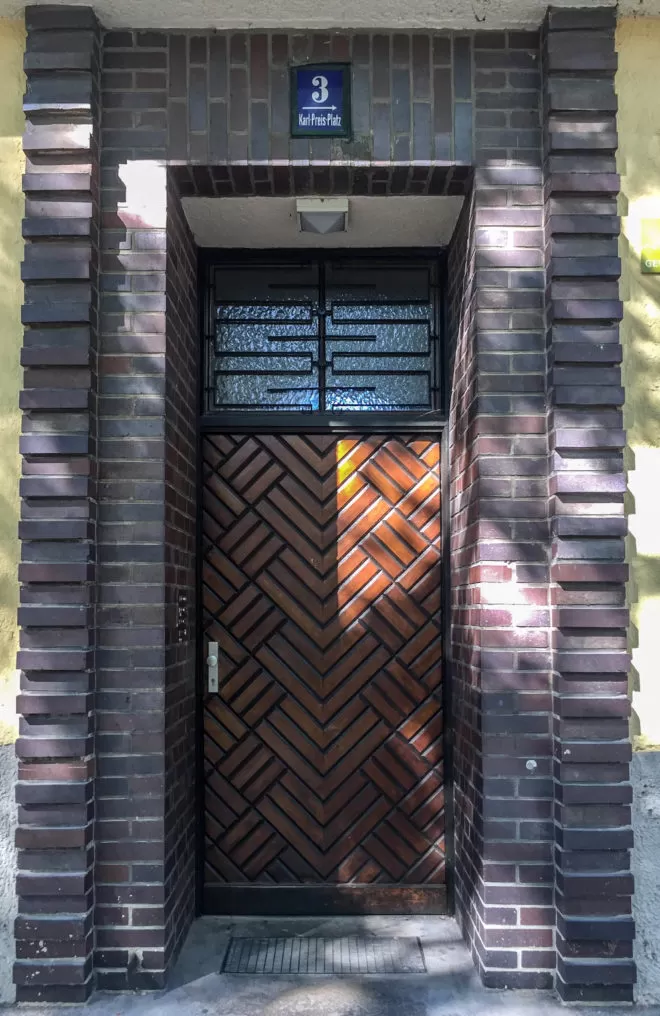
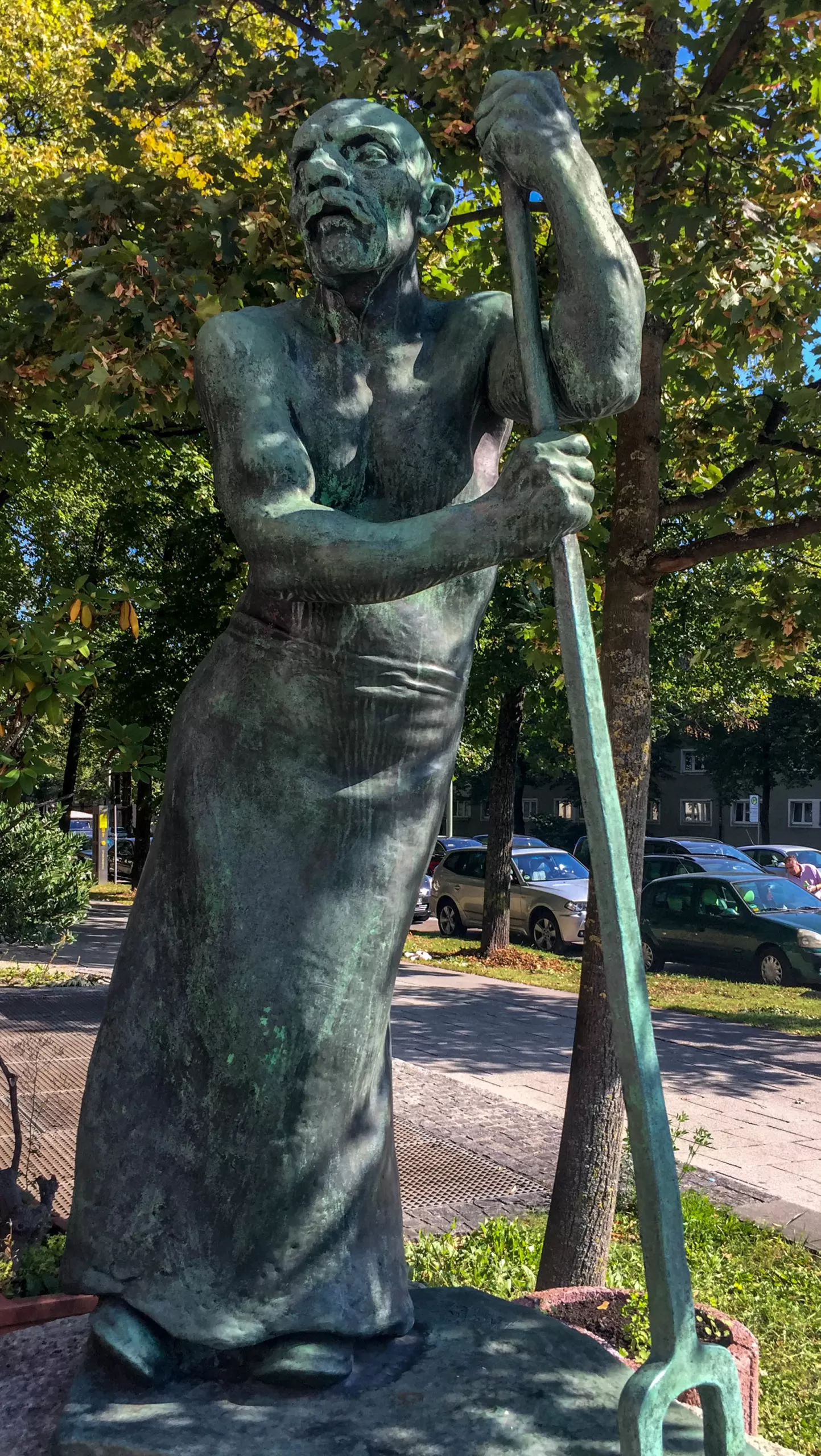
Fritz Koelle, The Furnace Worker, 1930. Neuramersdorf Estate, 1928-1930. Photo: Daniela Christmann
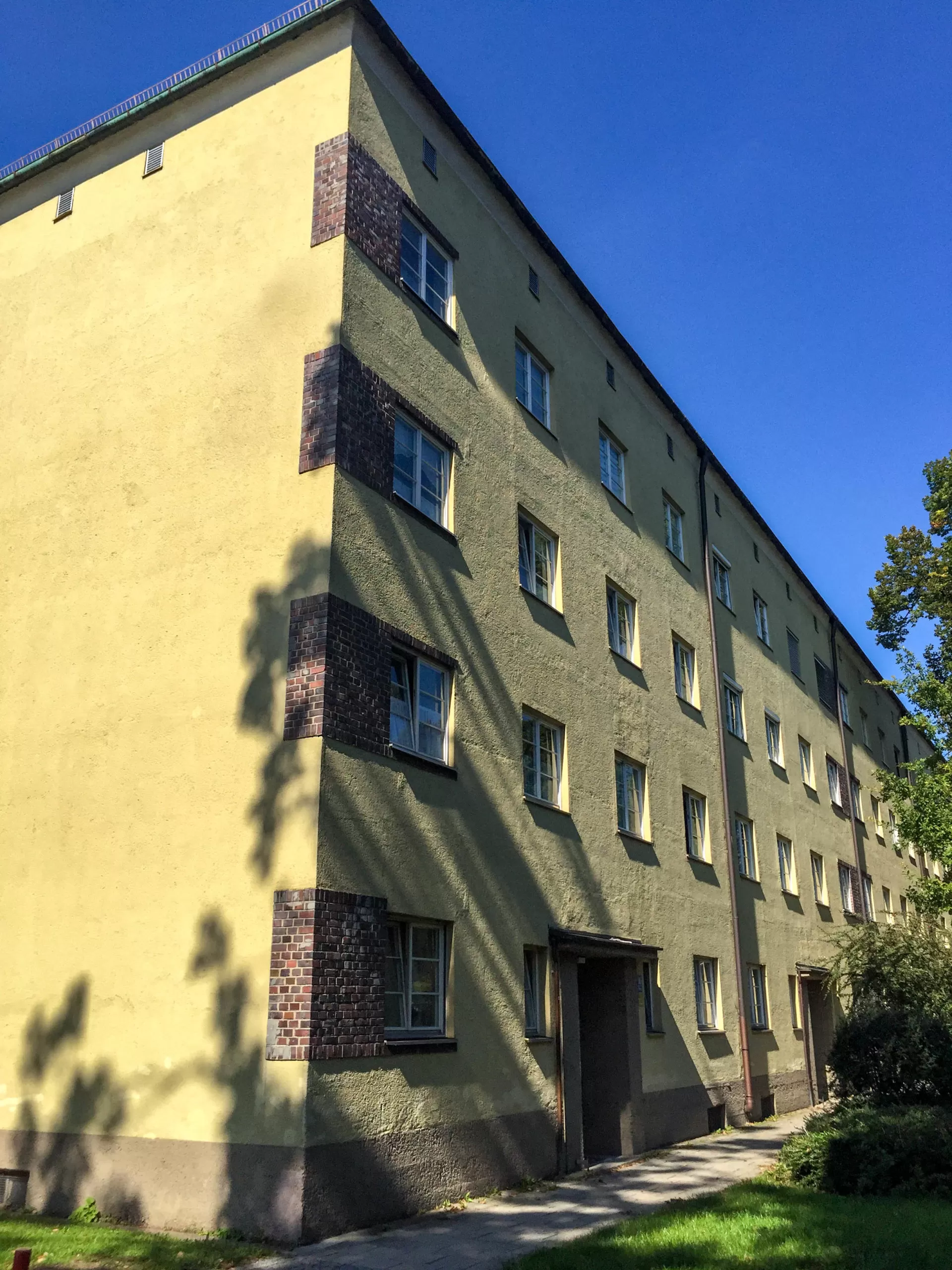
Neuramersdorf Estate, 1928-1930. Architects: Oscar Delisle, Bernard Ingwersen, Richard Berndl. Photo: Daniela Christmann
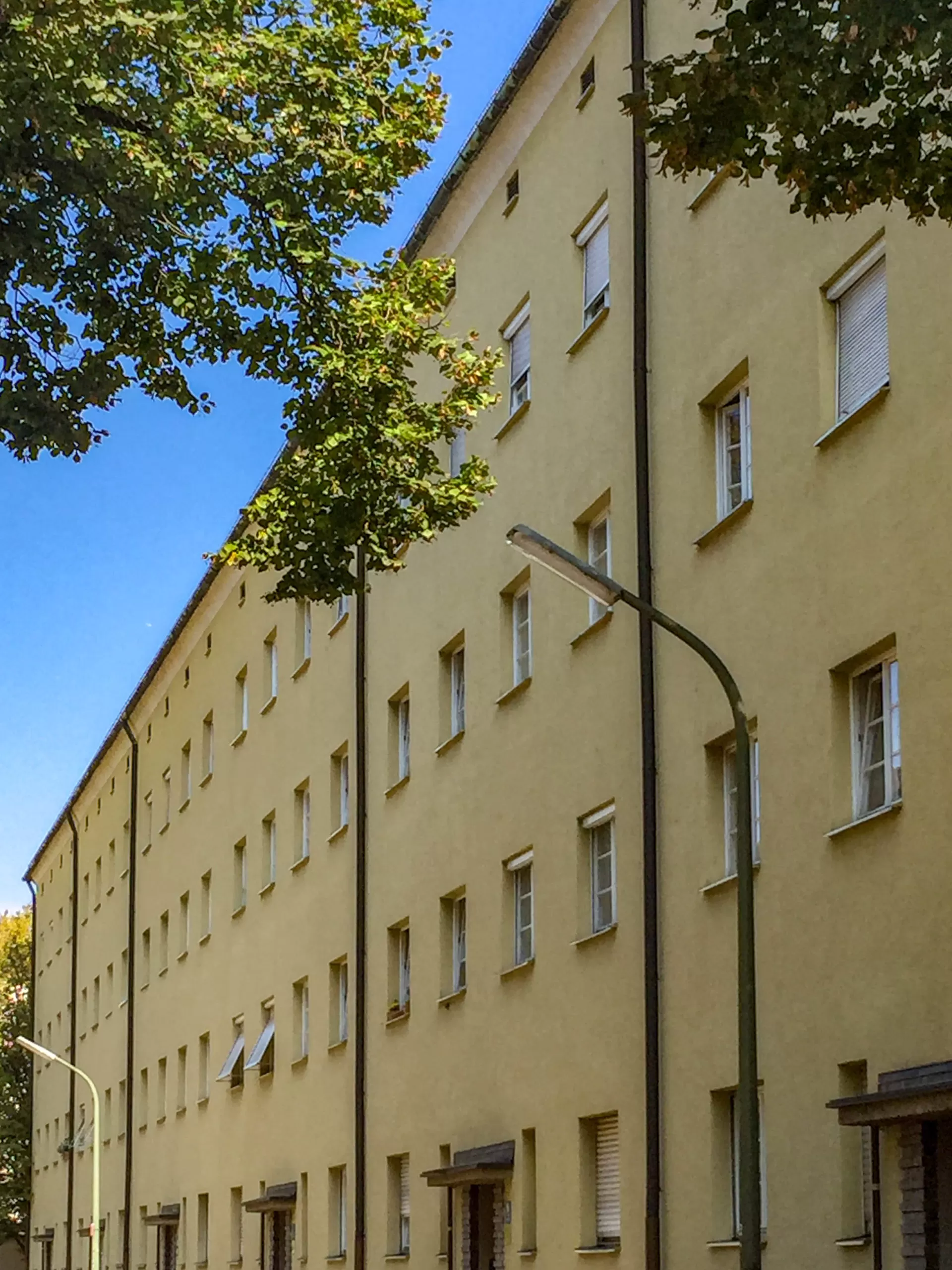
Neuramersdorf Estate, 1928-1930. Architects: Oscar Delisle, Bernard Ingwersen, Richard Berndl. Photo: Daniela Christmann
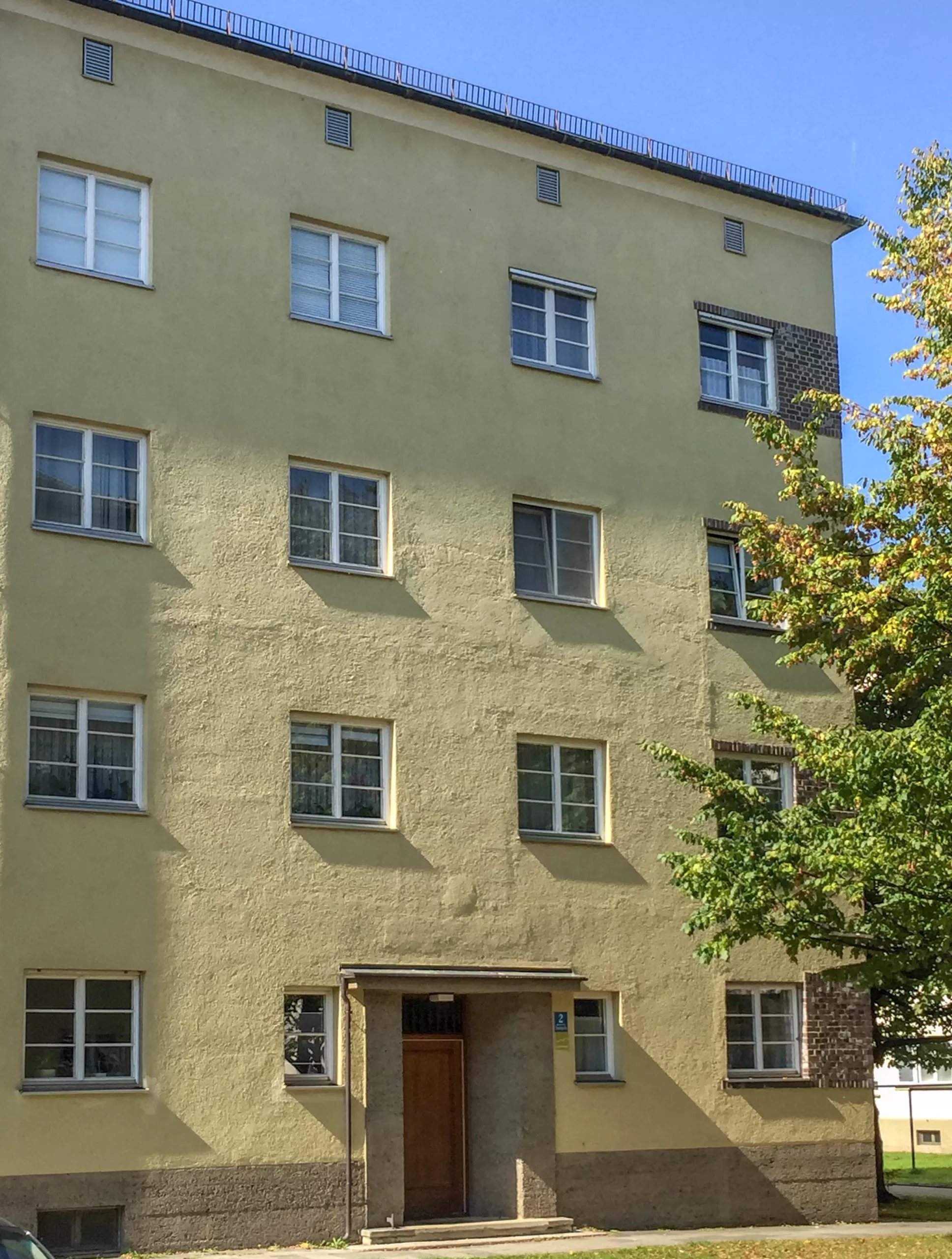
Neuramersdorf Estate, 1928-1930. Architects: Oscar Delisle, Bernard Ingwersen, Richard Berndl. Photo: Daniela Christmann
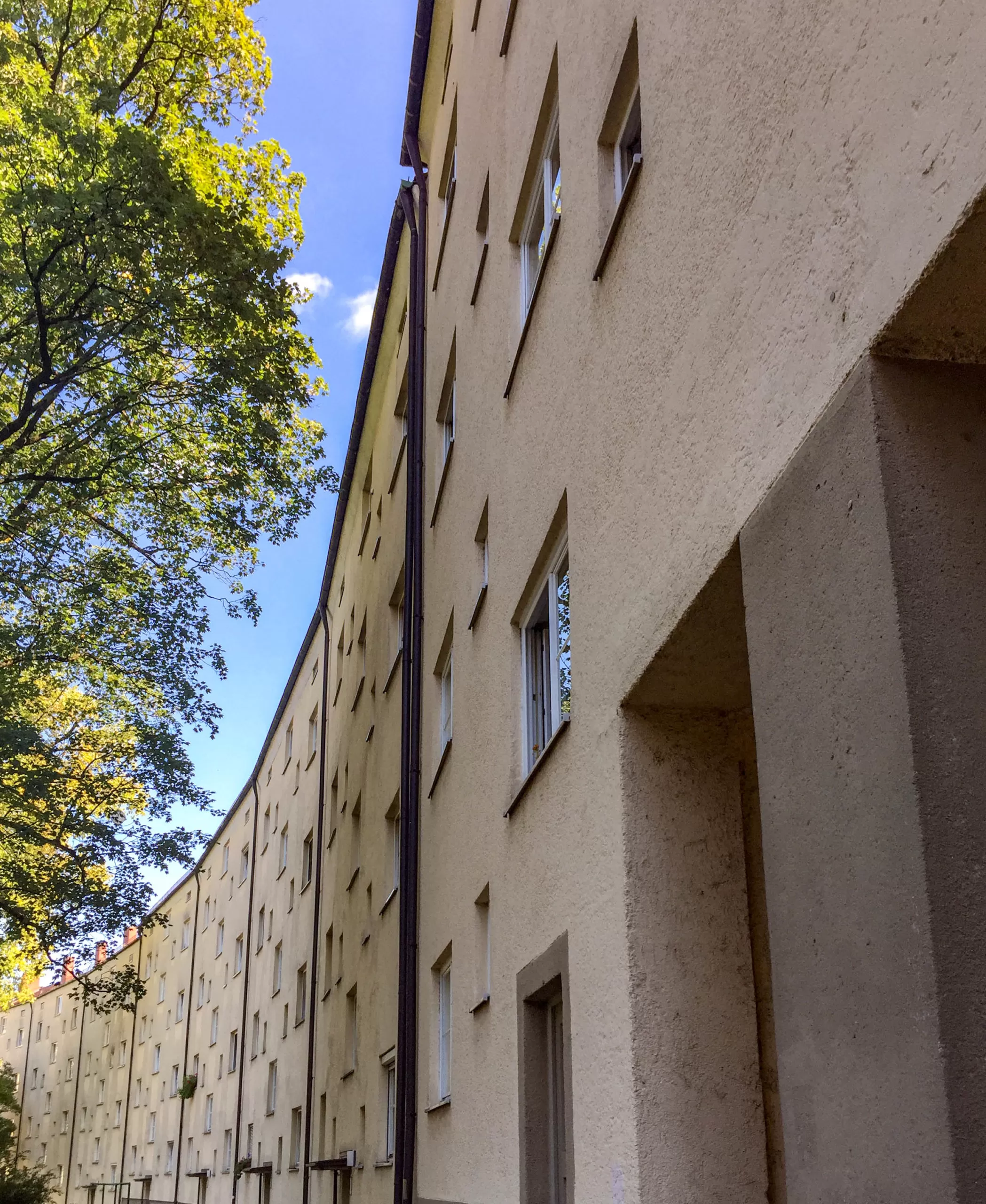
Neuramersdorf Estate, 1928-1930. Architects: Oscar Delisle, Bernard Ingwersen, Richard Berndl. Photo: Daniela Christmann
1928 – 1930
Architects: Oscar Delisle, Bernhard Ingwersen, Richard Berndl
Anzinger Straße, Rosenheimer Straße, Wollanistraße, Karl-Preis-Platz, Munich, Germany
Neuramersdorf housing estate in Berg am Laim, Munich, was completed between 1928 and 1930 based on designs by architects Oscar Delisle, Berhard Ingwersen, and Richard Berndl.
Munich Housing Estates
It was the largest of a total of five large housing estates built in Munich during the 1920s.
Karl Preis
Karl Preis initiated a building program aimed at alleviating the housing shortage in Munich.
After World War I ended, economic depression, housing shortages, and the need for socially just housing affected not only Munich but also all major cities in Germany.
In 1917, Munich established a housing department to efficiently address the shortage.
Neuramersdorf Estate
From the 1924 currency reform until the Great Depression, there was a significant increase in construction projects. The state and municipalities provided loans to building cooperatives to construct large neighborhoods and alleviate the housing shortage.
From 1918 to 1927, the city of Munich built about 14,000 apartments, including two homes for single people and one for senior citizens.
Municipal Housing Company
Each of the five large housing estates planned by the municipal housing company GEWOFAG was preceded by an architectural competition. The invitation to tender called for the greatest possible economic efficiency, standardized construction types, architectural uniformity (plastered brick construction, box-type windows, and sloping roofs), and standardized floor plans.
The original plans called for 3,500 apartments, but the Great Depression put an end to them. By 1930, approximately 1,400 apartments had been completed.
Urban planning and Design
Neuramersdorf is divided into two subareas that converge at the intersection of Anzinger Straße and Melusinenstraße/Aschheimerstrasse.
A four-story perimeter development shields the north-south-oriented rows from the main traffic arteries.
Inside the block structures, the arrangement of the individual rows forms traffic-calmed streets and residential courtyards. The apartments’ floor plans were designed according to four types.
Fritz Koelle
The life-size bronze sculpture “Der Blockwalzer” by Fritz Koelle from 1930 stands at Karl-Preis-Platz.
The artwork has only been back on the former Melusinenplatz, now known as Karl-Preis-Platz, since 1976. The National Socialists removed it in 1933 as an example of so-called “Bolshevik art appreciation.”
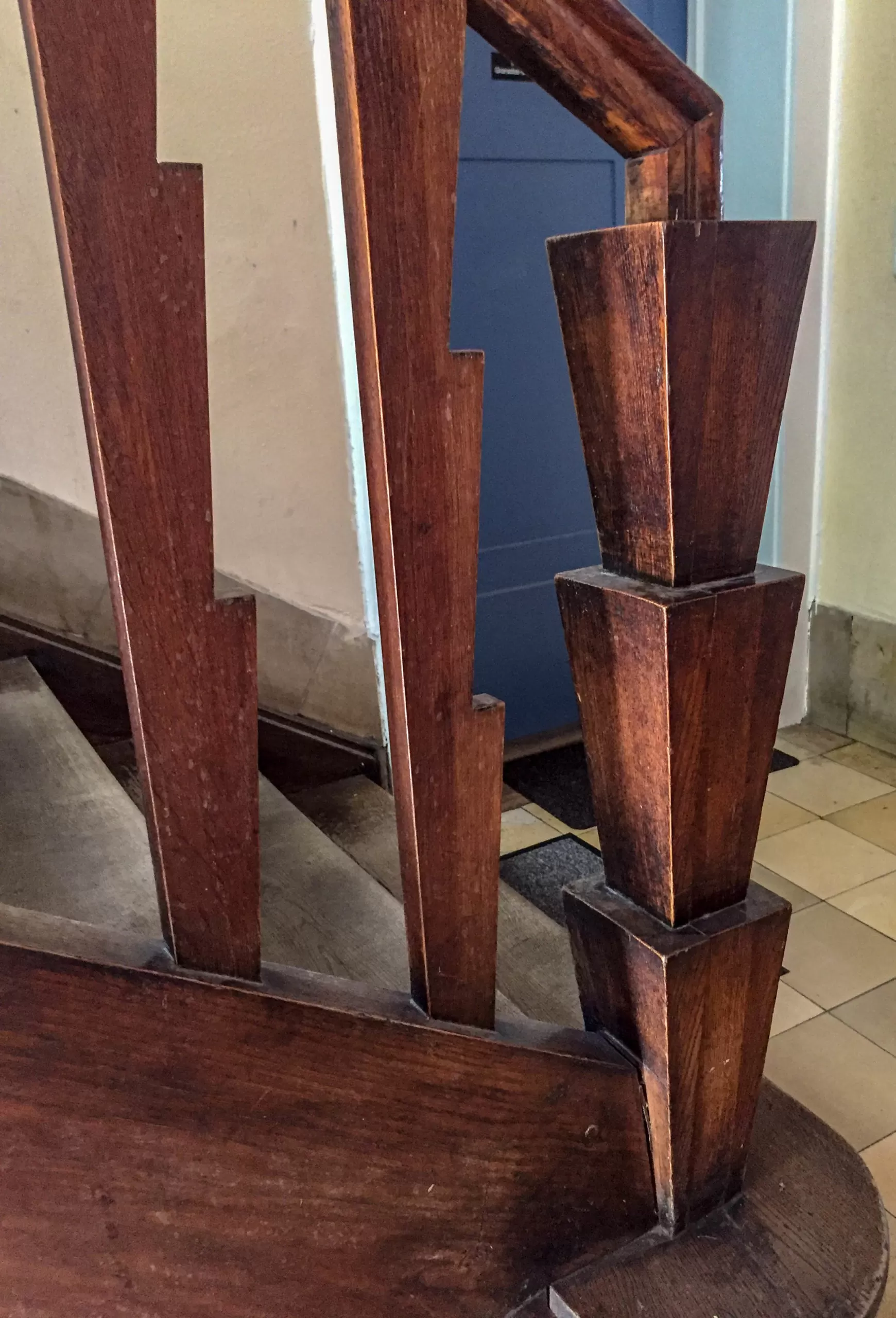
Neuramersdorf Estate, 1928-1930. Architects: Oscar Delisle, Bernard Ingwersen, Richard Berndl. Photo: Daniela Christmann
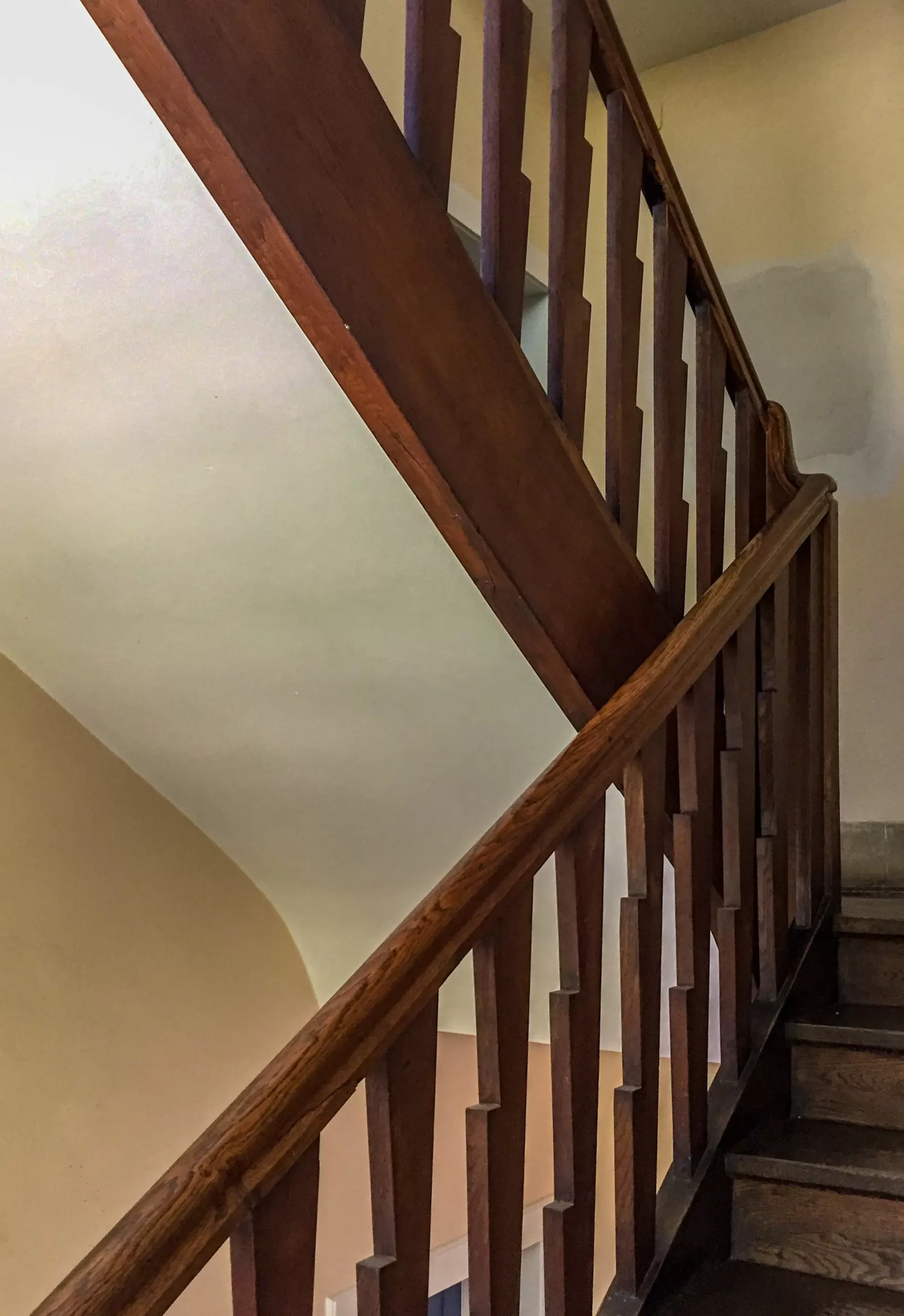
Neuramersdorf Estate, 1928-1930. Architects: Oscar Delisle, Bernard Ingwersen, Richard Berndl. Photo: Daniela Christmann
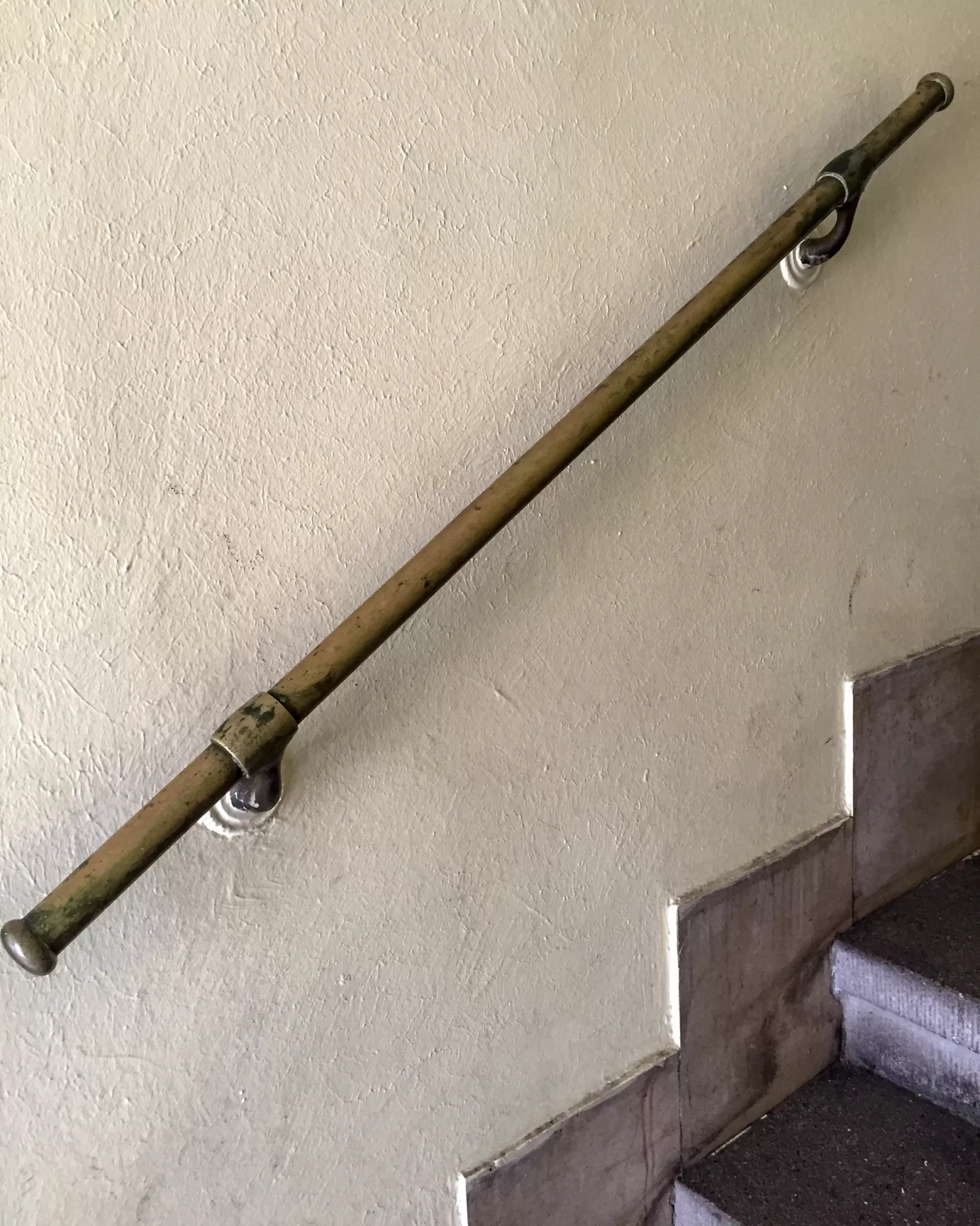
Neuramersdorf Estate, 1928-1930. Architects: Oscar Delisle, Bernard Ingwersen, Richard Berndl. Photo: Daniela Christmann
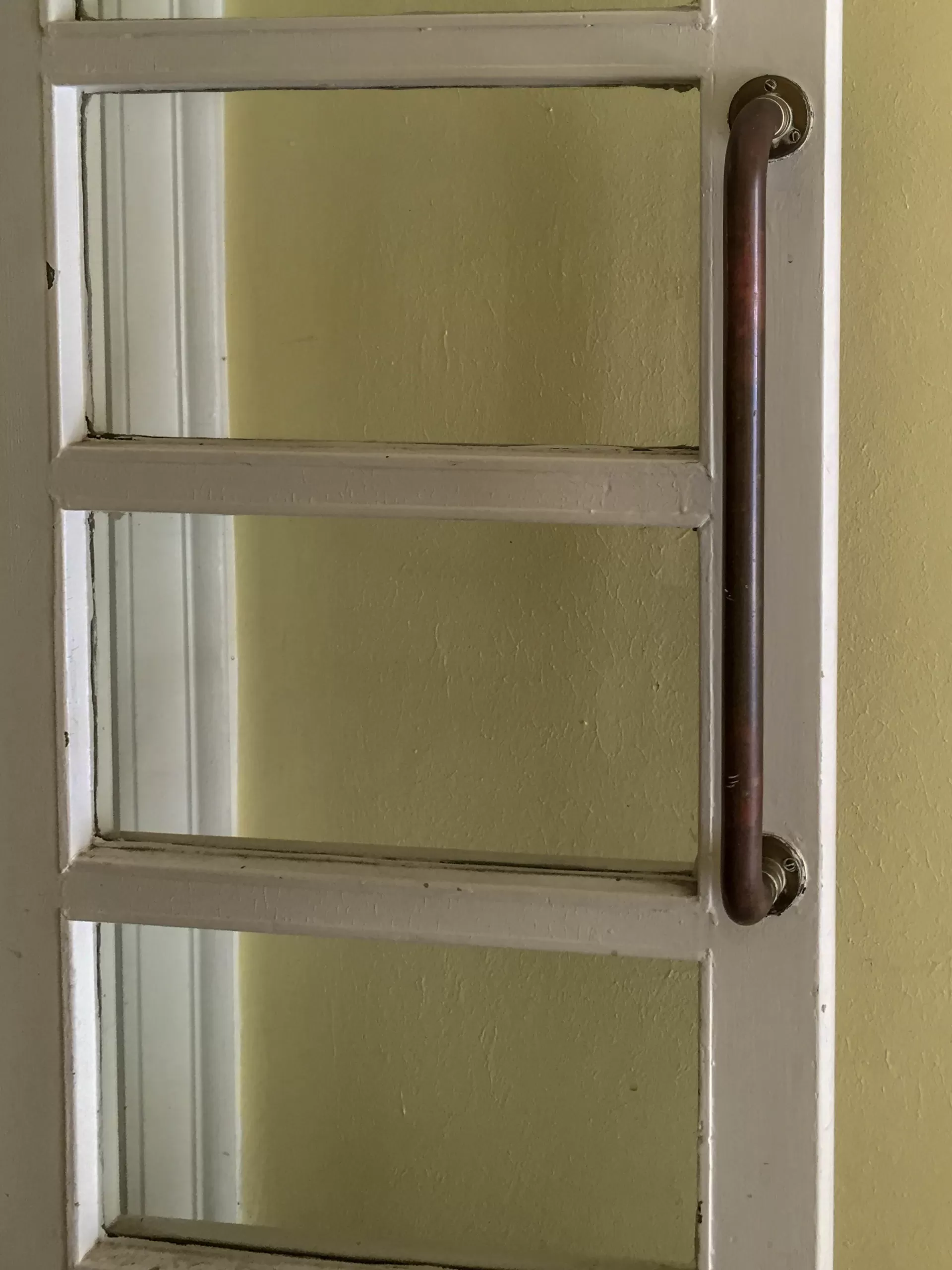
Neuramersdorf Estate, 1928-1930. Architects: Oscar Delisle, Bernard Ingwersen, Richard Berndl. Photo: Daniela Christmann