
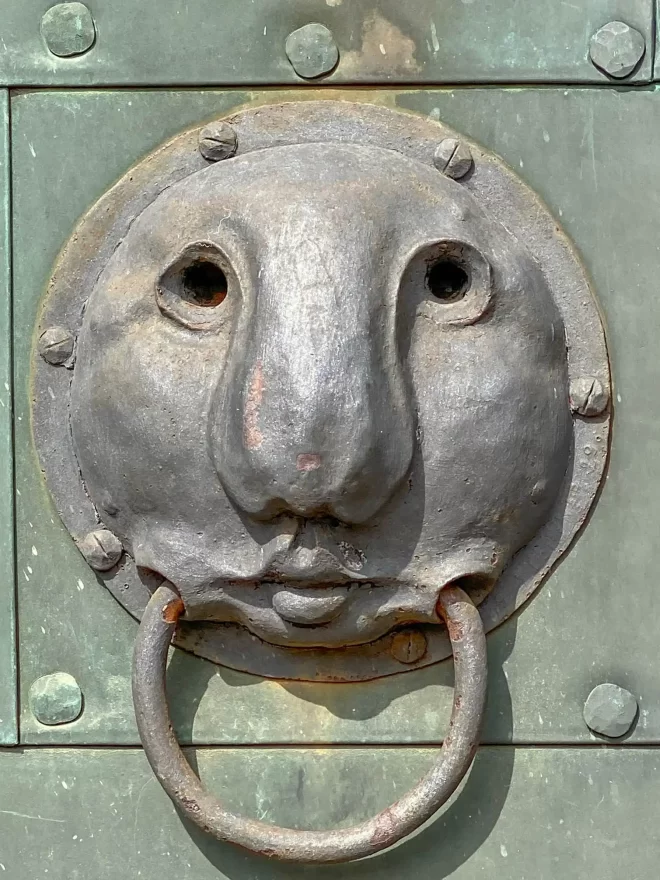
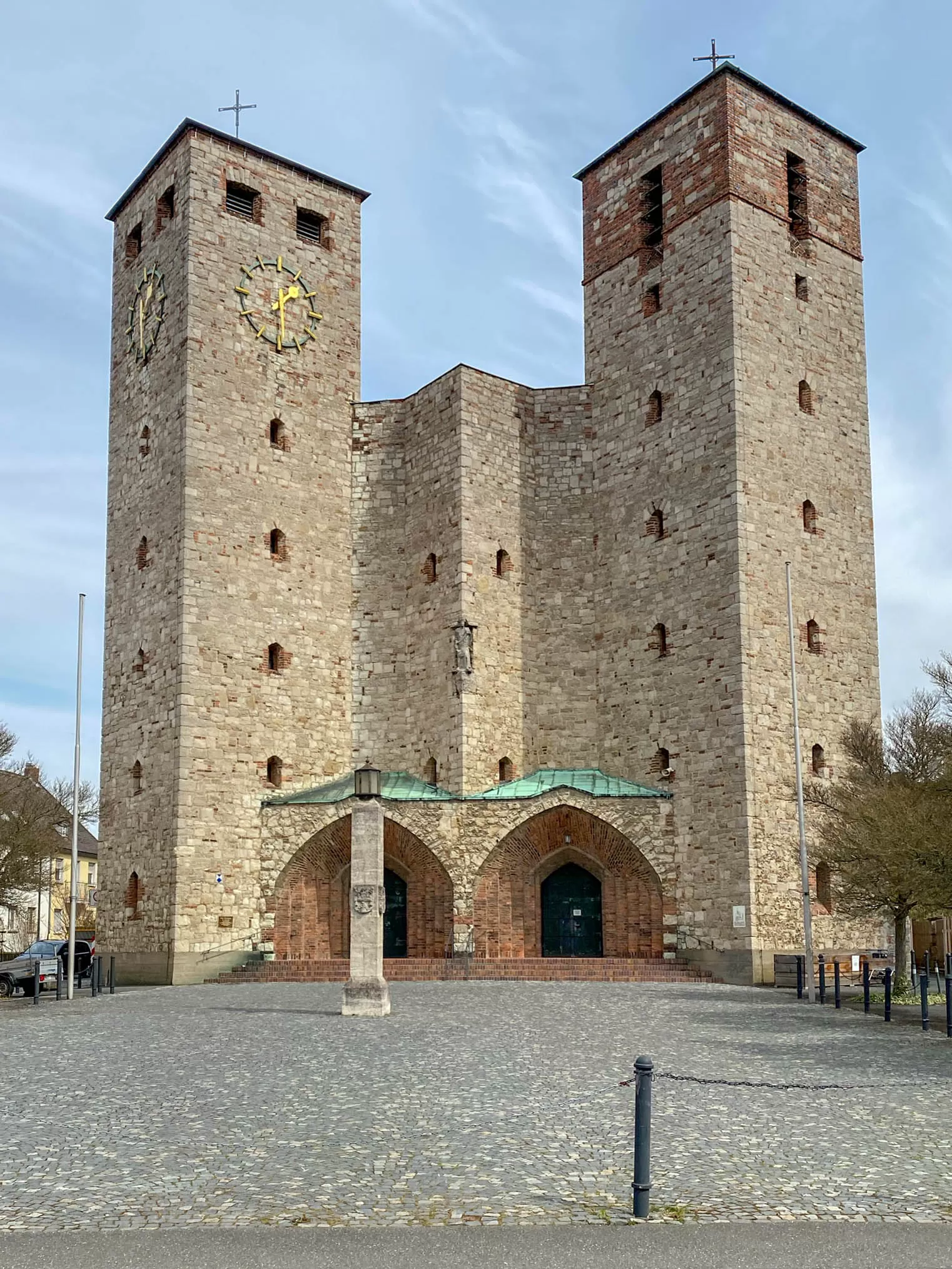
St. Heinrich, 1927-1929. Architect: Michael Kurz. Photo: Daniela Christmann
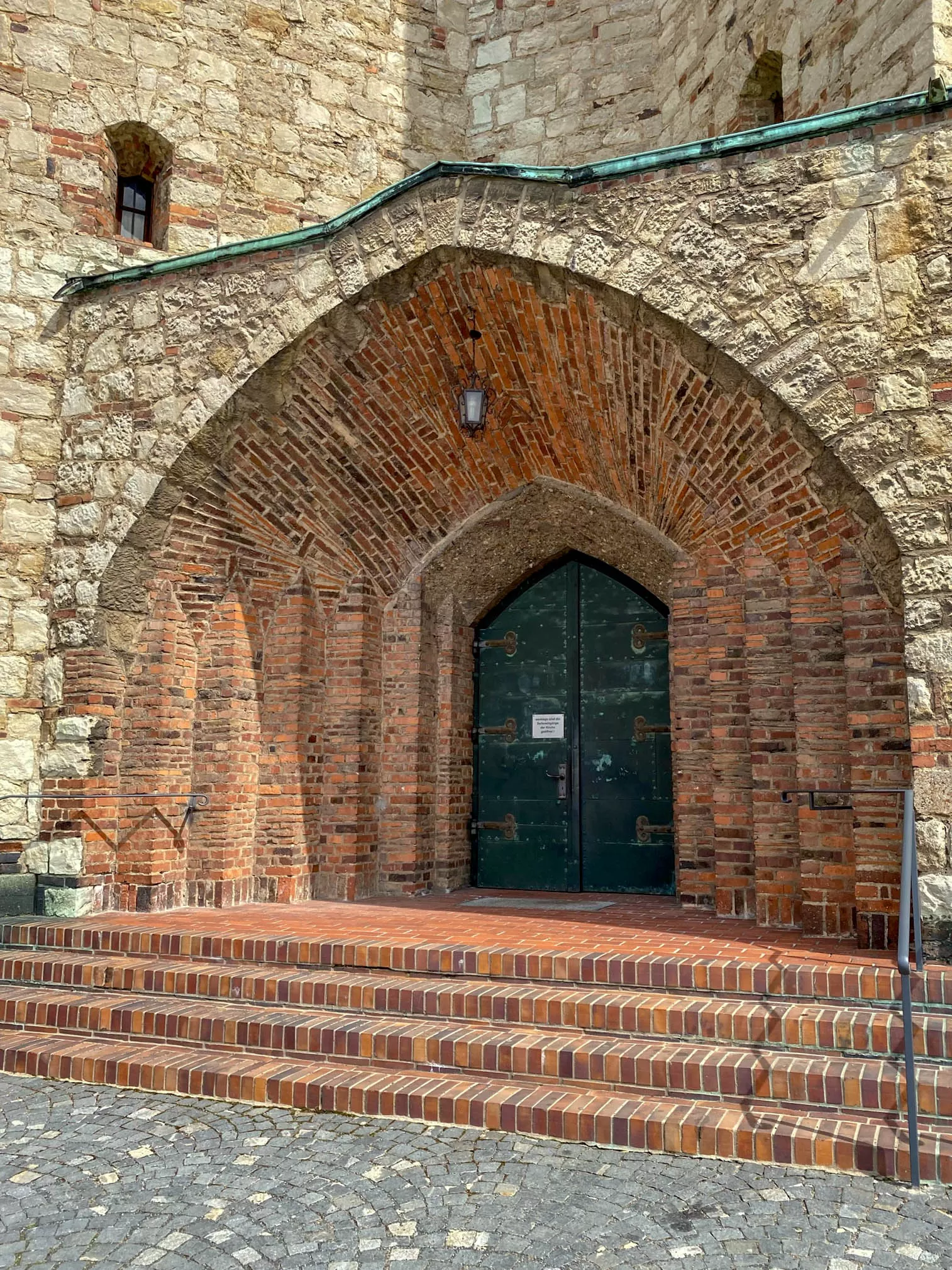
St. Heinrich, 1927-1929. Architect: Michael Kurz. Photo: Daniela Christmann
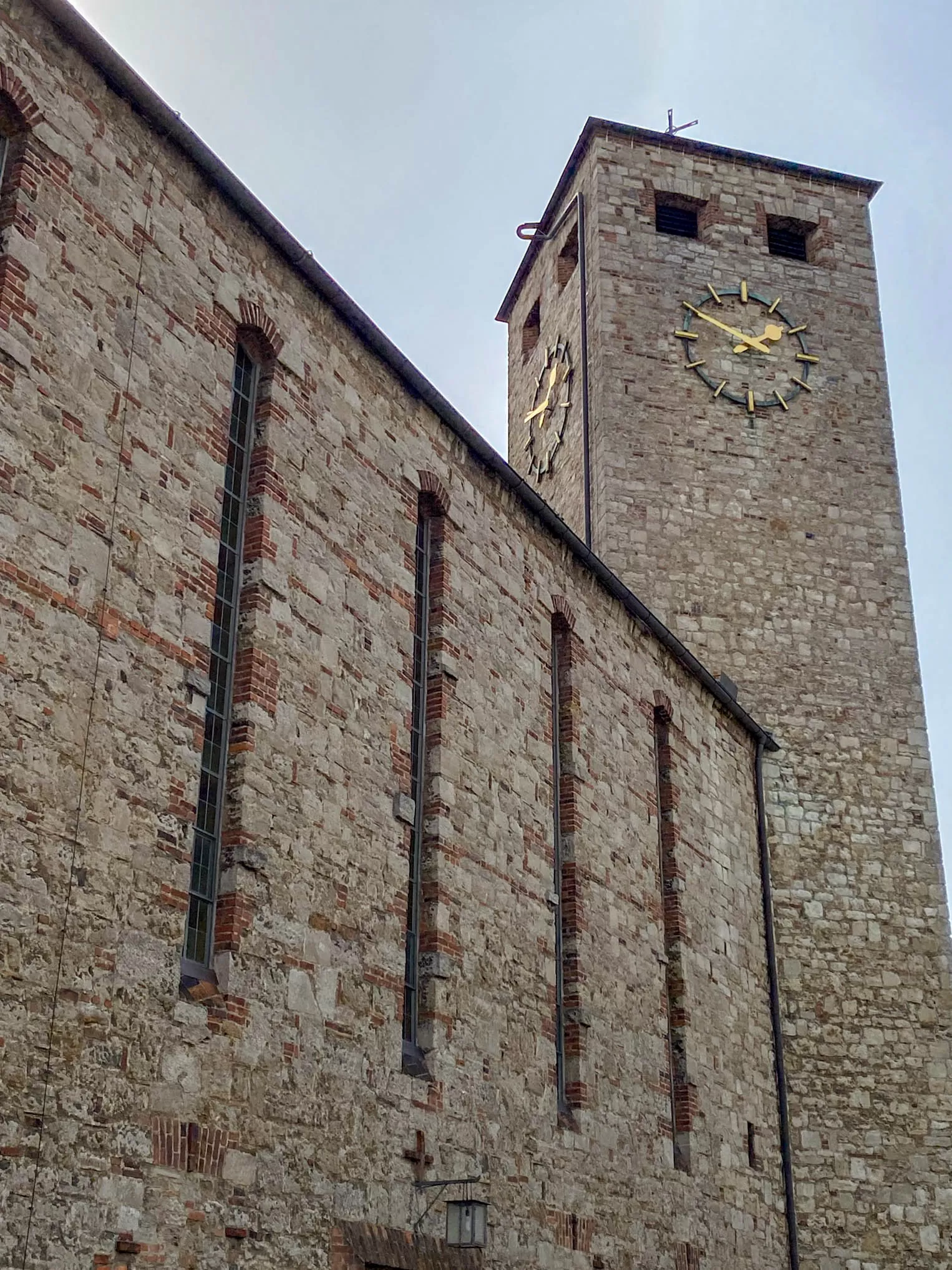
St. Heinrich, 1927-1929. Architect: Michael Kurz. Photo: Daniela Christmann
St. Heinrich, 1927-1929. Architect: Michael Kurz. Photo: Daniela Christmann
St. Heinrich, 1927-1929. Architect: Michael Kurz. Photo: Daniela Christmann

St. Heinrich, 1927-1929. Architect: Michael Kurz. Photo: Daniela Christmann
1927 – 1929
Architect: Michael Kurz
Eugen-Pacelli-Platz 1, Bamberg, Germany
The Catholic parish church of St. Heinrich in Bamberg, Germany, was completed between 1927 and 1929 based on designs by Augsburg architect Michael Kurz.
St. Anton‘s Church in Augsburg and St. Joseph’s Church in Memmingen (1927-1929) had already been built around the same time according to Kurz’s designs.
Hans Döllgast, an employee in Kurz’s office, was involved in the design planning.
Background
The Sankt Heinrich parish came into being at the beginning of the 20th century, following the settlement of the eastern part of the city.
Its parish church, dedicated to St. Heinrich, founder of the Bamberg diocese, was consecrated in 1929.
The church’s foundation stone was laid on June 12, 1927. It was consecrated on September 8, 1929. Pastoral care was entrusted to the Franciscan Order in Bavaria.
Church Building
The church’s ground plan corresponds to an elongated rectangle measuring 61 meters long by 21 meters wide.
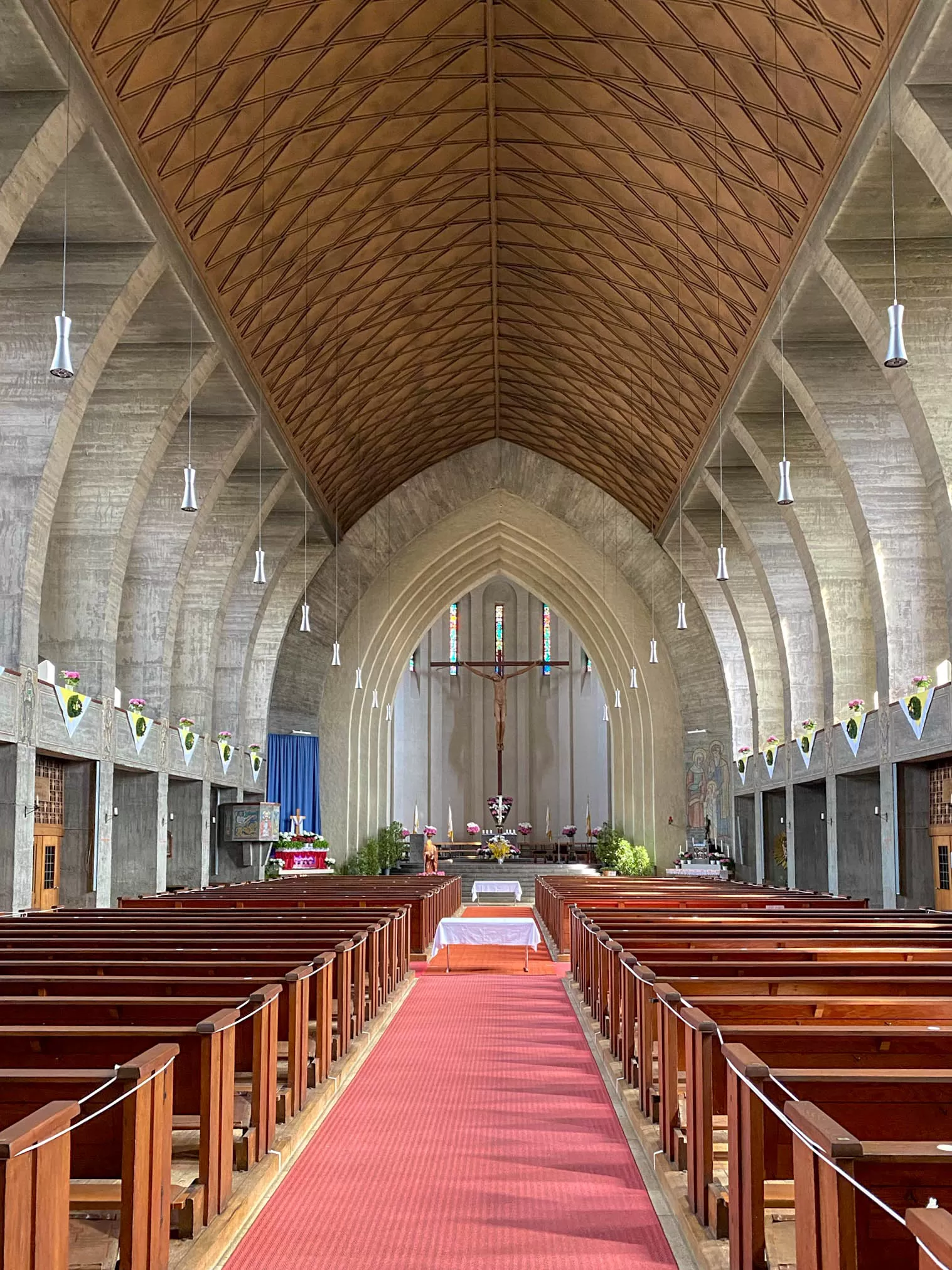
The building has a reinforced concrete structure that is visible inside.
Outside, the building is clad with unrendered quarry stone masonry from Winterhausen quarries near Würzburg. The stone was broken into irregular ashlars.
The nave is flanked by two 35-meter-high towers with square ground plans that are twisted 45 degrees around their own axes. Their edges protrude from the west façade.
A life-size statue of St. Henry, created by sculptor Heinrich Söller, stands in a niche of the facade.
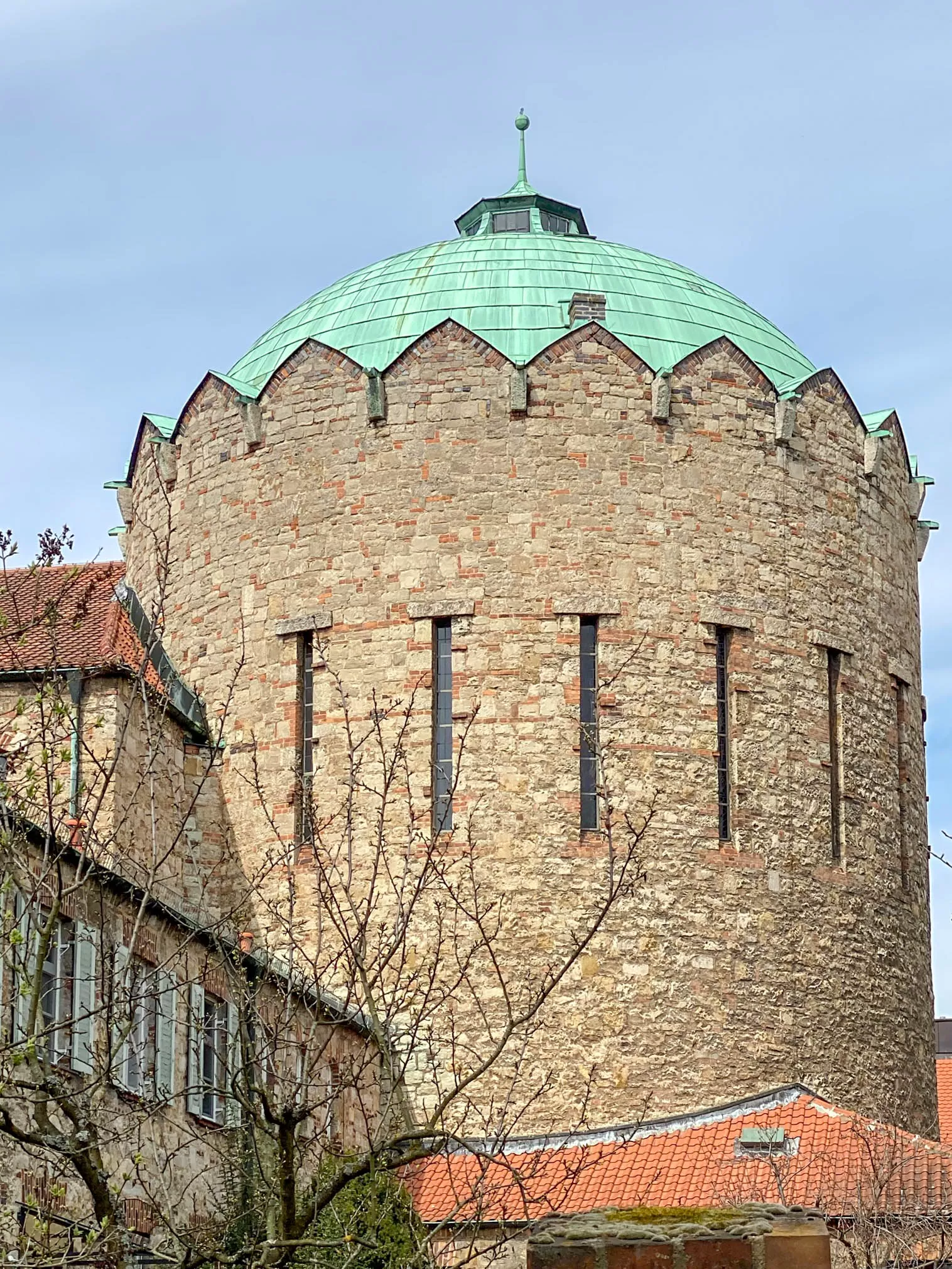
High slit windows and a crenellation formed by triangular pediments adorn the choir dome.
Interior
Inside, the long nave is supported by nine arched concrete piers on each side.
The insides of the pilasters are adorned with mosaics depicting the apostles and messengers of the faith.
The attractively designed Zollinger wooden roof rests on a concrete cornice on both sides.
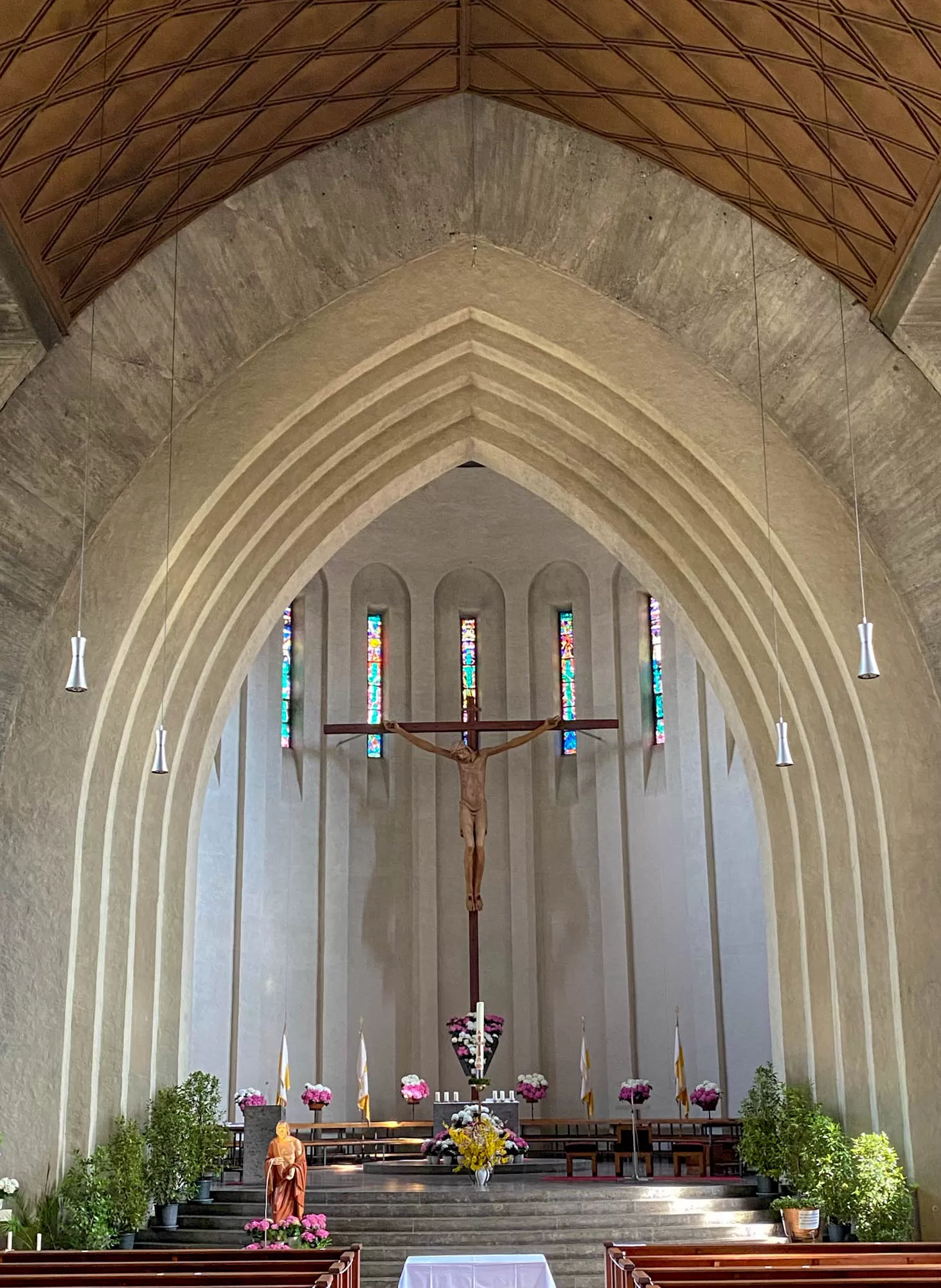
The large choir arch, with its stepped, ribbed surfaces, offers a view of the slightly oval choir room. The room is adorned with a four-meter-high Christ figure and a nearly ten-meter-high cross made of lime wood and designed by Karl Baur.
Wilhelm Pütz designed all the mosaic paintings in the nave. The large 1934 mosaic altarpieces were covered with plaster in 1968 and uncovered again in 2010.
The nine chancel windows were designed by architect Michael Kurz and crafted by Franz Müller (Bamberg) in 1935.
Postwar Years and Restoration
During World War II, the church’s stained glass Stations of the Cross, designed by Wilhelm Pütz, were destroyed. In 1948, they were replaced with new Stations of the Cross made with the mosaic technique.
In 1968, the Würzburg cathedral architect Hans Schädel carried out a thorough renovation of the church building, during which the chancel was redesigned in particular.
The former high altar was replaced with a square, popular altar made of Eibelstadt shell limestone.
St. Heinrich is one of the early church buildings of the Weimar Republic for which exposed concrete was chosen as the predominant interior material.
St. Heinrich, 1927-1929. Architect: Michael Kurz. Photo: Daniela Christmann
St. Heinrich, 1927-1929. Architect: Michael Kurz. Photo: Daniela Christmann
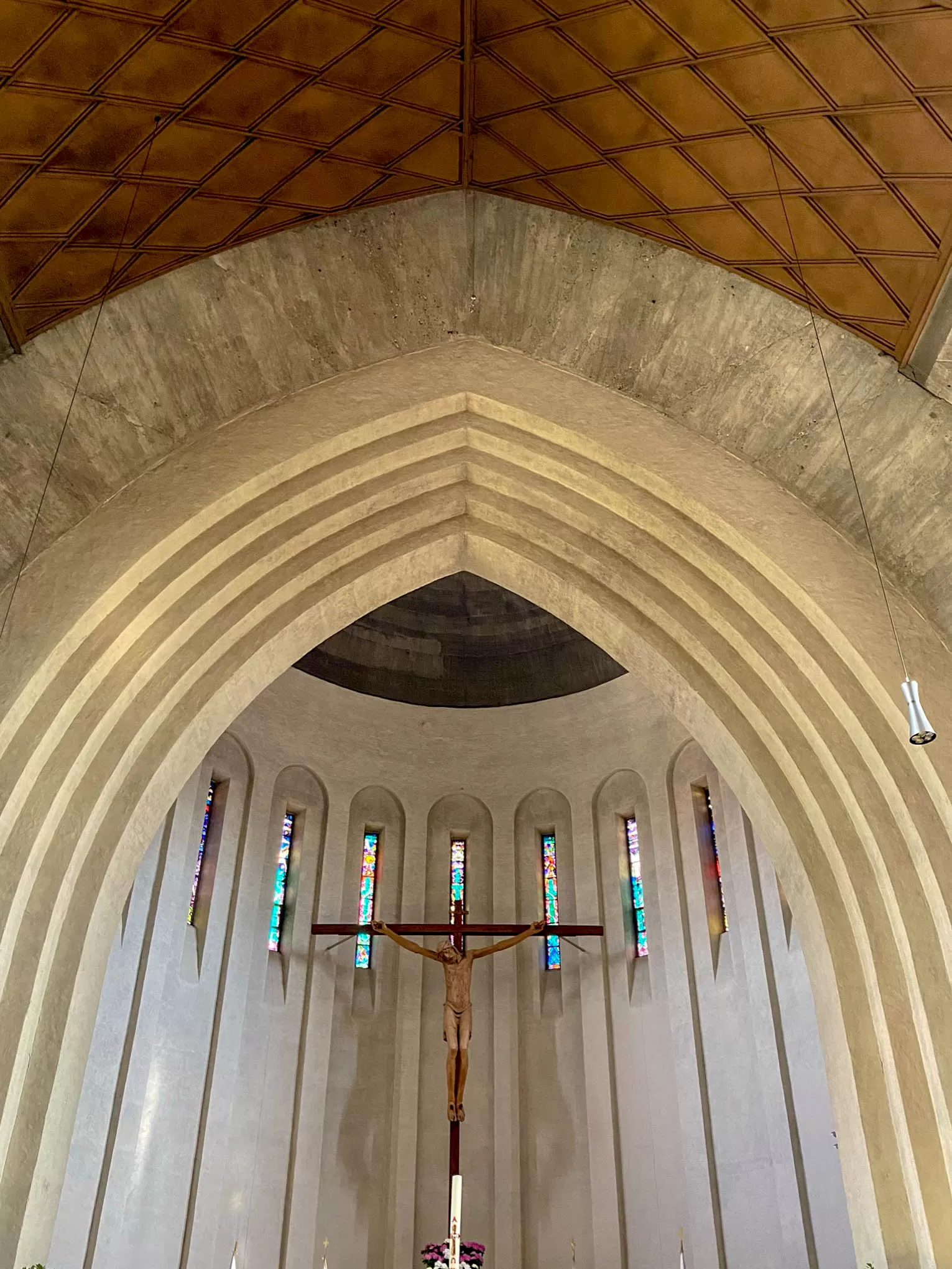
St. Heinrich, 1927-1929. Architect: Michael Kurz. Photo: Daniela Christmann
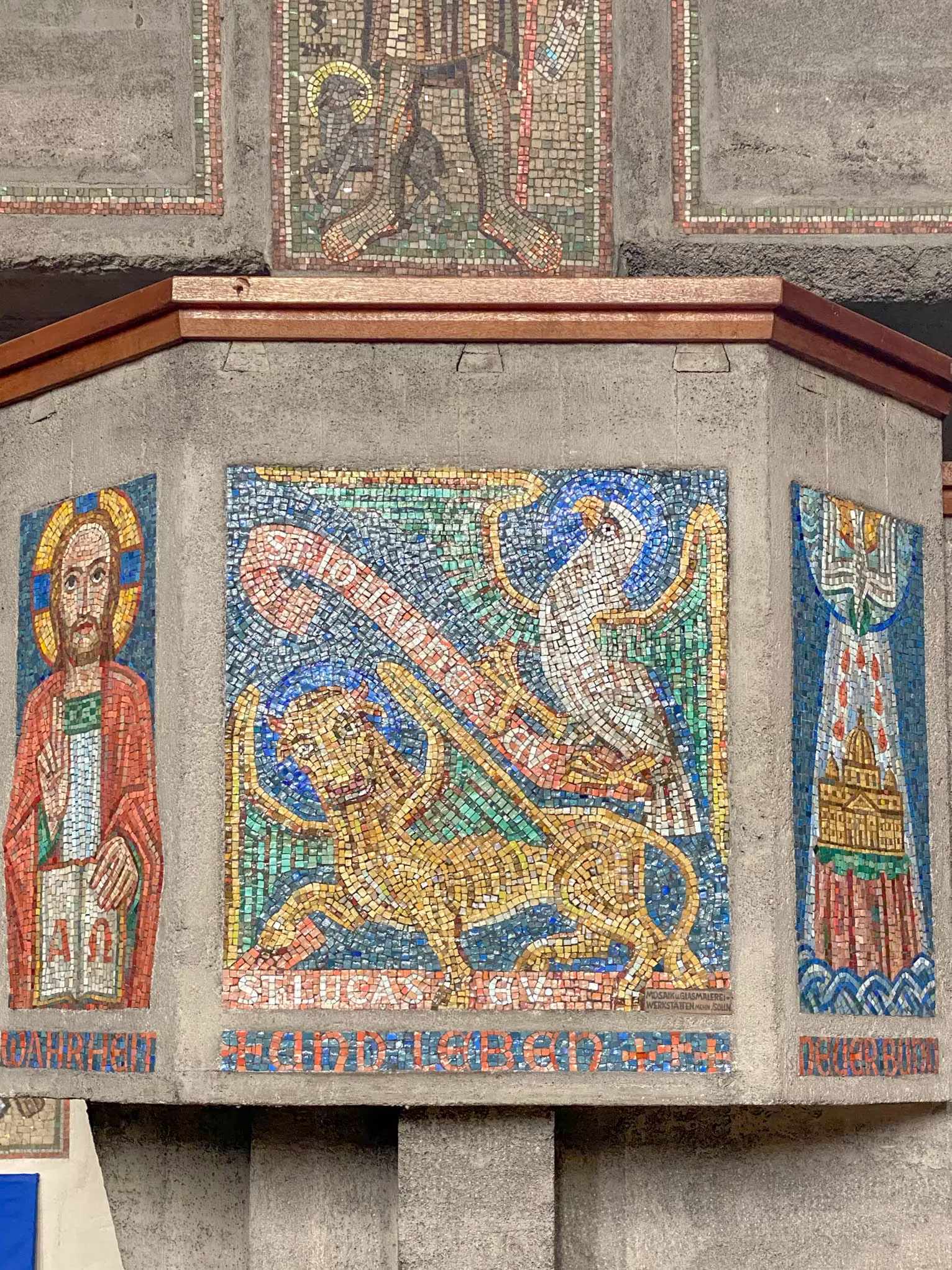
St. Heinrich, 1927-1929. Architect: Michael Kurz. Photo: Daniela Christmann
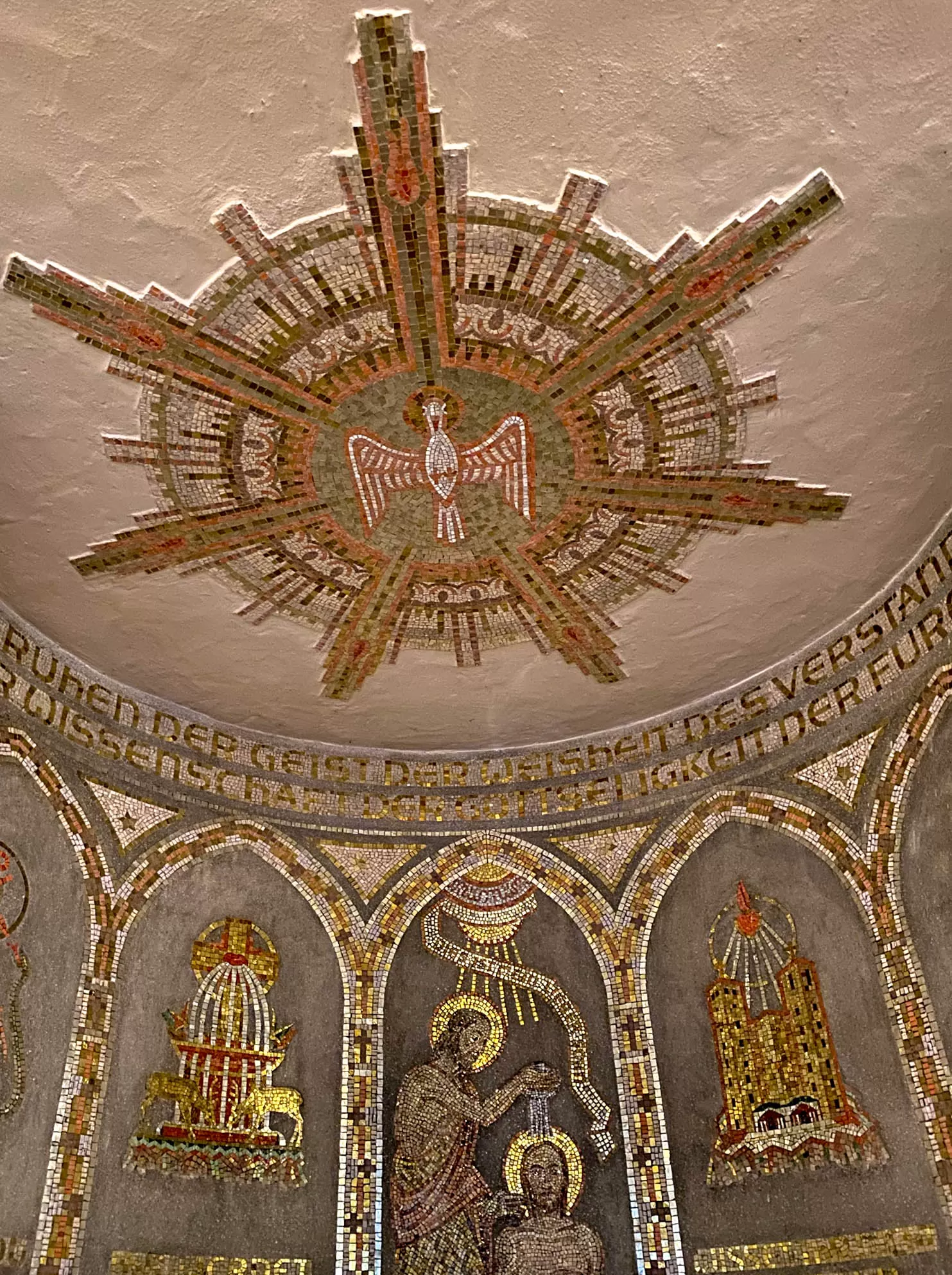
St. Heinrich, 1927-1929. Architect: Michael Kurz. Photo: Daniela Christmann