
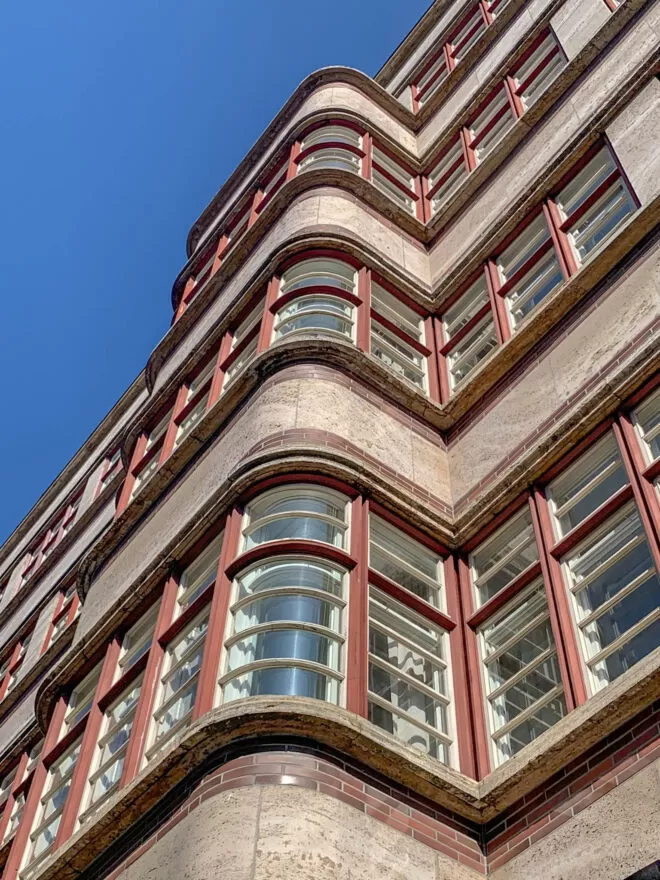
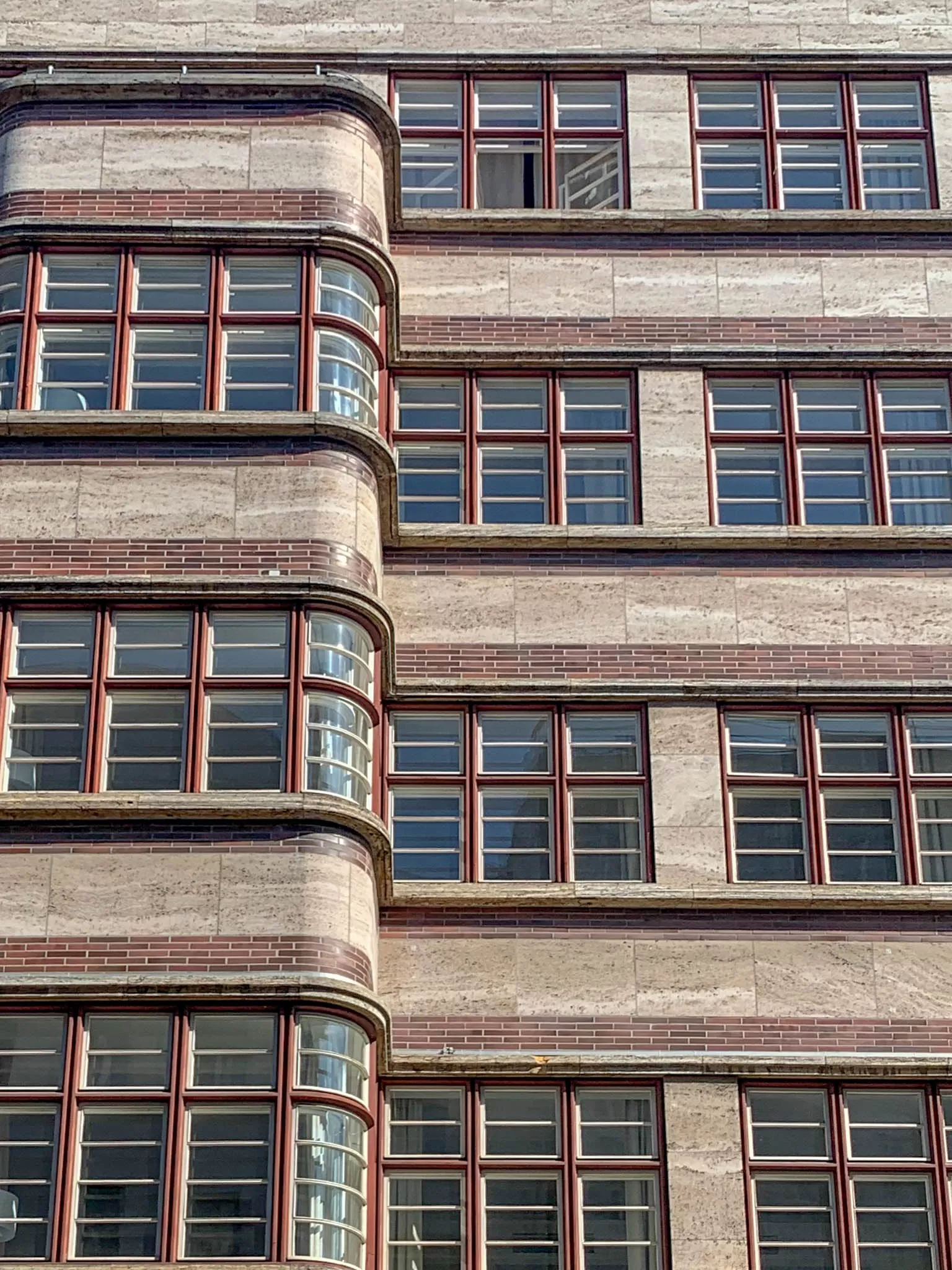
Femina-Palast, 1928-1931. Architects: Richard Bielenberg, Josef Moser. Photo: Daniela Christmann
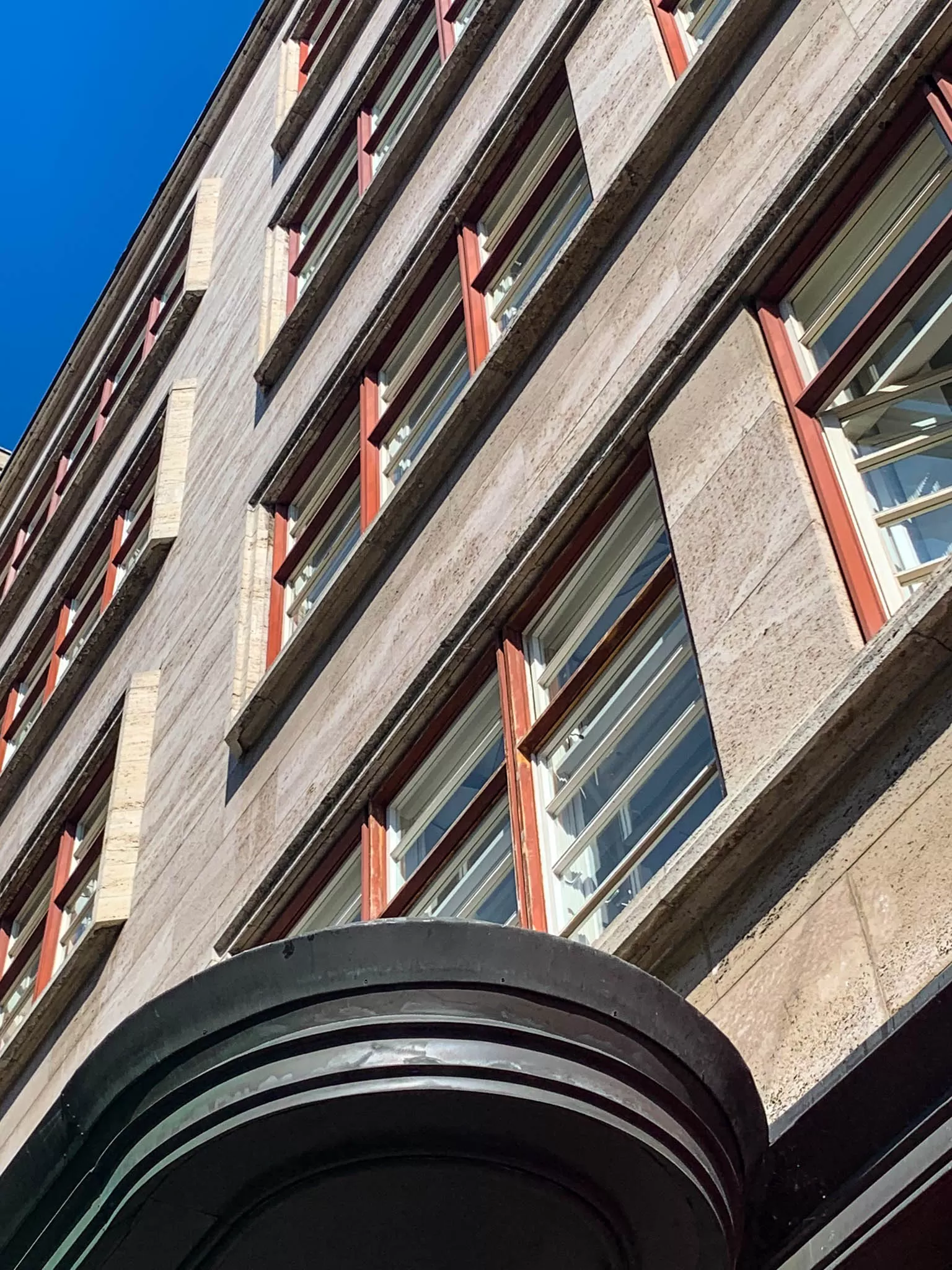
Femina-Palast, 1928-1931. Architects: Richard Bielenberg, Josef Moser. Photo: Daniela Christmann
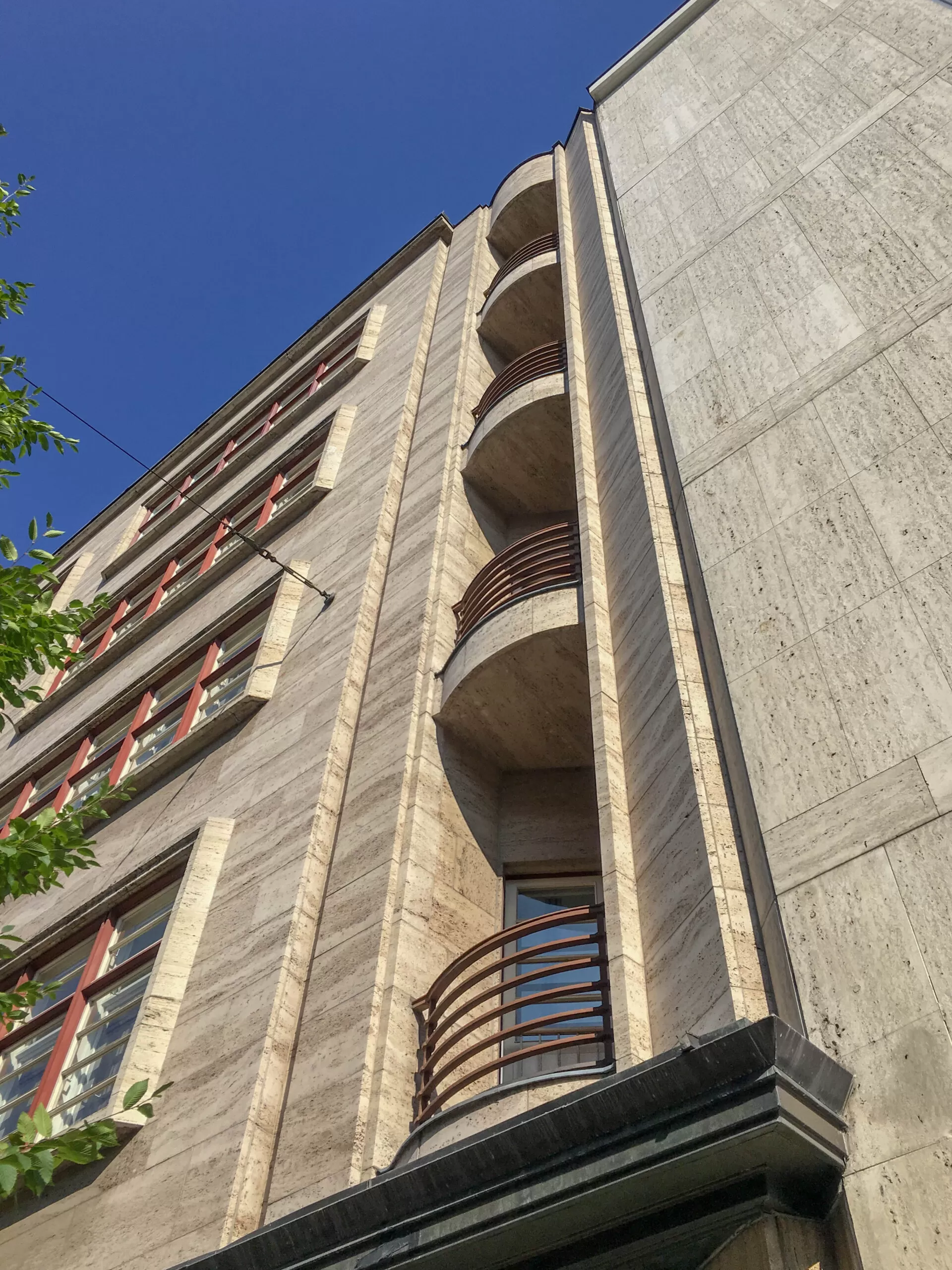
Femina-Palast, 1928-1931. Architects: Richard Bielenberg, Josef Moser. Photo: Daniela Christmann
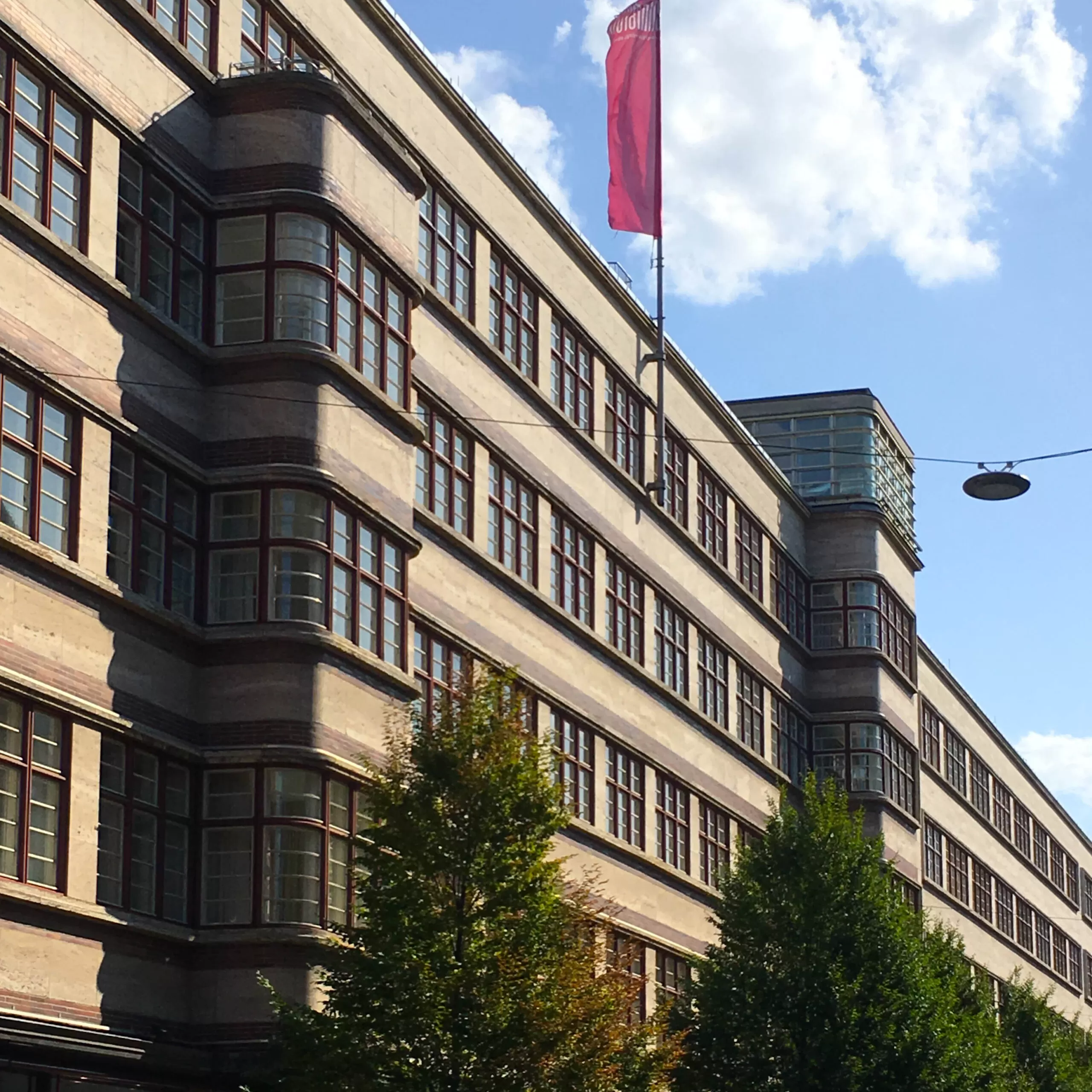
Femina-Palast, 1928-1931. Architects: Richard Bielenberg, Josef Moser
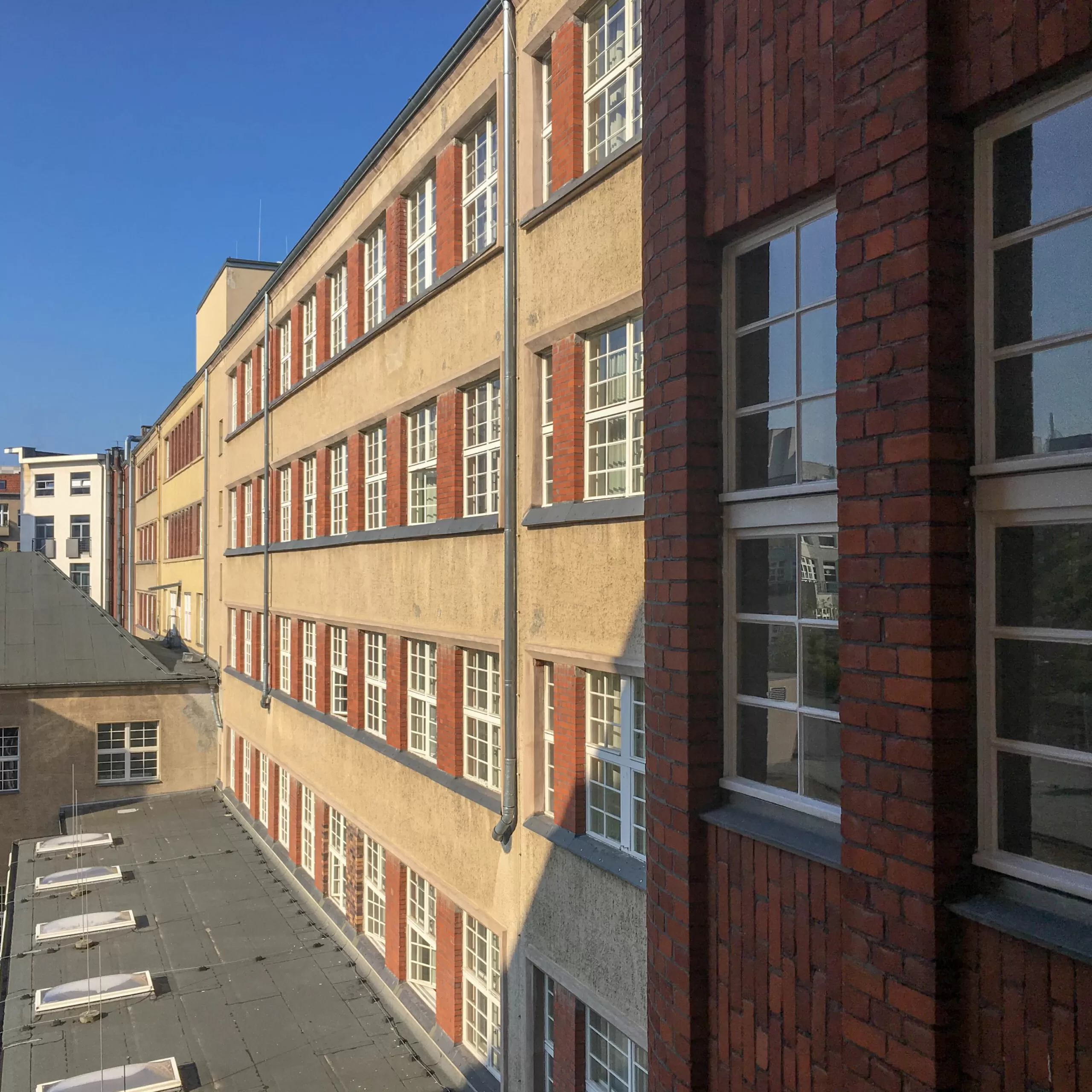
Femina-Palast, 1928-1931. Architects: Richard Bielenberg, Josef Moser. Photo: Daniela Christmann
1928 – 1931
Architects: Richard Bielenberg, Josef Moser
Nürnberger Straße 50-56, Berlin, Germany
The listed Femina-Palast in Berlin-Schöneberg, Germany, was completed from 1928 to 1931 according to plans by architects Richard Bielenberg and Josef Moser.
Haus Nürnberg
The office and commercial building was originally named Haus Nürnberg and housed offices for the Federal Administration for Spirits on its upper floors.
Femina-Palast
The building became famous for its entertainment venues, the most notable of which was the ballroom, which gave the establishment its name: Femina-Palast.
The elegant nightclub made Nürnberger Straße the place to be in Berlin in the 1930s.
The ballroom was located in a building across the courtyard and was the only part destroyed during World War II.
Design
The façade is characterized by natural travertine stone and brass frames around the tall shop windows.
The elongated, four-story building’s special effect comes from the horizontal lines around the rounded bay window corners.
The foyer, with its high glass doors framed in brass, remains largely intact.
The walls and radiators are clad in cream-white ceramic tiles with delicate green lines.
Many details from that time have been preserved in the stairways, including brass railings, ceramic handrails, wall paneling, and colored windows.
Current Use
In the fifties, the Jazz Club Badewanne was located here and from 1978 to 1993 the night club Dschungel.
From 2007 to 2021 the building was used as a hotel. At the moment it is being converted into a commercial building.
Current Use
The Jazz Club Badewanne was located here in the fifties, and the nightclub Dschungel was located here from 1978 to 1993.
From 2007 to 2021, the building was used as a hotel.
Currently, it is being converted into a commercial building.
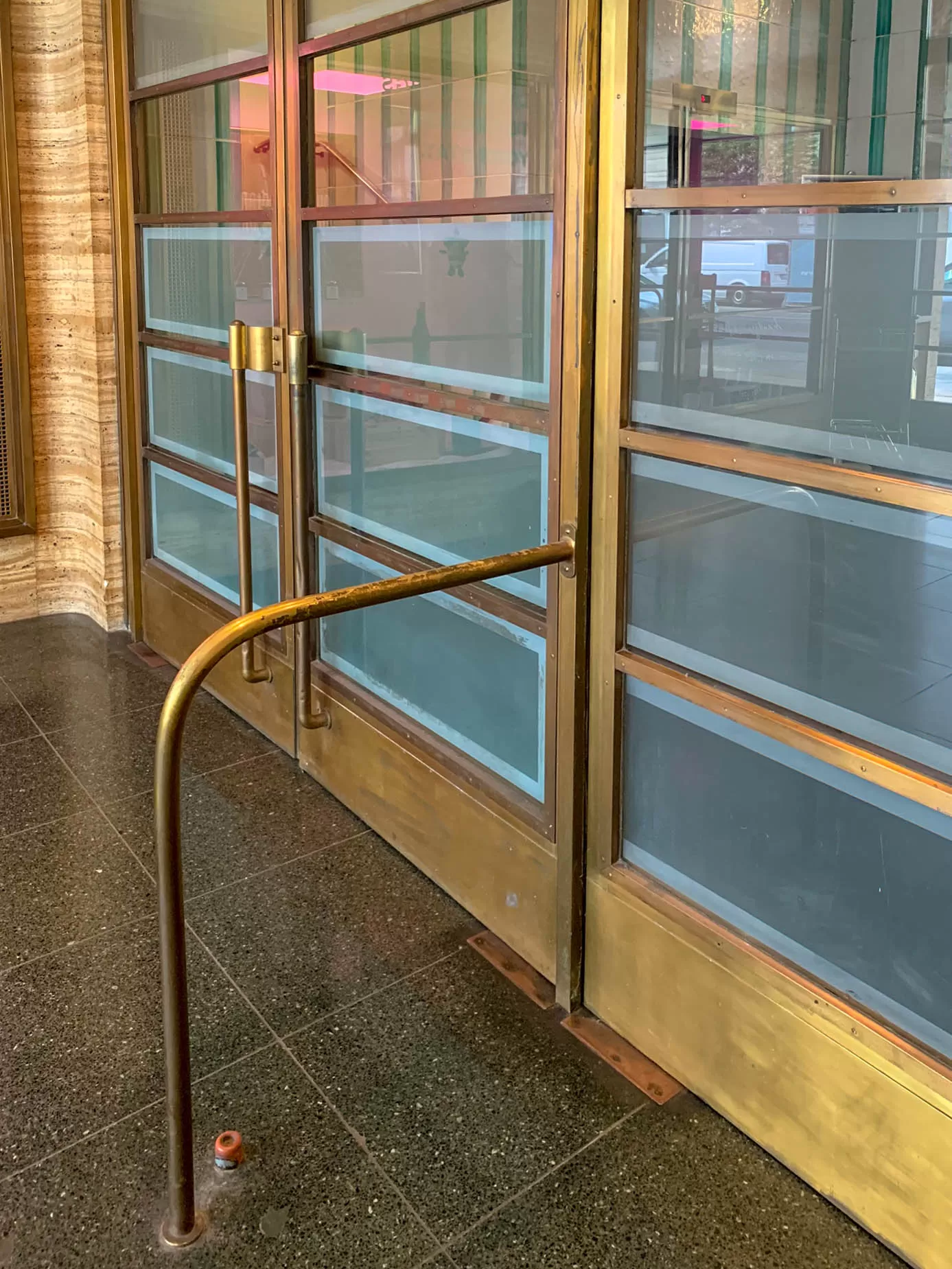
Femina-Palast, 1928-1931. Architects: Richard Bielenberg, Josef Moser. Photo: Daniela Christmann
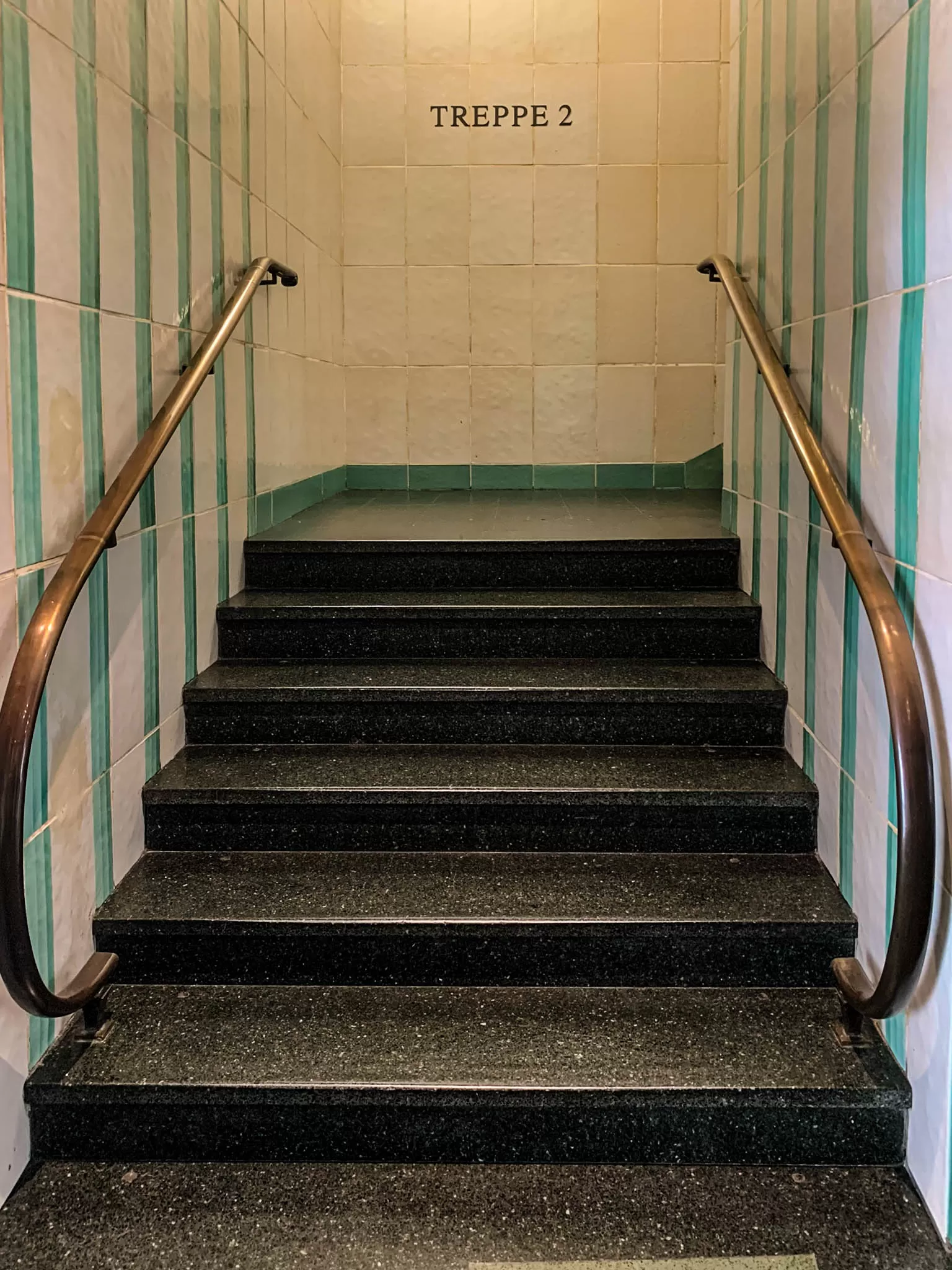
Femina-Palast, 1928-1931. Architects: Richard Bielenberg, Josef Moser. Photo: Daniela Christmann
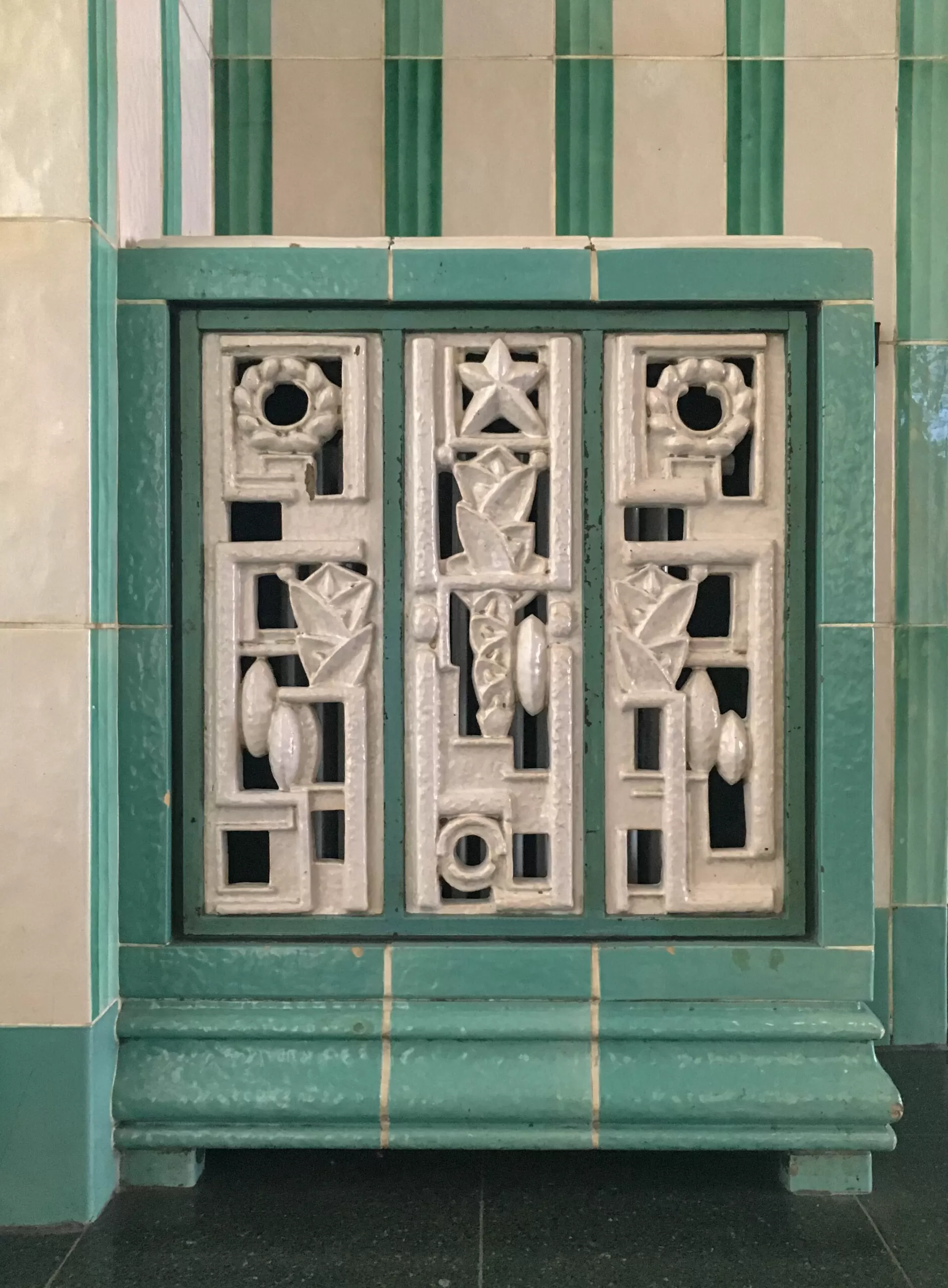
Femina-Palast, 1928-1931. Architects: Richard Bielenberg, Josef Moser. Photo: Daniela Christmann
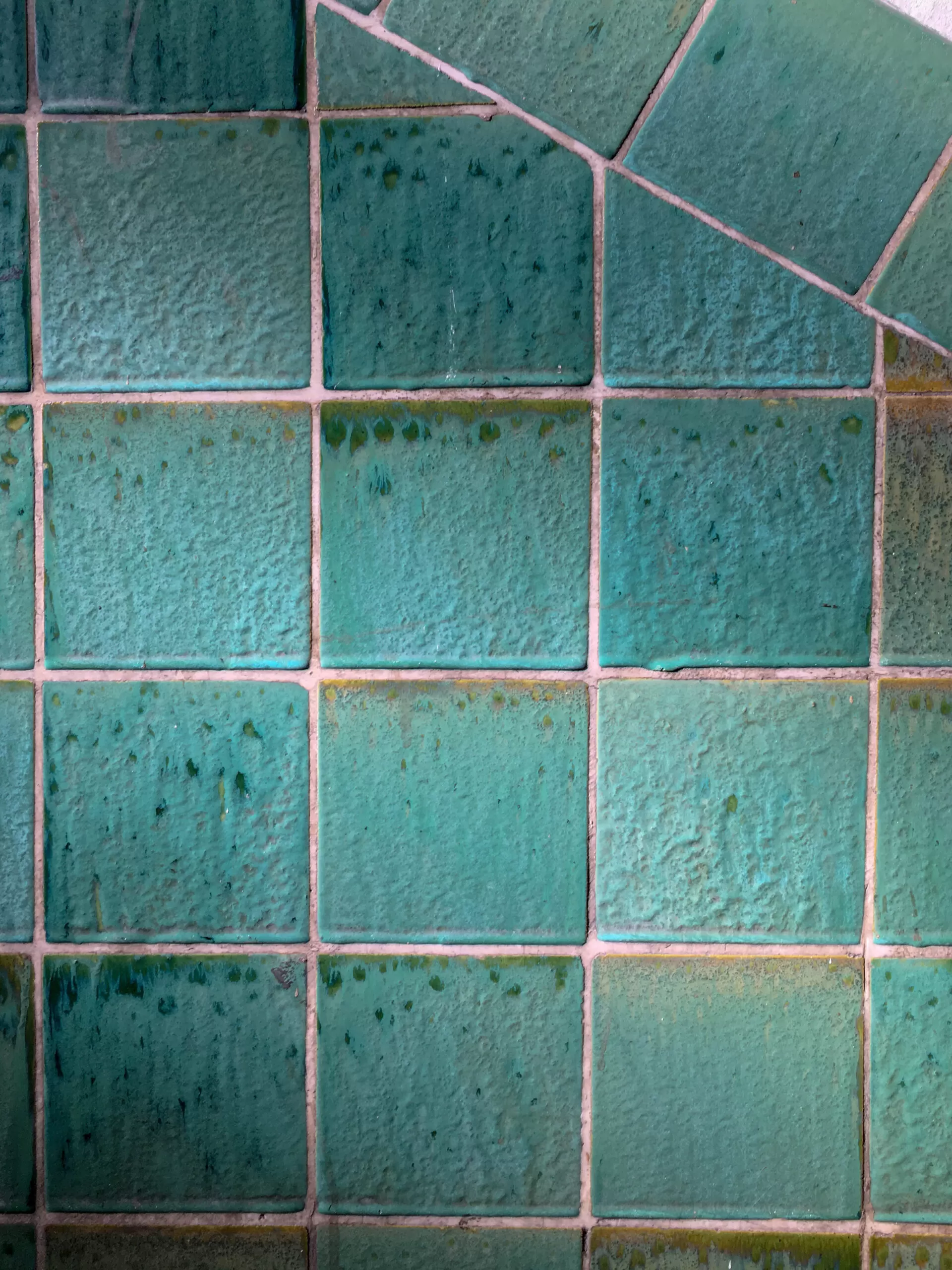
Femina-Palast, 1928-1931. Architects: Richard Bielenberg, Josef Moser. Photo: Daniela Christmann
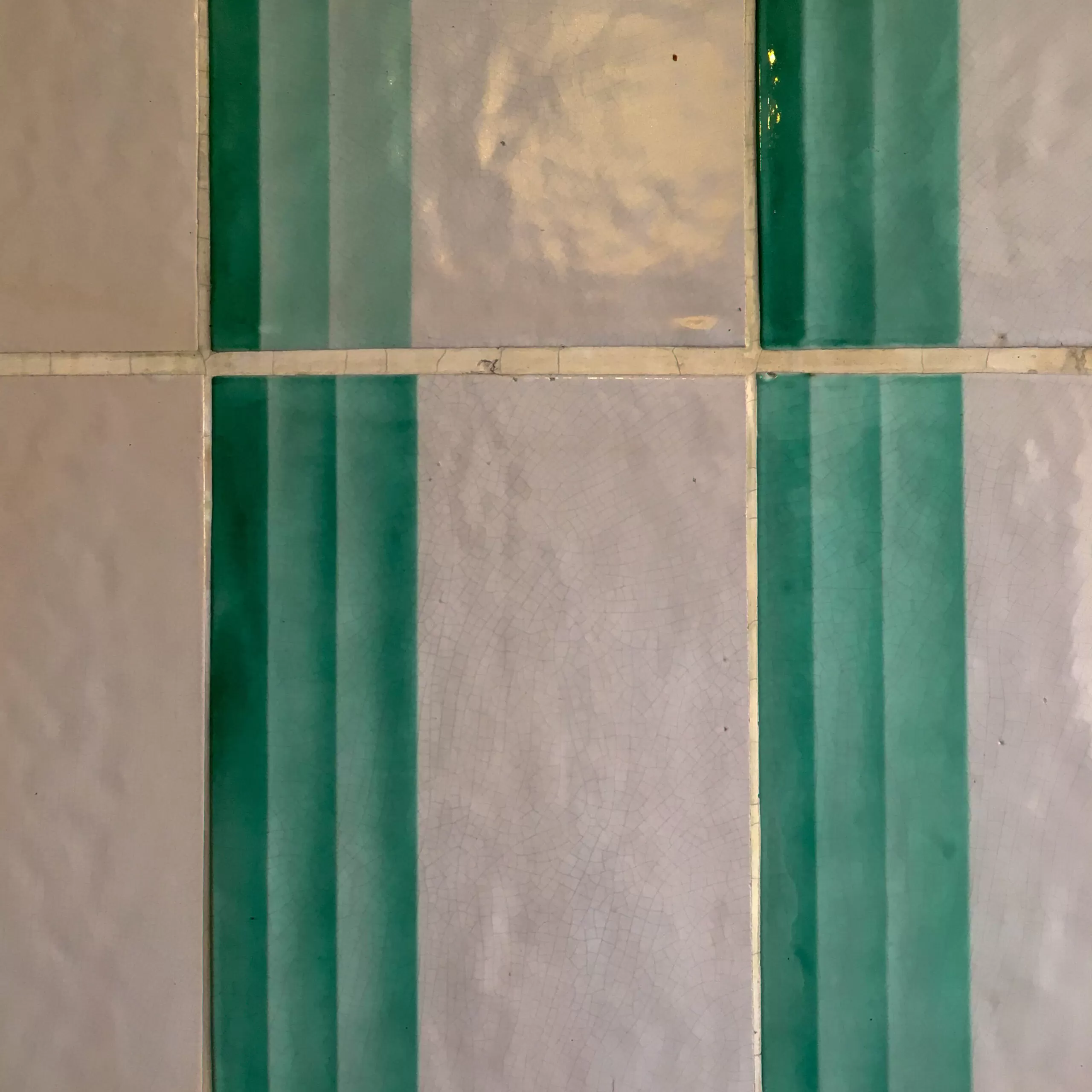
FemFemina-Palast, 1928-1931. Architects: Richard Bielenberg, Josef Moser. Photo: Daniela Christmann
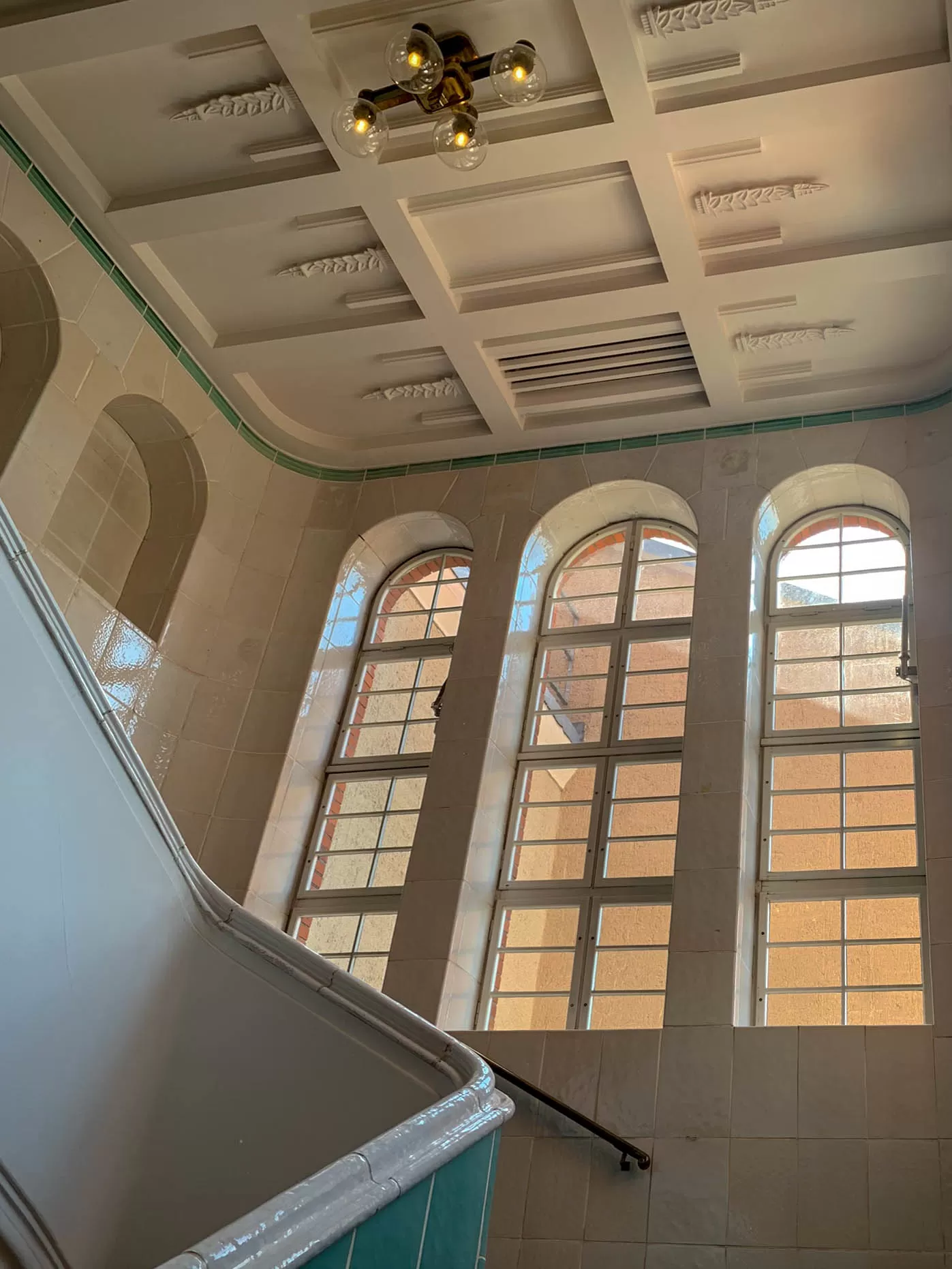
Femina-Palast, 1928-1931. Architects: Richard Bielenberg, Josef Moser. Photo: Daniela Christmann
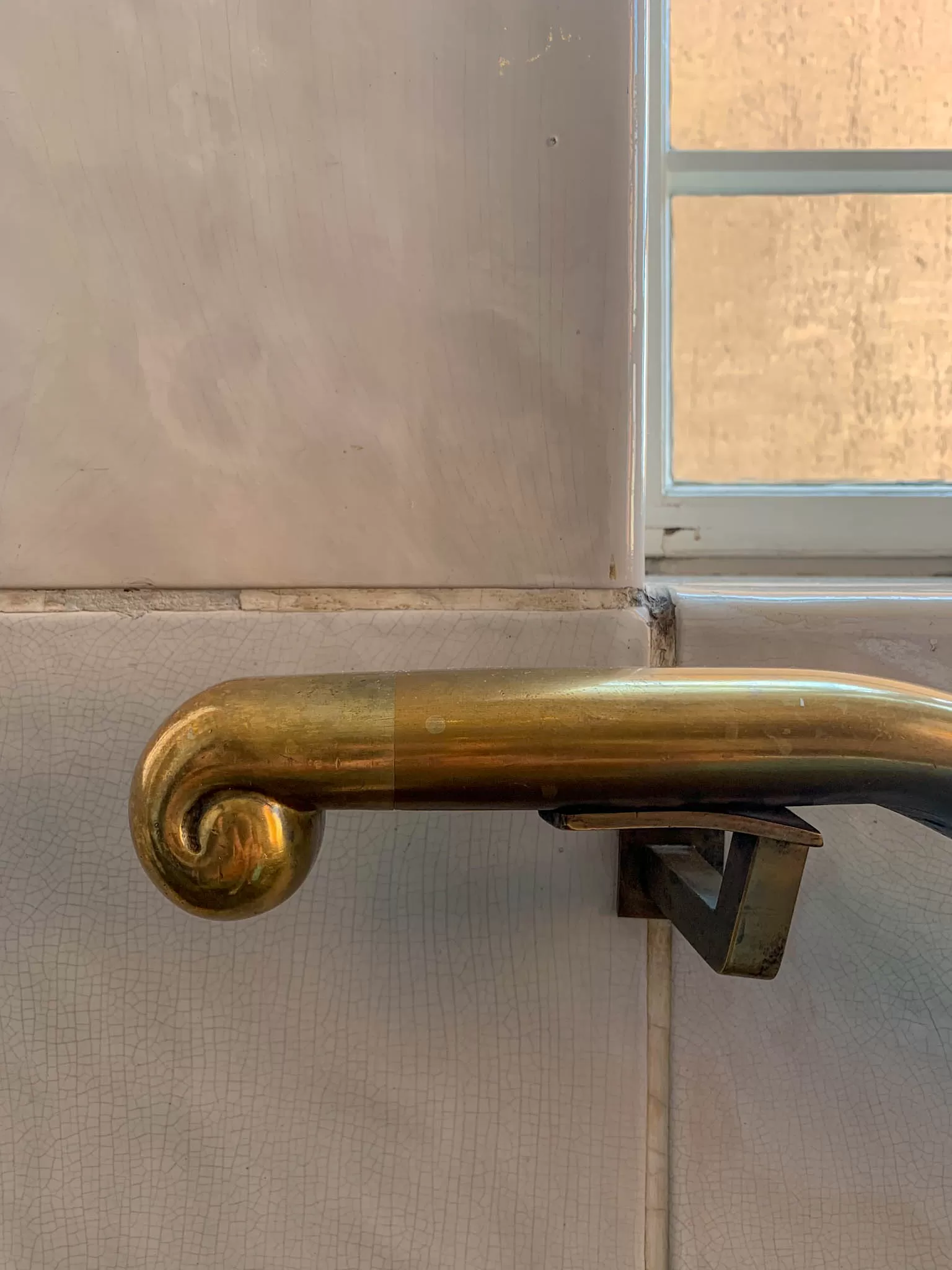
Femina-Palast, 1928-1931. Architects: Richard Bielenberg, Josef Moser. Photo: Daniela Christmann
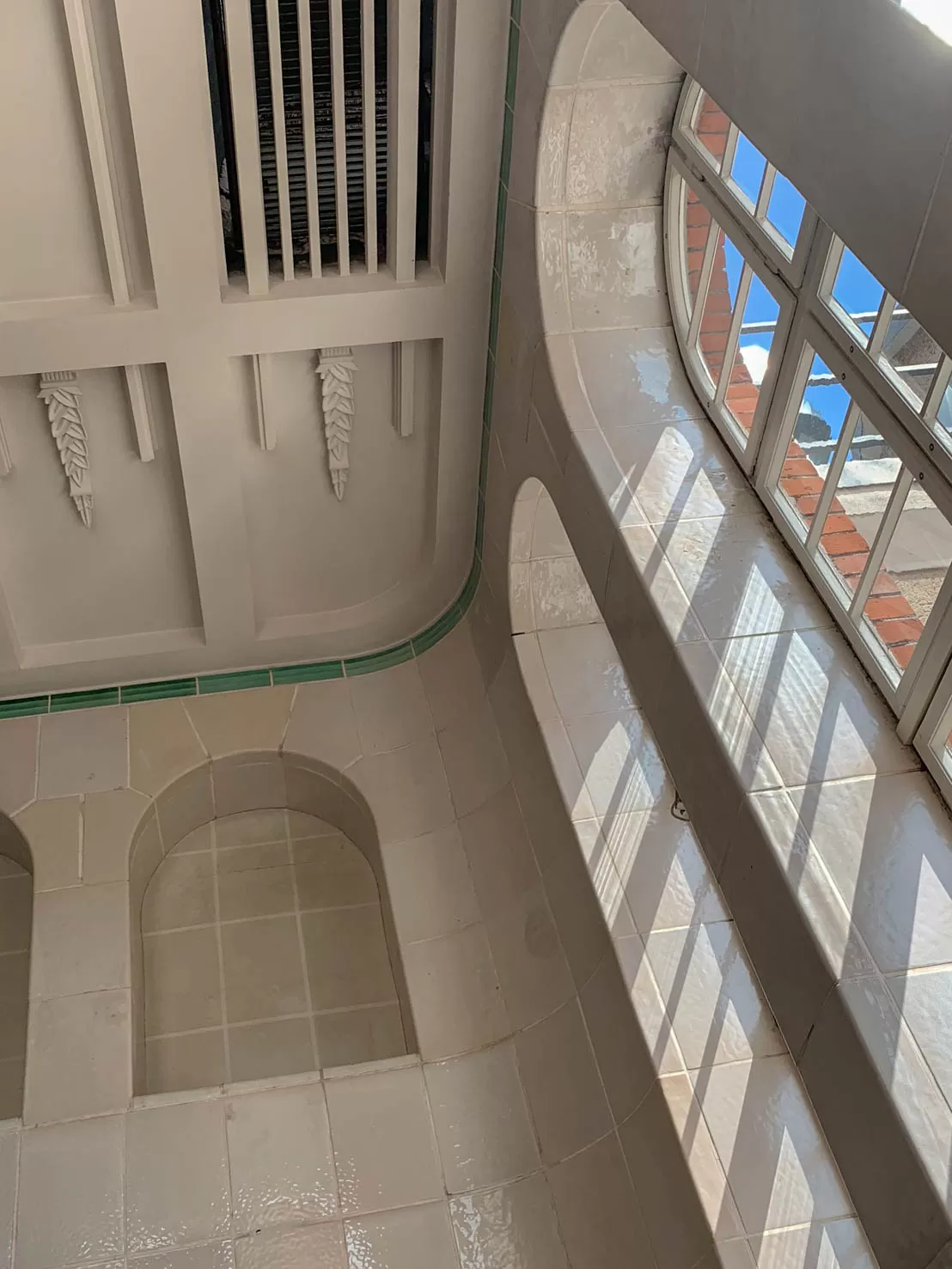
Femina-Palast, 1928-1931. Architects: Richard Bielenberg, Josef Moser. Photo: Daniela Christmann
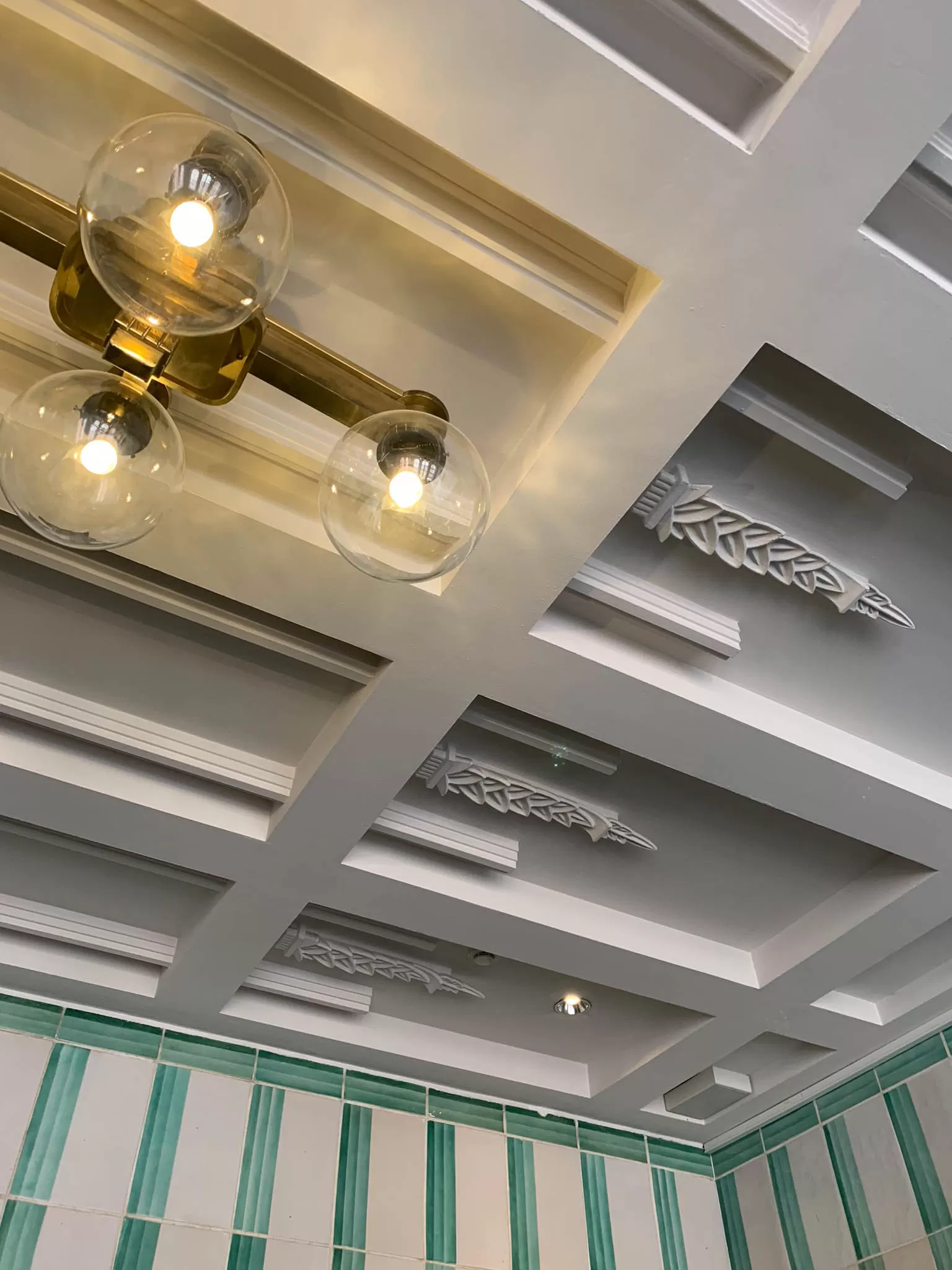
Femina-Palast, 1928-1931. Architects: Richard Bielenberg, Josef Moser. Photo: Daniela Christmann
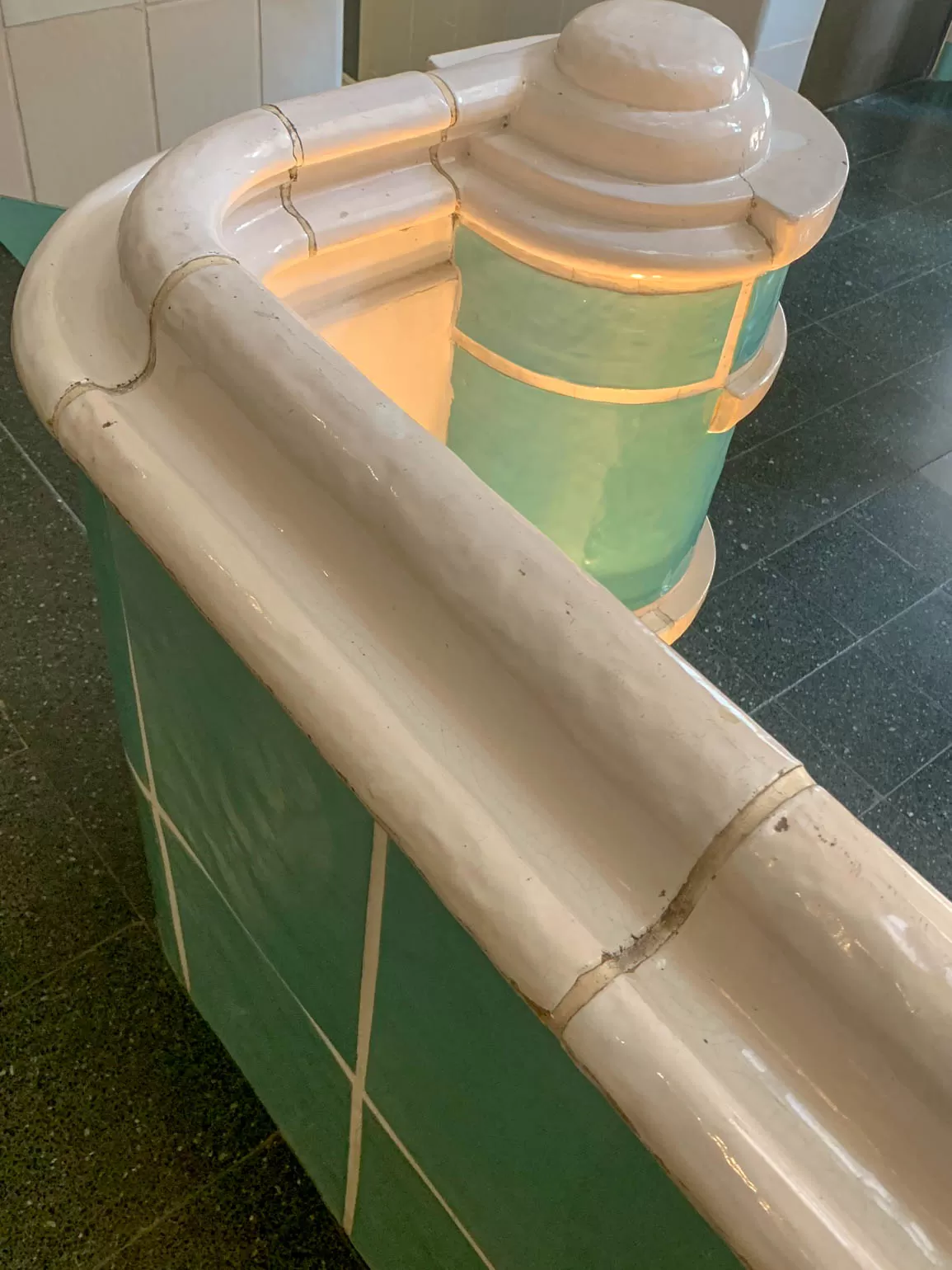
Femina-Palast, 1928-1931. Architects: Richard Bielenberg, Josef Moser. Photo: Daniela Christmann
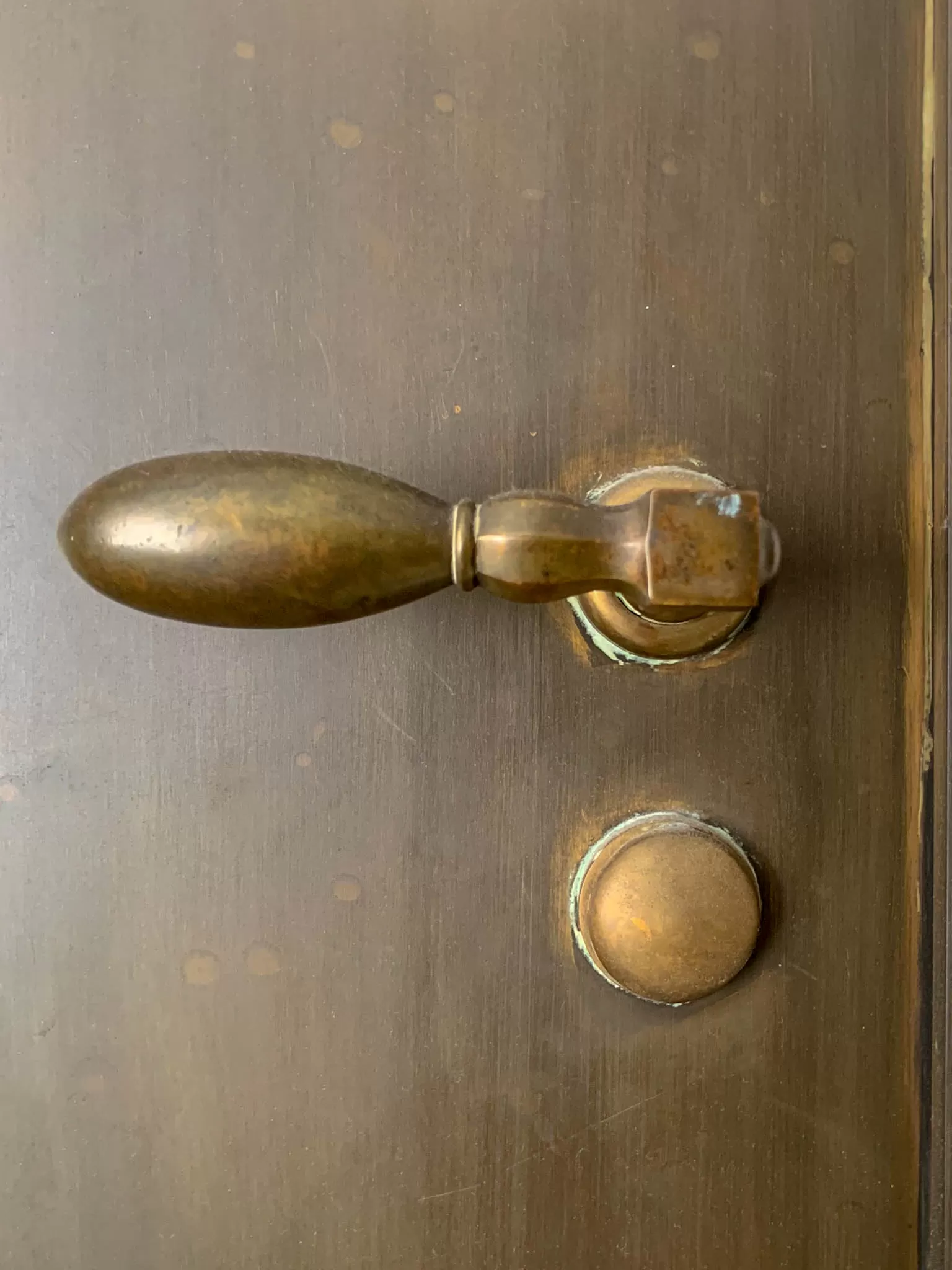
Femina-Palast, 1928-1931. Architects: Richard Bielenberg, Josef Moser. Photo: Daniela Christmann
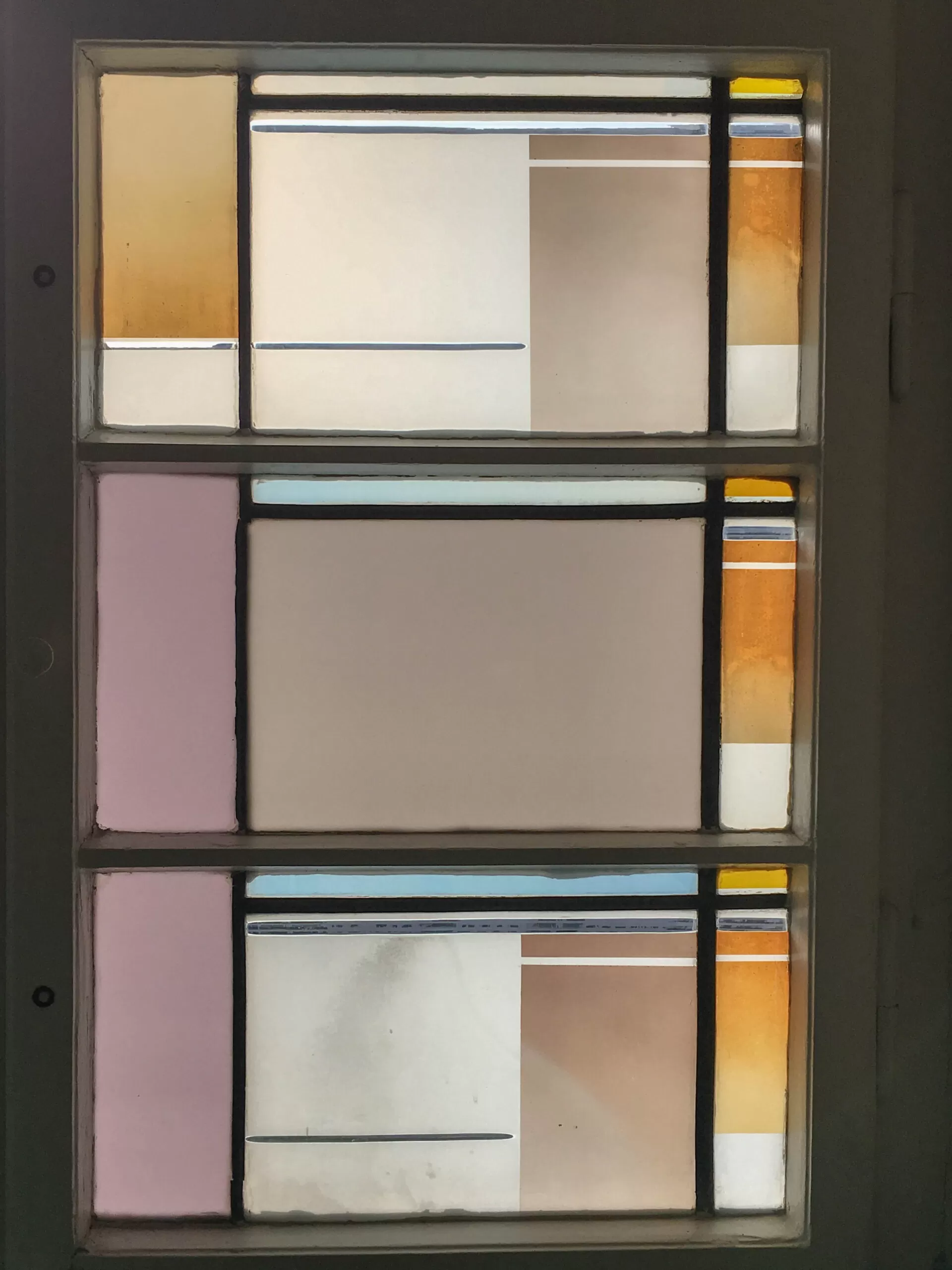
Femina-Palast, 1928-1931. Architects: Richard Bielenberg, Josef Moser. Photo: Daniela Christmann
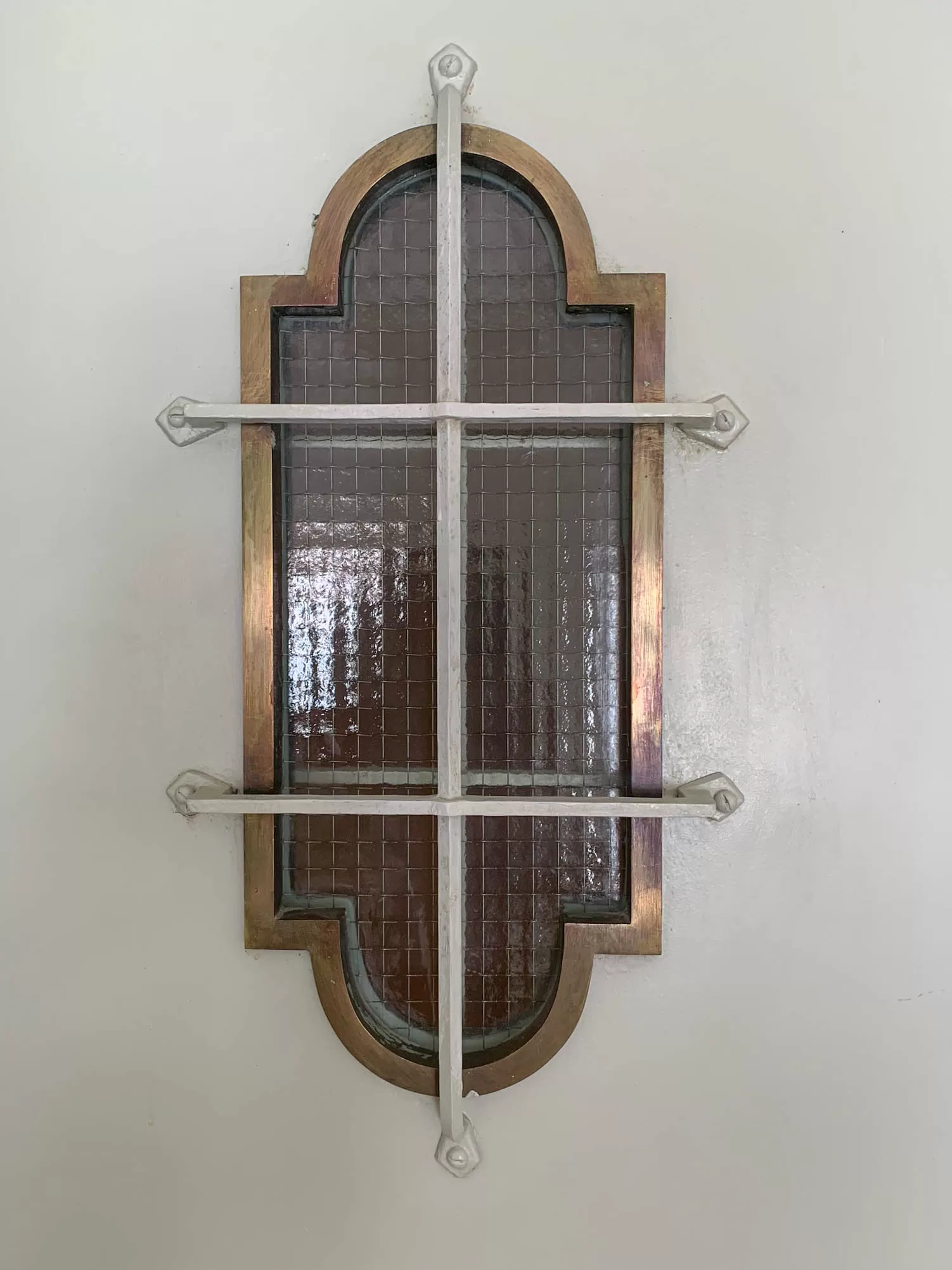
Femina-Palast, 1928-1931. Architects: Richard Bielenberg, Josef Moser. Photo: Daniela Christmann